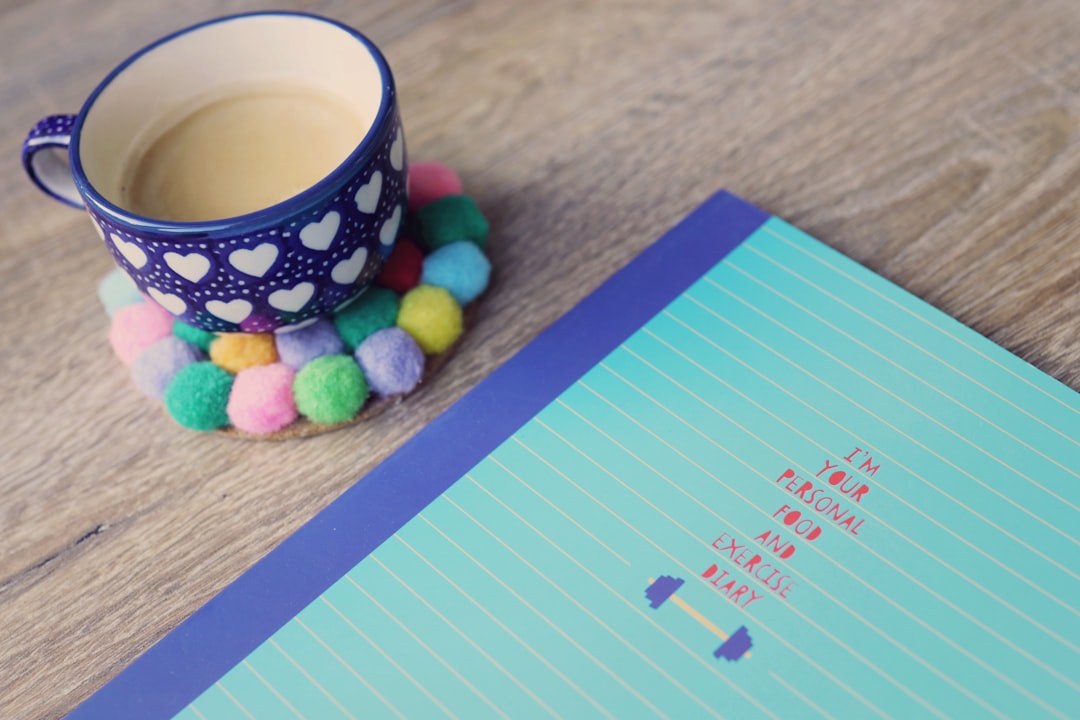
A good weekly workout plan does not start with random exercises. It starts with a clear target for how much work you can recover from, how often you can train, and which movement patterns deserve the most attention. This guide is built to help you answer the questions that shape almost every effective routine: how many exercises per workout, how many sets per week, and how many reps make sense for your goal. Use it as a repeat-check resource whenever your schedule, equipment, training age, or goal changes.
Overview
If workout planning feels confusing, the problem is usually not effort. It is structure. Many people either do too little to make steady progress or pile on so much volume that consistency breaks down. The simplest fix is to work backward from a few practical decisions:
- Your goal: strength, muscle growth, general fitness, fat loss support, or endurance support.
- Your experience level: beginner, intermediate, or advanced.
- Your training frequency: how many days per week you can realistically train.
- Your recovery capacity: sleep, stress, soreness, and lifestyle.
- Your equipment: gym, home gym, dumbbells, or bodyweight only.
From there, you can estimate a useful range for exercises, sets, and reps instead of guessing. A weekly workout plan works best when it is built around weekly volume, not just what happens in one session. In other words, a single workout matters less than the total amount of productive work you give each muscle group or movement pattern across the week.
For most readers, a solid starting point looks like this:
- Exercises per workout: 4 to 8
- Sets per exercise: 2 to 5
- Total hard sets per major muscle group per week: often around 6 to 20, depending on goal and experience
- Reps per set: lower for strength, moderate for muscle, broader ranges for general fitness
Those are ranges, not rules. A beginner doing three full-body workouts may grow well on the lower end. An advanced lifter specializing in a lagging muscle group may need more work. A fat loss workout plan may use moderate volume with enough intensity to preserve muscle while keeping recovery manageable.
The key is to avoid two common planning mistakes:
- Counting exercises but not counting effective sets. Three chest exercises done casually may be less useful than two chest exercises trained with purpose.
- Copying a split without checking weekly totals. A push-pull-legs routine and a full body workout can both work if weekly volume and effort make sense.
If you are still choosing a structure, see Full Body vs Upper Lower Split: Which Workout Plan Is Better for Your Goal? or Push Pull Legs Workout Split: Complete Guide for 3, 4, 5, and 6 Days per Week.
A simple planning formula
Use this order when building a weekly workout plan:
- Pick your training days.
- Choose your split.
- Assign priority muscle groups or movement patterns.
- Set weekly hard-set targets.
- Divide those sets across your sessions.
- Select exercises that fit your equipment and skill level.
- Assign rep ranges based on goal.
- Track performance for 4 to 8 weeks before making major changes.
What counts as a hard set?
For planning purposes, a hard set is a work set performed with focus and enough effort to challenge the target muscles or movement pattern. Warm-up sets do not usually count toward weekly volume. Easy sets far from meaningful effort may help with technique or movement practice, but they should not be the foundation of your planning.
Topic map
This section gives you a practical framework for deciding how many exercises, sets, and reps you need each week. Think of it as the hub of your programming decisions.
1. How many exercises per workout?
Most effective sessions include 4 to 8 exercises. The right number depends on session length, training goal, and whether you are doing full-body or split training.
Use fewer exercises if:
- You are focused on strength in big compound lifts
- You have limited time
- You are a beginner learning technique
- You want to keep effort high and tracking simple
Use more exercises if:
- You are training for hypertrophy and want more muscle-specific work
- You are using a split that isolates fewer muscle groups per session
- You need accessories to address weak points
- You are training at home and need creative exercise variation
Typical examples:
- Beginner full body workout: 4 to 6 exercises
- Intermediate upper-body session: 5 to 7 exercises
- Advanced bodybuilding-style session: 6 to 8 exercises
A useful rule is to center each workout around 1 to 3 primary lifts, then add 2 to 5 supporting movements. If you are unsure which lifts deserve that primary role, start with the basics in Best Compound Exercises by Goal: Strength, Muscle, Fat Loss, and Athletic Performance.
2. How many sets per week?
Weekly sets matter more than any single session. Instead of asking, “Did I do enough chest work today?” ask, “Did I accumulate enough quality chest work this week?”
General planning ranges per major muscle group:
- Beginner: around 6 to 10 hard sets per week
- Intermediate: around 10 to 16 hard sets per week
- Advanced: around 12 to 20 hard sets per week, sometimes more for priority areas
These ranges are not mandatory targets. They are useful planning lanes. Start at the lower end if you are newer, busy, in a calorie deficit, or adding cardio. Move upward only if performance, recovery, and consistency stay solid.
For movement patterns, think in categories:
- Squat or knee-dominant work
- Hip hinge work
- Horizontal push
- Vertical push
- Horizontal pull
- Vertical pull
- Core and trunk stability
- Optional single-leg, arm, calf, and shoulder isolation work
This approach is especially helpful in home workouts, where you may not have a full list of machines and cables but still need balanced training.
3. How many reps for muscle growth, strength, or general fitness?
Rep ranges are tools, not identities. You do not need one magic number. You need a range that fits the exercise and the goal.
Common rep ranges:
- Strength: often 3 to 6 reps on primary compound lifts
- Muscle growth: often 6 to 15 reps, with some useful work above or below that range
- General fitness: often 6 to 15 reps for resistance training, depending on exercise choice
- Muscular endurance: often 12 or more reps, especially for lighter accessory or bodyweight exercises
In practice:
- Use lower reps for technically stable compound lifts when strength is the priority.
- Use moderate reps for most muscle building workouts.
- Use higher reps for isolation work, bodyweight exercises, and lower-load home training.
If your question is specifically how many reps for muscle growth, the practical answer is that moderate rep ranges are easy to recover from, easy to progress, and suit many exercises. But muscle growth is driven by enough effort, enough weekly volume, and consistent progression—not a single rep target.
4. Match volume to your goal
For strength training:
- Use fewer exercises per session
- Keep primary lifts early in the workout
- Use more sets on key lifts, fewer on accessories
- Let technique quality guide volume
For muscle building workouts:
- Use moderate to higher weekly volume
- Train each muscle group 2 or more times per week when possible
- Mix compound and isolation work
- Track performance closely
For weight loss exercises and fat loss support:
- Keep enough strength training volume to preserve muscle
- Do not chase exhaustion for its own sake
- Add cardio in a way that does not ruin lifting performance
- Favor sustainable weekly structure over extreme single sessions
For beginners:
- Use fewer exercises and repeat them often
- Prioritize movement quality
- Add volume gradually only after consistency improves
Related subtopics
Weekly planning gets easier when you connect volume targets to the rest of your program design. These related topics help you turn the framework into a working routine.
Choosing the right split
Your split controls how weekly sets are distributed. A full body workout usually spreads volume across 3 or 4 days, while an upper-lower or push-pull-legs split lets you place more work for specific muscle groups in each session. If your schedule changes often, full body plans are usually easier to keep balanced. If you like longer sessions and more exercise variety, split training may feel more natural.
Read: Full Body vs Upper Lower Split: Which Workout Plan Is Better for Your Goal?
Read: Push Pull Legs Workout Split: Complete Guide for 3, 4, 5, and 6 Days per Week
Exercise selection by goal
How many exercises per workout depends partly on what those exercises are. Compound lifts create more total stimulus per set, while isolation movements let you add local volume without the same systemic fatigue. A weekly workout plan built on squats, hinges, rows, presses, lunges, pull-ups, and carries may need fewer total exercises than a physique-focused routine with several machine or dumbbell accessories.
Read: Best Compound Exercises by Goal: Strength, Muscle, Fat Loss, and Athletic Performance
Progression matters more than novelty
A common mistake in workout planning is swapping exercises too often. If you want to know whether 10 weekly sets worked, you need enough consistency to compare performance over time. Keep your main lifts stable long enough to see whether reps, load, control, or range of motion improve.
Read: Exercise Progression Guide: How to Make Bodyweight, Dumbbell, and Barbell Moves Harder
Read: Top 10 Bodyweight Exercises and How to Progress Them
Home workouts need the same logic
Limited equipment does not remove the need for planning. It only changes your tools. If you train at home, you may use higher reps, unilateral work, slower tempos, pauses, or exercise progressions to make moderate weekly volume effective.
Read: Designing a Weekly Home Fitness Program That Actually Sticks
Read: No-Equipment Strength Routine: Build Muscle Without a Gym
Balancing cardio and lifting
If your weekly plan includes cardio, total recovery matters even more. A heavy lower-body day plus hard endurance training plus poor sleep can turn a reasonable lifting plan into an excessive one. Keep the whole week in view.
Read: Combining Cardio and Strength at Home for Effective Weight Loss
Mobility and recovery support the plan
Volume only helps if you can recover and repeat it. Short mobility routines, smart warm-ups, and manageable exercise selection often improve training quality more than adding another set ever will.
Read: Mobility Mini-Routines You Can Do Daily in 10 Minutes
A quick reference by experience level
Beginners
- 3 days per week is often enough
- 4 to 6 exercises per workout
- 2 to 4 sets per exercise
- Mostly moderate reps
- Repeat the same core lifts often
Intermediates
- 3 to 5 training days per week
- 5 to 7 exercises per workout
- Mix lower-rep compounds and moderate-rep accessories
- Organize weekly volume more deliberately
Advanced trainees
- 4 to 6 training days per week if recovery supports it
- Higher specialization is possible
- Use volume strategically, not just aggressively
- Watch for stalled performance, joint irritation, or motivation drop
How to use this hub
If you want this guide to be practical, do not try to optimize every variable at once. Build your weekly workout plan in five steps.
Step 1: Pick a realistic schedule
Choose the number of training days you can keep for at least the next month. A plan you can repeat beats a theoretically perfect routine you miss every week.
- 2 to 3 days: full body works well
- 4 days: full body or upper-lower split
- 5 to 6 days: upper-lower variation, push-pull-legs, or specialization setup
Step 2: Set weekly priorities
Decide what you are trying to improve first. Examples:
- Build a stronger squat and bench
- Add muscle to back and shoulders
- Maintain muscle during fat loss
- Improve general conditioning without losing strength
Your priority areas can receive more weekly sets. Maintenance areas usually need less.
Step 3: Allocate weekly sets
Assign a rough target to each major area. Keep it simple. For example:
- Quads: 8 to 12 sets
- Hamstrings and glutes: 8 to 12 sets
- Chest: 8 to 12 sets
- Back: 10 to 14 sets
- Shoulders: 6 to 10 sets
- Arms: 4 to 8 sets if directly trained
- Core: 4 to 8 sets
These are planning examples, not mandatory numbers. Reduce volume if you are newer, detrained, or in a demanding life phase.
Step 4: Fill workouts with the fewest effective exercises
Start with the exercises that do the most work. Then add only the accessories you need. A simple full-body session might include:
- Squat variation
- Hip hinge variation
- Horizontal press
- Row or pull-down variation
- Single-leg or overhead press accessory
- Core work
That is already enough for many people. More exercises are not automatically better.
Step 5: Keep the plan steady long enough to judge it
Run the plan for several weeks. Track:
- Loads used
- Reps achieved
- Session length
- Soreness and fatigue
- Motivation to train
If performance improves and recovery feels acceptable, your current volume is probably workable. If every workout drags, soreness lingers, or your lifts stall quickly, reduce total sets before blaming exercise selection.
A sample weekly workout plan builder
Goal: general muscle and strength
Schedule: 4 days per week
Split: upper-lower
Lower Day 1
- Squat: 3 to 4 sets of 5 to 8
- Romanian deadlift: 3 sets of 6 to 10
- Lunge or split squat: 2 to 3 sets of 8 to 12
- Calf raise: 2 to 3 sets of 10 to 15
- Core: 2 to 3 sets
Upper Day 1
- Bench press or push-up progression: 3 to 4 sets of 5 to 8
- Row: 3 to 4 sets of 6 to 10
- Overhead press: 2 to 3 sets of 6 to 10
- Pull-up or pulldown: 2 to 3 sets of 6 to 12
- Optional arms: 2 sets each
Lower Day 2
- Deadlift or hinge variation: 3 sets of 4 to 6
- Front squat or leg press variation: 3 sets of 6 to 10
- Hamstring curl or bridge variation: 2 to 3 sets of 8 to 12
- Single-leg work: 2 sets of 8 to 12
- Core: 2 to 3 sets
Upper Day 2
- Incline press or dip progression: 3 sets of 6 to 10
- Chest-supported row or cable row: 3 sets of 8 to 12
- Lateral raise: 2 to 3 sets of 10 to 15
- Vertical pull: 2 to 3 sets of 8 to 12
- Optional arms: 2 to 3 sets each
This is not the only good plan. It is an example of how to distribute weekly sets without overcomplicating things.
If you are brand new, start even simpler and consider A Beginner’s Roadmap: From First Push-Up to a Solid Strength Base.
When to revisit
Revisit this hub whenever one of the inputs behind your training changes. Your best weekly volume is not fixed forever. It shifts with your goal, schedule, recovery, and equipment.
Update your plan when:
- You change from fat loss to muscle gain, or the reverse
- You move from home workouts to gym training
- You add or remove cardio
- Your available training days change
- A lift stalls for several weeks despite good effort
- You feel run down, sore all the time, or unusually unmotivated
- You stop progressing because the plan has become too easy
- You want to specialize in one area, such as legs, back, or shoulders
Ask these questions before adding more volume:
- Am I sleeping enough to recover?
- Am I repeating the same exercises long enough to measure progress?
- Am I training hard enough within my current sets?
- Am I eating in a way that matches my goal?
- Would better exercise order or technique fix the issue before more sets would?
Ask these questions before cutting volume:
- Is the plan actually too much, or am I just inconsistent?
- Have I added too much intensity and cardio at the same time?
- Are session lengths forcing rushed or low-quality work?
- Would removing low-value accessory exercises solve the problem?
The most useful action you can take today is to write down your current weekly set totals, compare them to your goal and recovery, and simplify where needed. If your plan feels messy, trim it to the lifts that matter most, assign clear weekly volume targets, and run that version consistently. Good programming usually looks more repeatable than impressive.