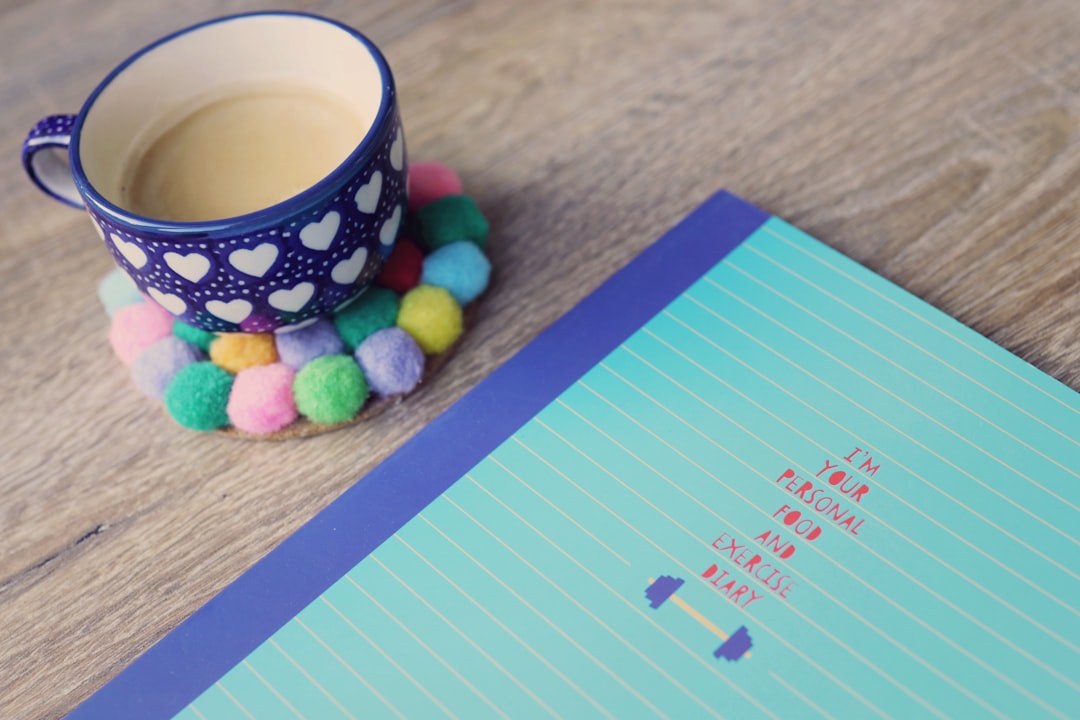
A great home fitness program is not the one that looks most intense on paper. It is the one you can repeat on a normal Tuesday, after work, when your energy is average and your motivation is not perfect. The best plans win because they are realistic, progressive, and built around your actual life—not around an ideal schedule that only exists in theory. If you want a plan that lasts, think like a coach: define the goal, limit the friction, and make each workout easy to start.
This guide will show you how to build a weekly schedule that balances workout routines, recovery, and habit triggers so you can keep training without burning out. You will also get sample templates for different experience levels, practical rules for structured progression, and a simple way to fit in a daily discipline routine without turning exercise into another source of stress. For busy people, the goal is consistency first, perfection second.
1. Start With the Real Goal, Not the Ideal Routine
Choose one primary outcome for the next 8–12 weeks
Most programs fail because they try to chase everything at once. If your real goal is fat loss, your weekly home fitness program should emphasize energy expenditure, adherence, and a manageable amount of strength work. If your goal is muscle tone or strength, you need a plan that includes enough resistance stimulus and a clear progressive overload plan. If mobility and pain-free movement are the priority, then your schedule should make room for mobility exercises and lower-intensity work before piling on conditioning.
Pick one primary outcome and one secondary outcome, then let the schedule reflect that. For example, a strength-first beginner might train three days per week and add two short walking or mobility sessions. A fat-loss focused intermediate could use four sessions with two strength days and two energy-supported workout days that include brisk intervals or circuits. This decision is what keeps the week coherent instead of random.
Match your schedule to your recovery budget
Recovery is not a luxury; it is what makes training effective. If you sleep poorly, work long hours, or care for kids, your body may only tolerate a few truly demanding sessions each week. Research consistently shows that total training stress matters, but so does recovery capacity, especially when you are trying to build a habit rather than peak for competition. The simplest rule is this: the busier or more stressed your life is, the fewer high-fatigue workouts you should schedule.
A realistic plan is often 3–5 training days per week, with hard days separated by easier ones. That might sound conservative, but a plan you complete beats an ambitious plan you abandon. To protect your consistency, think in terms of a weekly rhythm instead of a rigid checklist. If life gets chaotic, you can still keep the pattern alive by reducing the session length rather than skipping entirely.
Use a “minimum effective dose” mindset
The minimum effective dose is the smallest amount of training that still moves you forward. This is especially helpful for home workouts, where time and equipment are limited. A 20 minute workout can be enough to maintain momentum, improve work capacity, and support body composition when it is repeated consistently. It is also easier to recover from, which makes it ideal for building trust in your own schedule.
For a deeper framework on balancing practicality and consistency, you may also find value in Best Practices for Conscious Shopping in Times of Economic Uncertainty-style planning logic: choose a system you can sustain, not one that merely impresses people on day one. The same idea applies to training. Sustainable is better than heroic.
2. Build Your Week Around Training Priorities
Strength, conditioning, and mobility each need a role
Every effective weekly home fitness program should answer three questions: What are we training? How hard? How often? Strength work develops muscle, joint resilience, and metabolic benefits. Conditioning supports heart health and fat loss. Mobility work improves movement quality, recovery, and pain tolerance. If your week ignores one of these elements completely, the overall plan becomes lopsided.
A common mistake is doing too much cardio and too little resistance work, especially with high-efficiency “quick burn” thinking that promises results without structure. Another mistake is doing hard workouts every day because shorter sessions feel harmless. In reality, recovery needs are cumulative. A plan that alternates focus tends to stick better than one that asks for maximum effort on every day of the week.
Use hard, medium, and easy days on purpose
A weekly schedule works best when not every workout feels the same. Hard days might include progressive strength training, squat patterns, push patterns, and posterior chain work. Medium days can be short circuits, skill practice, or moderate cardio. Easy days are where mobility exercises, walking, and light core work live. This pattern prevents fatigue from piling up and makes the week feel manageable.
For example, a Monday hard session, Wednesday medium session, and Friday hard session can be paired with Tuesday and Saturday mobility or low-intensity work. That gives your body time to recover while keeping the habit alive most days. If you prefer 20 minute workout sessions, distribute them so the harder efforts are followed by lighter ones rather than stacked back-to-back.
Let your equipment shape the plan, not the other way around
Home fitness works because it simplifies setup. You do not need a perfect garage gym to get results; you need a repeatable plan that fits your tools. A no equipment workout can absolutely build fitness, especially for beginners, but it should still follow progression rules. As your confidence grows, adding a resistance band, backpack, or adjustable dumbbell opens the door to more loading options and better long-term adaptation.
When selecting gear, it helps to think like a smart buyer instead of a collector. Articles like Stacking smartphone deals and conscious shopping may seem unrelated, but the underlying lesson is the same: buy what you will use repeatedly. In fitness, the best equipment is the tool that removes friction and supports adherence.
| Weekly Setup | Best For | Typical Sessions | Recovery Load | Progression Style |
|---|---|---|---|---|
| 3-Day Full Body | Beginners, busy people | 3 strength sessions | Low to moderate | Add reps, then load |
| 4-Day Upper/Lower | Intermediate strength goals | 4 structured sessions | Moderate | Increase sets, load, or tempo |
| 5-Day Hybrid | Fat loss and fitness | 3 training + 2 conditioning/mobility | Moderate to high | Volume and density progression |
| Micro-Session Plan | Very busy schedules | 10–20 min daily | Low per session | Consistency before intensity |
| Mobility-First Plan | Stiffness, pain management, older adults | 2–3 strength + 2–4 mobility | Low | Range, control, then load |
3. The Anatomy of a Sticking Weekly Schedule
Anchor workouts to fixed events
Habit science is simple in theory and tricky in practice: behaviors stick when they are tied to reliable cues. Instead of “I’ll work out when I have time,” create a trigger. For example, train right after your morning coffee, immediately after you shut your laptop, or before your shower. Those small anchors reduce decision fatigue, which is often the real reason people miss workouts.
You can also use location and transition cues. Keep your mat visible, your bands by the door, and your training clothes in one place. The visual reminder lowers the activation energy to begin. If you want a deeper mindset framework for consistency, the principles in time-smart mindfulness translate well: protect your energy by designing around friction points instead of relying on willpower.
Keep the “start cost” tiny
The most effective adherence trick is to make the first two minutes ridiculously easy. Put on your shoes, set a timer, and begin with a single warm-up movement. Often, starting is the hardest part; once you are moving, continuing feels natural. This is why a 20 minute workout can outperform a 60 minute plan you keep postponing.
For beginners, the plan can be as simple as “warm up, do five exercises, stop.” For intermediate users, it may be “complete the main lift, then decide if the accessory work is worth it.” Either way, the schedule should reward showing up rather than punishing imperfect execution. That mindset makes home workouts far more repeatable.
Use habit stacking for your weekly rhythm
Habit stacking means linking the workout to something you already do automatically. For example: after school drop-off, after the workday calendar closeout, or after dinner cleanup. One practical advantage is that it reduces the need to negotiate with yourself every day. The sequence becomes part of the routine, not a separate task fighting for attention.
When the stack is stable, your body begins to expect training at a certain time. That expectation matters because consistency builds identity. You stop thinking of exercise as a random event and start seeing it as “what I do on Tuesdays and Thursdays.” That shift is powerful, especially for people who have failed with overly ambitious workout routines in the past.
4. Sample Weekly Templates by Experience Level
Beginner workout plan: 3 days, full-body, low friction
If you are new to structured exercise, the goal is to learn movement patterns, not to destroy yourself. A beginner workout plan should be simple enough that technique quality stays high. Three full-body sessions per week is usually enough to build confidence, strength, and a foundation for future progression. Keep sessions in the 20–35 minute range and avoid excessive soreness by leaving a bit of effort in reserve.
Sample week: Monday strength, Wednesday strength, Friday strength, with Tuesday and Saturday mobility exercises or walking. Each strength day can include squat, push, hinge, pull, and core. Bodyweight exercises, a chair, and a backpack are enough to start. If you are unsure where to begin, pairing this approach with a simple tutorial framework helps you stay organized and track progress.
Intermediate plan: 4 days, upper/lower split
Once you can train consistently, the next step is usually more volume and better exercise selection. An intermediate schedule often works well as upper/lower split training across four days. This allows more targeted work per muscle group and gives you enough exposure to progress one or two lifts without crowding the week. You can still keep the sessions home-friendly with dumbbells, bands, or bodyweight progressions.
Sample week: Monday upper body, Tuesday lower body, Thursday upper body, Saturday lower body. On Wednesday or Sunday, add a light mobility or walking session. This kind of structure is useful when your goal is muscle tone or strength because it supports repeatable overload. For food support around these workouts, ideas from endurance fueling strategies can help you think more intentionally about pre- and post-workout meals.
Advanced home plan: 5 days, hybrid strength and conditioning
If you already train regularly, your challenge is not just doing more—it is managing fatigue intelligently. A five-day hybrid program can combine three hard training days with two conditioning or mobility-focused days. This structure works well for people who want performance, body composition, and athleticism without turning every session into a maximal effort. It also protects recovery better than five straight hard lifting days.
Sample week: Monday lower strength, Tuesday conditioning, Wednesday upper strength, Thursday mobility and core, Friday full-body strength, Saturday optional intervals or sport work, Sunday off. Use your home equipment intelligently and resist the urge to add random exercises just because they feel new. If you’re interested in how creators turn systems into practical products, the same logic shows up in From Screens to Classrooms: good structure scales better than improvisation.
5. Progressive Overload at Home Without Burning Out
Progress can come from more than weight
A progressive overload plan does not require heavy equipment, but it does require intention. You can progress by adding repetitions, slowing tempo, increasing range of motion, adding sets, reducing rest, or making leverage harder. This is good news for home training because it gives you many paths forward even with limited gear. The key is to change one variable at a time so you know what is actually working.
For example, if you do push-ups for three sets of eight, next week you might aim for three sets of nine. When that becomes easy, you could move to feet-elevated push-ups or add a backpack. The same principle applies to squats, hinges, rows, planks, and lunges. Progress is a process, not a guess.
Track performance with simple benchmarks
Tracking can be as basic as a notebook or phone note. Write down the exercise, reps, sets, and perceived effort. If your repetitions improve over time at the same or slightly higher effort, that is progress. If you repeatedly stall, the issue may be recovery, exercise selection, or unrealistic weekly volume.
This is where people often overcomplicate things, similar to how new tech buyers can get distracted by specs rather than usefulness. Articles like spec-led buying guides show that the useful question is not “What sounds impressive?” but “What fits the real use case?” In training, the usable question is: “Can I do this week after week and still improve?”
Deload before the wheels come off
One of the smartest long-term habits is scheduling easier weeks before you are forced to take them. Every 4–8 weeks, reduce volume or intensity for several days. This helps manage joint stress, mental fatigue, and life stress all at once. Many people quit not because the program is too hard in one session, but because the cumulative effect becomes unbearable.
Deloading is especially important in home training, where the lines between work, family, and exercise can blur. A lighter week keeps the habit alive and prepares you for the next cycle. In other words, recovery is not the enemy of discipline; it is part of discipline.
6. Recovery Strategies That Make Consistency Easier
Sleep, hydration, and movement matter more than gimmicks
Recovery starts with the basics. Sleep affects motivation, appetite regulation, and exercise performance more than most supplements or hacks. Hydration supports energy and perceived effort. Low-intensity movement, such as walking or gentle mobility work, helps you feel better without adding much fatigue. If those three pillars are in place, your home fitness program becomes easier to sustain.
When energy is low, the answer is often not to skip the week, but to scale intelligently. Swap a hard strength workout for a moderate circuit. Replace intervals with a brisk walk. Keep the same time slot so the habit stays intact. That way, you continue acting like the kind of person who trains, even if the session is lighter than planned.
Manage soreness so it does not break the routine
DOMS, or delayed-onset muscle soreness, can make new exercisers think they are “doing it right,” but excessive soreness is not the goal. A good beginner workout plan should challenge you without making daily movement miserable. If you are too sore to climb stairs or sit comfortably, your program is probably too aggressive. Scale back volume, use slower progression, and spread stress across the week.
Mobility and walking often help soreness more than complete inactivity. Gentle movement increases blood flow and reduces stiffness. This is why mobility exercises are not just for flexibility—they are a practical recovery tool that helps the next workout feel better.
Recover like a planner, not a hero
Good training plans anticipate life disruptions. If you know Thursday is always chaotic, do not schedule your hardest workout there. If weekends are unpredictable, make one session optional and one session essential. This reduces all-or-nothing thinking, which is one of the biggest threats to adherence. A flexible structure is not a weak structure; it is a robust one.
If you like thinking in systems, this is similar to how strong operations teams build resilience. In the same way that spike planning protects a website during demand surges, recovery planning protects your training during life surges. The principle is the same: expect variability and plan for it.
7. The Best No-Equipment Workout Frameworks for Busy Weeks
Use movement patterns, not random exercises
A no equipment workout can be surprisingly effective if it covers the major movement patterns: squat, hinge, push, pull, lunge, carry, rotate, and brace. For home training, pulling can be the hardest to replicate without equipment, so use table rows, towel rows, doorway rows, or backpack rows when safe. When that is not possible, emphasize scapular control and isometric holds to maintain balance.
One reason bodyweight routines work is that they are scalable. A push-up can be regressed to incline push-ups or progressed to tempo push-ups and one-arm variations. Squats can become split squats, pause squats, or jump squats depending on the goal. This makes the program adaptable without needing a full gym.
Sample 20 minute workout for general fitness
Here is a simple template for a busy day: 3-minute warm-up, then 4 rounds of 40 seconds work and 20 seconds rest for squats, push-ups, hip hinges, alternating lunges, and planks. Finish with a two-minute cool-down and breathing reset. This creates a dense session without wasting time, and it is easy to repeat weekly.
If you want variety, rotate in mobility exercises between strength days. For example, hip openers, thoracic rotations, calf mobility, and shoulder circles can help you move better and recover faster. You can also use a short walking break after each meal on non-training days to keep the habit alive without formal exercise fatigue.
How to avoid the “random workout” trap
Randomness feels fresh, but it usually slows progress. If every week is different, you have no reliable way to compare performance. Instead, keep the same core exercises for 4–6 weeks and make small improvements. That gives you a clearer signal about what your body is adapting to.
The same lesson appears in many other fields: structure beats novelty when you need repeatability. Whether you are organizing a schedule, an online business, or a training cycle, a clear system saves mental energy. Your fitness plan should feel easy to resume because it is built on familiar parts.
8. Sample Weekly Schedules You Can Copy Today
Beginner sample: three-day full-body template
Monday: 20–30 minute full-body strength session. Wednesday: 20 minute workout with bodyweight strength and core. Friday: full-body session with slightly more volume than Monday. Tuesday and Saturday: 10–20 minutes of mobility exercises or walking. Sunday: full rest or very light recovery.
This template works because it is simple and repeatable. It gives you frequent practice without overwhelming recovery. It also leaves room to learn form, which is crucial early on when technique, confidence, and consistency matter most.
Intermediate sample: four-day upper/lower template
Monday: upper body push and pull. Tuesday: lower body strength. Thursday: upper body with more accessory work. Saturday: lower body with unilateral work and core. Wednesday and Sunday: mobility or easy cardio. If you want to improve body composition, keep rest times honest and track weekly progression.
To support adherence, keep the workouts at the same time each week and use the same warm-up sequence. You can borrow scheduling discipline from unexpectedly relevant planning models like family scheduling systems, where fixed anchors and realistic pacing make consistency much easier.
Advanced sample: five-day hybrid schedule
Monday: lower body strength. Tuesday: intervals or conditioning. Wednesday: upper body strength. Thursday: mobility and core. Friday: full-body hypertrophy or power. Saturday: optional sport, hike, or zone 2 cardio. Sunday: off. This structure gives advanced trainees more weekly exposure while still respecting fatigue.
At this level, success depends on restraint. Not every day should be a grind. If your plan becomes too intense, consistency drops and form breaks down. A strong program is not just hard—it is survivable.
9. Common Mistakes That Make Home Programs Fail
Planning too many sessions for your real life
The first failure point is simple: overcommitting. People write down six workout days because that sounds “serious,” then miss two sessions in week one and feel discouraged. A more conservative plan that you actually complete creates a positive feedback loop. Once momentum exists, you can add volume later.
This is why many people do better with a smaller weekly target and a built-in backup plan. For instance, if you miss your long session, do a short version. That keeps the streak alive and avoids the psychological collapse that happens after a missed day.
Confusing soreness with effectiveness
Another common mistake is assuming you need to be exhausted to make progress. In reality, well-designed workout routines create adaptation through repeated, manageable stress. Severe soreness can interfere with the next session and undermine adherence. Aim for enough challenge to drive progress, not so much that you dread the next workout.
This is especially true for beginners. The best beginner workout plan is the one that teaches consistency, movement quality, and confidence. If your early experience is excessively painful, you are more likely to quit.
Ignoring mobility until pain shows up
Mobility is often treated like a bonus, but it should be part of the weekly design. When you sit a lot, train hard, or accumulate stress, your tissues and joints need movement variety. Even five to ten minutes of mobility exercises can improve your readiness and reduce stiffness. Think of them as maintenance rather than a separate hobby.
A good weekly home fitness program makes space for movement quality before the body starts complaining. That proactive mindset is what keeps people training for years, not weeks.
10. How to Make the Program Stick for the Long Term
Review the week every Sunday
Consistency improves when you reflect, not when you just repeat. Spend five minutes each Sunday asking three questions: What worked? What caused friction? What needs to change next week? This keeps your schedule aligned with reality instead of drifting into guesswork. If a session consistently gets missed, move it, shorten it, or simplify it.
This kind of review also helps you spot whether your weekly load is appropriate. If you are crushing every workout, the plan may be too easy. If you are constantly skipping, it is too hard or too complicated. Small corrections make a huge difference over time.
Make the plan visible and easy to follow
Keep your weekly schedule where you can see it. A note on the fridge, a calendar reminder, or a phone checklist all work. The point is to remove uncertainty. When the next step is obvious, starting becomes much easier.
People who stick with home workouts often have one thing in common: they do not rely on memory. They rely on systems. That simple operational idea is what makes training repeatable even in a busy season.
Celebrate adherence, not just performance
Finally, reward yourself for showing up. The habit itself deserves recognition. Whether that means checking off the calendar, telling a friend, or logging your session, the brain benefits from acknowledging completion. Over time, this creates a stronger identity around exercise.
A sustainable home fitness program is not built on motivation spikes. It is built on clarity, low friction, sensible progression, and a weekly rhythm that fits real life. When you design for consistency first, the results follow.
Pro Tip: If you can only commit to one rule, make it this: never miss twice. One missed workout is life; two missed workouts become a pattern. Protect the pattern.
FAQ
How many days per week should a home fitness program include?
For most people, 3 to 5 days is the sweet spot. Beginners often do best with 3 full-body sessions, while intermediates can move to 4 days and advanced trainees may use 5 days with lighter recovery work included.
Can a 20 minute workout really be effective?
Yes, especially if it is repeated consistently and built around the right movement patterns. A 20 minute workout can improve strength, conditioning, and adherence when the program is structured and progressively challenging.
What is the best no equipment workout for beginners?
A simple full-body routine using squats, incline or regular push-ups, hip hinges, lunges, planks, and rows using household items is a strong starting point. The key is to keep the plan repeatable and gradually increase reps or difficulty.
How do I apply progressive overload at home?
You can add reps, sets, tempo, range of motion, or reduce rest time. You can also make exercises harder by changing leverage or using a backpack, band, or dumbbell if available. Track the changes so you know what is improving.
How much mobility work should I do each week?
Most people benefit from 2 to 4 short mobility sessions per week, plus a few minutes in the warm-up before training. If you sit a lot or feel stiff, a little daily mobility can make a noticeable difference.
What should I do if I keep missing workouts?
Reduce the number of planned sessions, shorten them, and attach them to a stronger habit trigger. You may also need to move the workouts to a less stressful time of day. The goal is to make success easier, not to punish yourself with a more complicated plan.
Related Reading
- Endurance Fuel with Asian Foods - Practical meal ideas to support training and recovery.
- Time-Smart Mindfulness - Helpful if your biggest obstacle is energy management.
- Step-by-Step Technical Guide - A useful framework for organizing any repeatable process.
- Best Practices for Conscious Shopping - Smart decision-making under constraints.
- Scale for Spikes - A systems-thinking guide that parallels recovery planning.