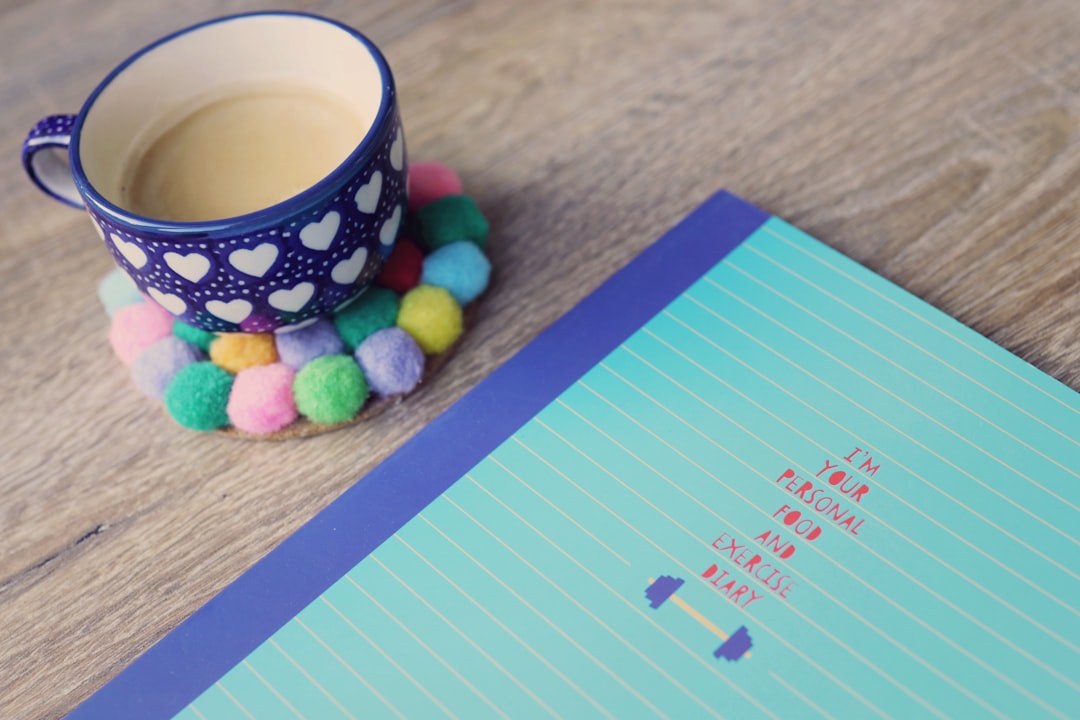
If you want a 20 minute workout that actually builds strength, the good news is you do not need a garage gym, fancy machines, or an hour-long split to get results. What you do need is a smart structure, exercises that let you progress over time, and a way to make light equipment or bodyweight feel challenging enough to drive adaptation. This guide shows you exactly how to do that with practical home training gear choices, simple tempo techniques, and repeatable at-home setups that remove friction and help you stay consistent. If you also care about building a routine that fits real life, the same planning mindset behind a solid usage-based plan applies here: track what actually happens, then improve the system.
We will cover how to build strength in short sessions, how to choose the right bodyweight and minimal-equipment exercises, and how to apply progressive overload without needing heavy weights every day. You will also get examples of complete routines, a progression table, coaching cues, and a FAQ so you can start training today with confidence. For people who have struggled to stay consistent, this kind of structure can be as useful as the habit-support ideas in automation-first systems or the commitment tools discussed in email and SMS alert strategies: remove decision fatigue and make the next workout obvious.
Why 20 Minutes Is Enough to Build Strength
Strength is driven by effort, not just duration
One of the biggest myths in fitness is that effective strength training must be long to matter. In reality, muscle and strength respond to mechanical tension, proximity to failure, progressive overload, and consistency over time. A well-built strength training routine can be highly productive in 20 minutes if each set is challenging, the exercises are well chosen, and you are not wasting time between movements. This is why a focused routine often beats an unplanned 45-minute session filled with low-quality effort.
In practical terms, the best short sessions use compound patterns like squats, push-ups, hinges, rows, carries, lunges, planks, and bridges. These train multiple muscles at once and create the dense training stimulus needed for improvement. If you are also interested in efficiency outside the gym, think of it like the difference between high-ROI workflows and busywork: you want the smallest amount of effort that still moves the needle.
Short workouts work best when they are structured
Random exercise is not the same as training. A 20-minute session should have a clear goal, a clear order, and a measurable way to progress. That may mean a circuit, alternating supersets, timed density blocks, or a simple EMOM format where you begin a new set every minute. The structure matters because it reduces wasted time and keeps effort high enough to build strength.
This approach also mirrors how smart decision-making works in other fields: you define the target, then you create a simple system to reach it. Just as people compare options in market saturation analysis before buying into a trend, you should compare training methods based on whether they help you progress, recover, and repeat. In fitness, the best plan is not the most complicated one; it is the one you can execute three times a week.
What you can realistically expect
If you train 3 to 5 times per week with progressive overload, a 20-minute home program can improve muscular endurance, increase beginner and intermediate strength, support recomposition, and raise your work capacity. If you are a true beginner, you may also build visible muscle tone with bodyweight exercises alone for quite some time. More advanced trainees may eventually need added load, but even they can use 20-minute sessions to maintain strength, drive hypertrophy, or supplement heavier training days.
For the sake of expectation-setting, think long term. The body responds to repeated stimulus, not heroic single workouts. That is why a realistic progression plan matters more than a perfect one-off session, much like how the most useful guides in search strategy are the ones that align content structure with actual user needs.
The Training Principles That Make Short Home Workouts Effective
Use compound movement patterns
A 20-minute workout needs exercises that deliver the most adaptation per minute. Build around five basic patterns: squat, hinge, push, pull, and brace or carry. When equipment is limited, the “pull” pattern can be handled with resistance bands, towel rows, backpack rows, or table rows if safe. These patterns collectively cover the major muscles of the body and create a balanced stimulus.
Here is the simple rule: if an exercise only hits one small area and takes setup time, it may not belong in your main 20-minute block. Save isolation work for later or use it as a short finisher. The emphasis on pattern coverage is similar to how smart product decisions start with core needs rather than flashy extras, like in product discovery for study materials.
Manipulate tempo to make light loads harder
Tempo is one of the most underused tools in home training. If you only have bodyweight or light dumbbells, slowing the lowering phase, adding pauses, or using one-and-a-half reps can make an exercise much more demanding. For example, a push-up with a 3-second lower and 1-second pause near the bottom can be dramatically harder than a fast rep, even if the total reps are lower. This helps create enough tension to stimulate strength even without heavy external load.
Tempo manipulation is especially useful when your environment is limited or inconsistent. Think of it the same way people use careful optimization in technical systems, like noise mitigation techniques or cache strategies under pressure: when resources are constrained, precision matters more than brute force. In training, tempo is precision.
Progress by changing one variable at a time
Progressive overload does not mean you must add weight every single session. You can progress by adding reps, slowing tempo, shortening rest, increasing range of motion, improving technique, or moving to a harder variation. The key is to choose one clear progression lever, track it, and keep the movement quality high. That is what makes a progressive overload plan work in the real world.
A common mistake is changing too many things at once. If you increase reps, reduce rest, and switch exercises all in the same week, you will not know what caused improvement or fatigue. The better strategy is to use one main progression for 2 to 4 weeks, then adjust. This is very similar to the measured approach used in delegated automation systems: small controlled changes outperform chaotic ones.
How to Build a 20-Minute Strength Workout at Home
Choose the right format
There are four especially effective formats for short home sessions: full-body circuits, alternating supersets, EMOMs, and density blocks. Circuits keep heart rate elevated and work well when time is tight. Alternating supersets, where you pair opposite movement patterns, often let you maintain better strength output because one muscle group rests while the other works. EMOMs are ideal when you want a hard cap on time and easy structure. Density blocks ask you to complete as many high-quality rounds as possible in a fixed window.
For most home trainees, alternating supersets or density blocks are the sweet spot. They preserve strength focus without making the workout feel rushed. If you like the idea of a routine that runs itself, the clarity here is similar to tools like automated alerts and micro-journeys: once the system is set, you just follow it.
Build around movement pairs
Pairing exercises is one of the easiest ways to fit more quality work into 20 minutes. A good pair might be squat plus row, push-up plus glute bridge, or split squat plus plank. The goal is to alternate complementary patterns so one movement does not interfere too much with the next. This also keeps the session balanced and avoids overloading the same joints repeatedly.
For example, if you do a hard set of push-ups, following immediately with a row variation gives the pressing muscles a brief recovery while you keep training. That is more efficient than performing two push exercises back to back. If you need equipment ideas that support this style of training, a simple pair of adjustable dumbbells or a strong resistance band can go a long way, much like choosing the right tools in budget equipment selection.
Use an effort target, not just a rep count
Strength work is usually most productive when sets stop with about 1 to 3 reps in reserve, especially for beginners and intermediates. That means the set feels hard, but form stays intact. If every set is easy, you are probably practicing movement rather than creating a training stimulus. If every set is a sloppy grind, recovery and technique may break down too quickly.
One helpful cue is to end a set when your final rep slows noticeably or your position starts to change. That simple rule keeps you honest and helps standardize effort across weeks. As with evaluating a purchase in stacked savings decisions, the best choice is not the maximum value at any cost; it is the best trade-off for your situation.
Best Exercises for a No-Equipment Strength Routine
Lower-body pushes and hinges
For lower body strength, the best no-equipment exercises are squats, split squats, reverse lunges, step-ups, single-leg Romanian deadlifts, hip bridges, and single-leg glute bridges. If you are advanced, use tempo, pauses, and unilateral work to make them difficult enough to matter. A split squat with a 3-second descent and a pause at the bottom can be brutally effective even without weights. The more stable the movement, the more you can focus on effort and control.
Lower-body training is especially important in short routines because the legs and glutes are large muscles that create a strong systemic training response. They also support daily movement, posture, and athletic performance. A little consistency here goes a long way, especially if you are trying to stay active with limited time, much like those using family-friendly outdoor activities instead of elaborate vacations.
Upper-body pushing and pulling
Push-ups remain one of the best home strength exercises because they are scalable and easy to progress. You can elevate your feet, slow the tempo, add pauses, increase range of motion using handles or books, or switch to close-grip and archer variations. For pulling, use resistance bands, backpack rows, towel rows, or a sturdy table row if you can do so safely. The missing pull pattern is the most common weakness in no-equipment programs, so plan for it deliberately.
If you want to make pushing and pulling more balanced, use a 1:1 ratio over the week. That means if you press hard three times per week, you should also row or pull three times per week. Balanced upper-body work reduces shoulder irritation and supports better posture. For footwear that helps with stable floor work, see the best gym shoes under $80, especially if you train on hard surfaces.
Core work that actually supports strength
Your core should do more than burn. In a strength-focused plan, core training should improve bracing, anti-extension, anti-rotation, and pelvic control. Excellent options include planks, dead bugs, hollow holds, side planks, bird dogs, and loaded carries with a backpack or dumbbells. These movements help transfer force between your upper and lower body, which matters for nearly every exercise you do.
Rather than chasing endless crunches, think about core training as skill practice for stabilizing the spine under load. That is why short, high-quality holds are often more effective than marathon ab circuits. If you are interested in the broader idea of structured skill building, the mindset resembles learning frameworks in well-designed upskilling programs: clear progression, repeatable practice, and feedback.
Three Complete 20-Minute Home Workouts That Build Strength
Workout A: No-equipment full body
Use a timer and complete the following as alternating supersets for 20 minutes. Pair A1 with A2, then rest as needed before repeating. Keep each set at a challenging effort with good form. This is ideal for beginners and for anyone traveling or training in a small space.
Block 1: A1 Push-up, 6 to 12 reps with a 3-second lower. A2 Split squat, 8 to 10 reps per side with a pause at the bottom. Block 2: B1 Pike push-up or incline push-up, 6 to 10 reps. B2 Glute bridge, 12 to 20 reps with a 2-second squeeze. Block 3: C1 Forearm plank, 20 to 40 seconds. C2 Reverse lunge, 8 to 10 reps per side.
Keep rotating through the blocks until time runs out. If you finish a round quickly, add a rep or slow the tempo the next round. If you need video guidance, pair this session with form references and community accountability ideas so your workout feels easier to repeat.
Workout B: Dumbbell or backpack strength
If you have a pair of dumbbells or a loaded backpack, you can make the workout more strength-biased. Start with a 4-minute warm-up, then use 3 rounds of 5-minute alternating sets. This workout is especially useful for people who have outgrown pure bodyweight movements but still want a compact at-home session.
Round structure: Goblet squat for 8 to 12 reps, one-arm row for 8 to 12 reps per side, floor press or weighted push-up for 6 to 10 reps, Romanian deadlift for 8 to 12 reps, then dead bug for 6 to 10 reps per side. Use controlled eccentrics and stop each set with one or two reps left in the tank. The goal is not speed; it is high-quality tension.
For shoppers who are figuring out whether a small investment is worth it, this is similar to deciding when a premium tool pays off. In fitness terms, the “premium” is often a modest weight jump that unlocks easier progression. If you want to improve comfort and stability during floor-based training, consider reading this shoe guide before buying.
Workout C: EMOM strength density
EMOM stands for “every minute on the minute.” You start a set at the beginning of each minute and rest for the remainder. This works well for short workouts because the structure is simple and the rest periods are automatic. It also naturally keeps intensity high without requiring a clock full of complicated intervals.
Try 20 minutes total: Minute 1 push-ups, Minute 2 squat variation, Minute 3 row or band pull-apart, Minute 4 hip hinge or glute bridge, Minute 5 plank, then repeat four times. Use a rep target that lets you finish each set in 20 to 35 seconds. The same logic of timed structure appears in business and content systems like live-feed strategy design: the schedule does part of the work for you.
A Simple Progressive Overload Plan for Home Training
Week 1 to 2: establish your baseline
In the first two weeks, do not chase dramatic numbers. Focus on finding the exercise versions and rep targets that let you maintain good form while still working hard. Record the number of reps, the tempo used, and how difficult each set felt. This gives you a baseline for the next phase and prevents accidental undertraining.
If you want to keep motivation high, treat this phase like a data-collection block. The habit is the victory at first, not the PR. That is also why systems like trend tracking tools are useful in other domains: they help you see what is changing instead of guessing.
Week 3 to 4: add one progression variable
Once you know your baseline, choose one upgrade. Add 1 to 2 reps per set, slow the tempo by one second on the eccentric, shorten rest by 10 to 15 seconds, or move to a harder variation. Do not increase everything at once. Small improvements compound quickly in a short routine because the workout is repeated often.
For example, if you started with incline push-ups for 8 reps, progress to 10 reps, then 12, then lower the incline. That is a cleaner and safer path than forcing an advanced variation too early. If you like structured decisions, the same logic shows up in first-order offer playbooks: one lever at a time is easier to optimize than a dozen moving parts.
Week 5 and beyond: rotate emphasis
After a month or so, you can rotate the focus of your 20-minute sessions. One block might emphasize lower body, another upper body, and another mixed conditioning with strength bias. This prevents boredom and keeps joints happy while still moving toward a bigger goal. It also gives you a natural place to test harder variations without abandoning the overall structure.
Think of it as training seasons. You might spend four weeks building push strength, then four weeks emphasizing single-leg work, then four weeks adding more loaded core work. That rotational strategy is more sustainable than trying to perfect every quality in every session. It is similar to choosing the right refresh cycle in other systems, like the lessons in upgrade timing.
How to Avoid the Most Common Home-Workout Mistakes
Going too easy to finish the timer
If you are always finishing workouts feeling fresh, the problem is probably not the program length; it is the challenge level. A strength-oriented session should contain sets that approach technical difficulty, not just cardiovascular fatigue. That means you may need harder exercise variations, slower tempo, or longer range of motion to make bodyweight work productive.
A good test is whether the last two reps of each set slow down. If they do not, make the exercise harder next time. This is the same principle as in high-stakes systems where too much slack creates weak outcomes, as discussed in security debt under growth pressure.
Using random exercises with no plan
Randomness feels energetic, but it often stalls progress. If every workout changes completely, you cannot build skill, measure improvement, or identify weak links. Keep the main structure stable for several weeks, then make targeted changes. Repetition is not boring when it is purposeful.
This is why useful systems rely on a stable framework. Even in fields outside fitness, the strongest workflows, like document accuracy optimization, depend on repeatable standards and corrections rather than constant reinvention.
Ignoring recovery and joint tolerance
Short workouts can still be demanding on tendons, joints, and connective tissue if you push too hard too often. Space your hard sessions so the same pattern is not maxed out every day. If your shoulders get irritated by push-ups, shift some volume to incline variations or floor presses. If your knees dislike high-rep lunges, reduce depth temporarily and rebuild.
The smartest training plan is one you can recover from. That is why your weekly schedule matters just as much as the workout itself. For a broader behavior-setup perspective, the same principle appears in step-by-step import checklists: avoid avoidable problems by designing the process well from the start.
Progression Table: How to Make a 20-Minute Workout Harder
| Progression lever | Example | Best for | Why it works |
|---|---|---|---|
| Add reps | Push-up 8 reps to 10 reps | Beginners and intermediates | Increases total work without changing the exercise |
| Slow tempo | 3-second lowering on split squats | Bodyweight-only training | Raises time under tension and control demand |
| Add pauses | 2-second pause at the bottom of a squat | Technique development | Removes momentum and forces position control |
| Shorten rest | Rest 45 seconds instead of 60 | Density-focused training | Increases workout density and challenge |
| Upgrade variation | Incline push-up to floor push-up | Long-term progression | Changes leverage so the movement becomes harder |
| Increase load | Add a backpack to squats and rows | Intermediate and advanced trainees | Directly raises mechanical tension |
| Increase range of motion | Deficit push-up on books or handles | Advanced bodyweight work | Lets the muscles work through a longer stretch |
| Reduce assistance | Less incline on push-ups | Scaling home workouts | Gradually shifts more bodyweight onto the target muscles |
Form Cues and Coaching Tips That Make a Big Difference
Keep tension where it belongs
In push-ups, brace the core, keep the body in a straight line, and lower under control. In squats and split squats, keep the whole foot grounded and avoid bouncing out of the bottom. In hinges and bridges, keep the ribs down and drive through the hips, not the low back. These cues make the movement safer and more effective.
Pro Tip: If you only change one thing this month, make the eccentric slower. Slowing the lowering phase is one of the easiest ways to make bodyweight work feel more “strength-like” without adding equipment.
Use the right breathing strategy
Breathe in during the easier phase and exhale through the effort or the sticking point. For bracing exercises, inhale before the rep, lock the torso, and then release the breath after the hardest part passes. Good breathing is not just about comfort; it supports spinal position and force transfer. Many people rush this and lose tension before the rep even starts.
A strong brace is one of the most transferable fitness skills you can learn. It improves not just lifting but also carrying, stair climbing, and athletic movement. If you want a broader sense of structured practice and feedback, the same mindset appears in mentored skill acquisition.
Record your sessions like a training log
Write down the exercise, variation, sets, reps, tempo, rest, and one short note about effort or pain. That makes it much easier to see when a workout is actually getting easier, harder, or more productive. A simple log beats memory every time. It also helps you avoid repeatedly guessing what to do next.
Logging workouts is the fitness equivalent of maintaining a clean workflow or smart purchase history. Systems built on review tend to improve faster, just as people use discount tracking to avoid overpaying and make better buying choices.
FAQ: 20-Minute Home Workouts and Strength Training
Can a 20-minute workout really build strength?
Yes, especially for beginners and intermediates, as long as the sets are challenging, the exercises are well chosen, and the plan progresses over time. Strength is built through repeated exposure to enough tension, not just long sessions. A 20-minute workout can absolutely provide that stimulus when the structure is deliberate.
How many times per week should I do these workouts?
Most people do well with 3 to 5 sessions per week, depending on recovery, experience, and total activity level. If you are new to training, 3 sessions may be enough to make excellent progress. If you are more advanced, you may use 4 to 5 shorter sessions to accumulate meaningful volume.
What if I have no equipment at all?
You can still make progress with bodyweight exercises by using unilateral movements, slow tempo, pauses, longer range of motion, and harder leverage angles. Push-up variations, split squats, single-leg bridges, planks, and lunges are enough for a solid no equipment workout. You do not need fancy gear to train seriously.
How do I know when to make an exercise harder?
If you can complete the top end of your rep range with good form and still have several reps left in reserve, it is probably time to progress. You can make it harder by increasing reps, slowing tempo, reducing rest, or moving to a more difficult variation. Progress should be noticeable but controlled.
Should I warm up even if the workout is short?
Yes. A 3- to 5-minute warm-up can improve movement quality and reduce the chance of discomfort. Use dynamic movements like marching, hip hinges, arm circles, squats, and scapular push-ups. The shorter the workout, the more important it is to enter it ready to train.
Do I need a full gym to follow a progressive overload plan?
No. A home program can progress very effectively with bodyweight, a backpack, resistance bands, or adjustable dumbbells. The main thing is not the gear itself but the ability to create increasing challenge over time. That is the heart of progressive overload.
Bottom Line: Keep It Short, Hard, and Repeatable
The best home workouts are not the ones that look impressive on paper. They are the ones you can repeat consistently, recover from, and progress over time. A 20 minute workout can build real strength when it uses compound movements, smart tempo, honest effort targets, and a simple progression system. That is especially true when you train at home and need a routine that fits busy days without requiring complicated equipment.
If you want to keep improving, start with one of the sample routines above, track your reps and tempo, and add one progression every 1 to 2 weeks. To make the process easier, explore more practical support with habit-style planning, reinforce your setup with simple home training tools, and keep your workouts grounded in the same efficiency mindset that drives strong results in other systems. For more movement ideas and scalable exercise videos, continue with the related reading below.
Related Reading
- The Automation-First Blueprint for a Profitable Side Business - A useful mindset piece on reducing friction and making consistency easier.
- The Real ROI of AI in Professional Workflows: Speed, Trust, and Fewer Rework Cycles - A sharp look at why efficient systems outperform chaotic effort.
- How to Build Pages That Win Both Rankings and AI Citations - Helpful if you want to understand how strong structure improves discoverability.
- Using Competitive Intelligence Like the Pros: Trend-Tracking Tools for Creators - Great for anyone who likes tracking progress and patterns over time.
- Create a 'Best Vibe' Running Meet: 5 Studio-Pro Strategies to Boost Attendance and Loyalty - A reminder that community and accountability can make training stick.