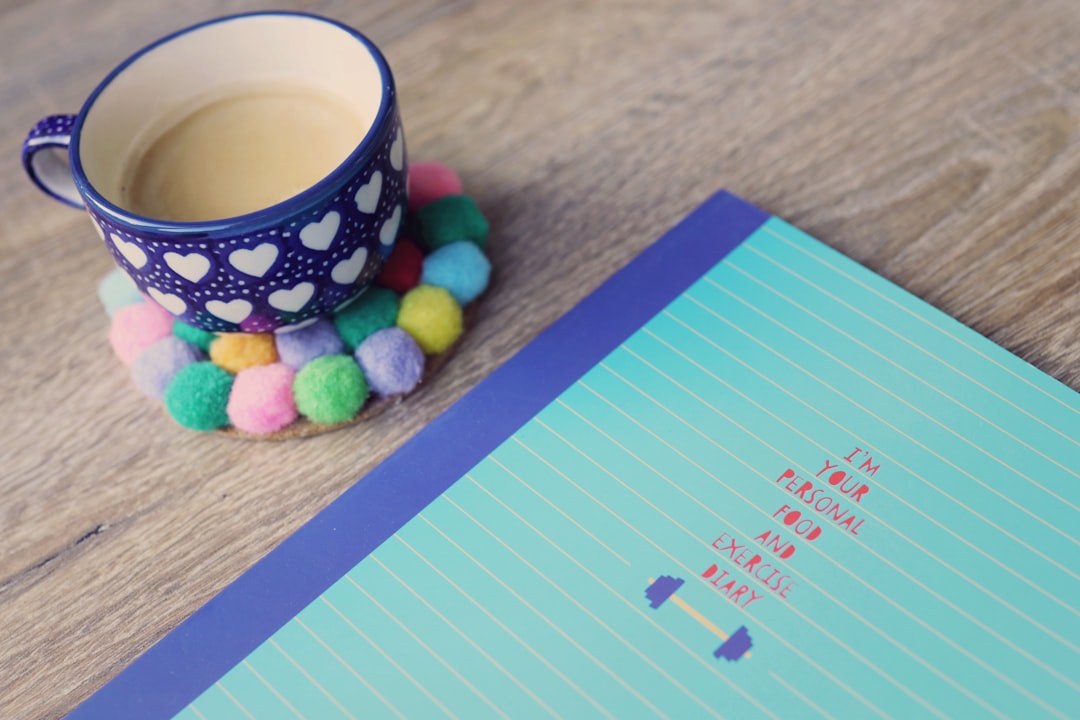
If you want a home fitness program that actually lasts, the answer is not more motivation—it is better design. A sustainable plan gives you structure without rigidity, progression without burnout, and enough flexibility to handle work, family, travel, and low-energy days. Think of it like turning big goals into weekly actions: the result comes from small, repeatable decisions that stack up over time.
This guide is a coach-style blueprint for a 12-week training block built around measurable milestones, a realistic progressive overload plan, recovery strategies, and templates you can adapt for fat loss, muscle gain, or general fitness. If you are looking for practical exercise videos and a clean structure for beginner workout plan ideas, you can use this framework to create a repeatable system instead of constantly restarting. For readers building a broader routine, our guide to workout routines and strength training routine progressions pairs well with the approach below.
1. Start With the Real Goal: Consistency, Not Perfection
Define what “successful” means before you pick exercises
Most home plans fail because they start with exercises, not outcomes. Before you choose sets and reps, define the purpose of the block: improve strength, lose body fat, build muscle tone, or simply become consistent with exercise. A sustainable plan should tell you what to do on good days, decent days, and rough days, because life will give you all three. This is where the plan becomes practical rather than aspirational.
Use three criteria to define success. First, decide on a frequency target, such as 3, 4, or 5 training days per week. Second, set an observable performance goal, such as adding 10 push-ups, increasing squat depth, or completing all planned sessions for 10 of 12 weeks. Third, define a recovery standard, like sleeping at least 7 hours on most nights or keeping soreness under control so the next session stays productive.
Choose the right starting point for your current capacity
A beginner should not train like someone returning from a 2-year layoff, and someone already active should not follow a bare-bones plan forever. The best home workouts match your current movement tolerance, available equipment, and schedule. If you are unsure where you fit, start with a conservative volume floor and build up slowly. That lowers the risk of injury and makes it easier to keep showing up.
For a structured approach to milestones and plan design, the logic in benchmarks that actually move the needle is surprisingly relevant: if a metric does not change behavior, it is not a useful benchmark. Apply that mindset to training by tracking only the numbers that affect action, such as sessions completed, reps performed, load used, range of motion, and energy levels.
Build a plan you can repeat after week 12
The most effective home plan is not a one-off challenge; it is a framework you can recycle. If a 12-week block ends in a dramatic crash, it was too aggressive. Instead, think in cycles: build, consolidate, test, and recover. The goal is to finish the block feeling better than when you started, not wrecked and eager to quit. That is why sustainability should be the headline feature of every training decision.
2. The 12-Week Structure: Three Phases That Build on Each Other
Weeks 1-4: Foundation and movement quality
The first phase should feel manageable. Use it to groove patterns, establish habits, and identify limitations without chasing exhaustion. This is the time for joint-friendly movements, controlled tempo, and moderate total volume. If your form is not yet stable, this phase should be even more conservative.
A good foundation phase may include 2-4 sets per movement, mostly in the 6-12 rep range, with 1-3 reps left in reserve. Use this period to collect honest feedback from your body. Are your knees tolerating split squats? Do your shoulders like incline push-ups? Can you hinge without back discomfort? The answers shape the rest of the block.
Weeks 5-8: Progressive overload and capacity building
Once movement quality is reliable, progress the workload gradually. You can increase repetitions, add a set, shorten rest periods, slow the tempo, or make the movement harder. This is the classic phase where the progressive overload plan becomes visible. Progress should be measurable but not dramatic, because the body adapts best to steady challenge.
For home fitness, one of the best ways to progress is to keep the exercise the same while improving one variable at a time. For example, if you start with bodyweight squats, you might add a backpack, increase pause time at the bottom, or move to Bulgarian split squats. That is the same principle behind thoughtful product comparison guides like what the lululemon patent ruling means for athletic gear innovation: small design changes can create big differences in performance and value.
Weeks 9-12: Intensification and testing
The final phase should consolidate gains and provide proof that the plan worked. Keep volume slightly lower than the middle phase while increasing challenge through harder variations, higher quality reps, or benchmark tests. If you do this well, week 12 becomes a celebration of progress instead of a desperate attempt to make up for lost time.
Testing does not have to mean a max-out lift. It can mean a rep test, a timed circuit, a mobility benchmark, or simply comparing week 1 and week 12 performance on the same movements. This approach keeps you grounded in actual data and helps you decide what to do next. If you prefer a more structured progression model, our article on coaching templates for weekly action is a useful companion.
3. The Exercise Menu: Build the Plan Around Movement Patterns
Push, pull, squat, hinge, carry, and core
Every strong strength training routine at home should include the major movement patterns. Push exercises include push-ups, incline push-ups, pike push-ups, and dumbbell floor presses. Pull exercises include rows, band pull-aparts, towel rows, and assisted pull-up progressions if you have a bar. Squats and hinges build your lower body, while carries and core work reinforce trunk stability and posture.
For example, a simple session might include goblet squats, push-ups, one-arm rows, Romanian deadlifts, side planks, and farmer carries. That combination covers the body from multiple angles and creates a balanced training effect. If you need visual guidance, pairing the plan with exercise videos can help you lock in form before adding load or complexity.
Choose variations that fit your current level
The right exercise is the one that you can perform with good control for the intended rep range. Beginners should favor stable positions and simple patterns before advancing to unilateral or explosive work. Intermediate trainees can benefit from split stances, tempo work, and loaded carries. Advanced trainees may use harder progressions, higher density, and more precise fatigue management.
To make that easier, here is a practical comparison table you can use when building a home plan.
| Movement Pattern | Beginner Option | Intermediate Option | Advanced Option | Best Home Equipment |
|---|---|---|---|---|
| Push | Incline push-up | Standard push-up | Feet-elevated push-up | Bench, couch, floor |
| Pull | Band row | One-arm dumbbell row | Chest-supported or tempo row | Resistance band, dumbbell |
| Squat | Chair squat | Goblet squat | Bulgarian split squat | Chair, dumbbell, backpack |
| Hinge | Hip hinge drill | Romanian deadlift | Single-leg RDL | Dumbbell, kettlebell, backpack |
| Core | Dead bug | Plank variations | Hollow body hold or loaded anti-rotation | Mat, band, light weight |
Use the minimum effective dose first
More is not always better, especially when your schedule is limited. Start with the smallest amount of work that still creates adaptation, then add only when recovery and performance stay stable. This protects motivation because each workout feels achievable, not like a punishment. It also reduces the chance that joint irritation or general fatigue will force you to restart.
When in doubt, choose two lower-body patterns, two upper-body patterns, one core drill, and one conditioning element per session. That structure is simple enough to follow yet complete enough to drive results. For a broader perspective on creating resilient systems, the same logic appears in lessons from corporate resilience: durability usually comes from sensible margins, not heroic overreach.
4. Weekly Schedule Templates for Different Starting Points
Template A: Beginner, 3 days per week
If you are new to structured training, a 3-day schedule is often the best entry point. It gives you enough frequency to improve while leaving enough space to recover, learn technique, and manage real life. A simple pattern is full-body training on Monday, Wednesday, and Friday, with walking or mobility work on off-days. That keeps the habit fresh without overwhelming your calendar.
Each workout can include one squat pattern, one push, one pull, one hinge or bridge, and one core drill. Start with 2 sets per exercise for the first two weeks, then move to 3 sets if you are recovering well. If the session feels too easy, resist the urge to add lots of extra work immediately; just progress one variable at a time.
Template B: Busy intermediate, 4 days per week
A 4-day upper/lower split often works well for people who want more progress without turning exercise into a part-time job. Upper days can emphasize push/pull balance, while lower days can alternate squat-dominant and hinge-dominant work. This split makes it easier to train with purpose because each session has a clear identity.
For example: Monday upper, Tuesday lower, Thursday upper, Saturday lower. That rhythm also leaves buffers between hard sessions, which helps with soreness and performance. On especially stressful weeks, you can trim each workout to 30-35 minutes and maintain the habit without losing the training thread.
Template C: Fat loss or conditioning focus, 5 days per week
If your main goal is body composition, you may benefit from 3 strength sessions and 2 low-impact conditioning days. The strength work preserves muscle, while the conditioning raises weekly energy expenditure and supports work capacity. Keep conditioning mostly moderate rather than brutal so it does not sabotage recovery. The goal is to accumulate work, not to win every workout.
You can rotate brisk walking, cycling, shadow boxing, step-ups, or low-impact circuits. This structure is also where consistency matters most, because a string of moderately hard sessions usually beats one exhausting session followed by three missed days. If you need a more event-like mindset to stay engaged, retention strategies offer an interesting parallel: people return when the next session feels clear, rewarding, and not too difficult to resume.
5. Progressive Overload at Home: The Safest Way to Keep Improving
How to progress without fancy equipment
Progressive overload does not require a fully stocked gym. At home, you can progress by adding reps, adding sets, reducing rest, increasing range of motion, slowing the eccentric phase, adding pauses, using unilateral variations, or increasing external load with dumbbells or a backpack. The key is to keep progress small enough that technique stays intact. If form breaks down, the overload has become too aggressive.
A practical rule is to progress one main variable every 1-2 weeks, not all at once. For example, if you add reps this week, hold load steady and keep the same movement tempo. When you reach the top of your rep range with solid technique, move to a harder version or increase resistance modestly. That keeps the plan logical and prevents random session-to-session guessing.
Use repetition ranges that match your goal
For general fitness and muscle tone, many home trainees do well with 6-15 reps on major movements and 10-20 reps on accessories. Strength-focused work may sit closer to 4-8 reps on compound patterns, while bodyweight skill work may use lower reps with higher control. Choose the range that lets you train hard without turning every set into a grind. Hard training should feel focused, not chaotic.
It also helps to keep a training log. Write down exercises, sets, reps, load, and how difficult each set felt. If you want a more business-like way to think about progression and accountability, consider the logic in benchmarking systems and compare your current output against past output rather than against other people. The comparison that matters most is you versus you, last month.
Know when not to progress
Not every week should be harder than the last. If sleep is poor, stress is high, or joints feel cranky, maintain the current workload or reduce it slightly. That is not failure; it is intelligent load management. Consistency over 12 weeks is more valuable than a single heroic week followed by a setback.
One of the best habits you can build is leaving 1-3 reps in reserve on most sets. That gives you enough stimulus to improve while leaving a buffer for safe technique and repeatability. It is also one of the easiest ways to keep the plan sustainable for busy adults who cannot afford to be crushed after every workout.
6. Recovery Strategies That Make the Program Sustainable
Sleep, hydration, and nutrition are part of the plan
Recovery is not what happens after training; it is what makes training effective. Sleep supports tissue repair, nervous system recovery, and appetite regulation. Hydration helps performance, especially if you are sweating during circuits or conditioning work. Nutrition matters too, particularly adequate protein and total calories appropriate for your goal.
If fat loss is the objective, keep the deficit moderate so you can still perform. If muscle gain is the objective, avoid undereating so aggressively that training quality collapses. In both cases, a reliable routine beats perfection. Small improvements in sleep timing, protein intake, and meal consistency often produce better results than constantly changing the workout itself.
Mobility and injury prevention stretches belong on both sides of the workout
Many people treat warm-ups and cool-downs as optional. In reality, a brief sequence of mobility and activation work can dramatically improve how well the main session feels. Use dynamic movements before training and gentle injury prevention stretches after or on off-days. Focus on areas that commonly get tight in home programs: hips, thoracic spine, calves, chest, and lats.
A good pre-session sequence might include marching, hip openers, arm circles, glute bridges, and a few controlled bodyweight reps of your first lift. After training, use slow breathing, hamstring stretches, hip flexor holds, and pec doorway stretches. For more ideas on safe movement and presentation, the mindset in safe alternatives to extreme looksmaxxing maps well to fitness: aim for sustainable improvements, not harsh shortcuts.
Deload before fatigue forces a break
A deload is a planned reduction in training stress, usually by lowering sets, reps, or load for about one week. In a 12-week plan, one lighter week around week 4 or week 8 can keep progress moving while preventing accumulated fatigue from becoming a problem. Many people think they need to push through every week, but the smarter move is to back off before the body does it for you.
Use the deload as a reset, not a regression. Keep movement patterns in place, but reduce intensity and finish sessions feeling fresher than usual. You will often return the next week with better performance, better technique, and more desire to train.
7. Milestones and Tracking: How to Know the Plan Is Working
Track leading indicators, not just the scale
The scale is only one data point, and for many people it is the least useful one day-to-day. Better leading indicators include workout completion, rep performance, range of motion, resting heart rate trends, waist measurements, and perceived energy. If your plan improves these metrics, body composition and fitness usually follow. The trick is to measure enough to guide action without turning training into a spreadsheet obsession.
At the start of the block, record baseline results for 5 to 8 simple tests. Good options include max incline push-ups, plank hold time, bodyweight squat repetitions, a 1-mile walk time, or a 5-minute step-up test. Repeat those benchmarks in week 6 and week 12 so you can see whether the plan is truly delivering.
Use milestone checkpoints every 4 weeks
Each phase should end with a checkpoint. At week 4, assess form and adherence. At week 8, assess workload tolerance and whether progression feels too easy or too hard. At week 12, assess outcomes and decide whether to repeat, advance, or pivot. These checkpoints help you avoid the common mistake of grinding for months without evaluating whether the direction is right.
This mirrors the practical logic of auditing an online appraisal: if you do not inspect the assumptions, you can mistake rough estimates for truth. Training works the same way. A good coach checks the numbers, checks the form, and adjusts the plan before small issues become big ones.
Keep a simple scorecard
Use a weekly scorecard with four lines: sessions completed, average energy, soreness level, and one performance win. If those four metrics trend in the right direction, the plan is sustainable. If completion is dropping, soreness is always high, or motivation is collapsing, the program is too demanding or too complicated. That feedback is often more valuable than a fancy app.
For additional structure, a library of home workouts can help you choose swap-ins when equipment or time changes. The more flexible your template, the less likely you are to abandon the entire block when one session goes sideways.
8. Templates You Can Use Immediately
Template 1: Beginner full-body home program
Train 3 days per week. Each session: squat pattern, push pattern, pull pattern, hinge or bridge, core, and optional easy conditioning. Start with 2 sets in week 1, move to 3 sets by week 3 if recovery is good, and keep reps mostly in the 8-12 range. Use exercise variations that allow crisp form and no joint irritation.
Example week: Monday chair squats, incline push-ups, band rows, glute bridges, dead bugs; Wednesday goblet squats, dumbbell floor press, one-arm rows, hip hinges, side planks; Friday split squats, push-ups, band pull-aparts, Romanian deadlifts, carries. This is a strong beginner workout plan because it is simple, repeatable, and easy to progress.
Template 2: Strength-first home program
Train 4 days per week with upper/lower split. Use heavier loading where possible, longer rests, and 4-8 reps on main lifts. Add accessory work in the 8-15 rep range. Keep total exercise count modest so you can devote energy to quality rather than volume for its own sake.
Progress by adding load only when all reps look clean. If equipment is limited, use unilateral versions, slower tempo, or pauses to increase difficulty. For readers comparing equipment choices and upgrade paths, the value-focused perspective in upgrade decision frameworks is useful: don’t buy complexity you won’t use.
Template 3: Fat-loss and conditioning program
Train 5 days per week: 3 strength sessions and 2 conditioning sessions. Keep strength sessions short and crisp, and make conditioning mostly low impact or moderate intensity. This protects your joints while still creating enough weekly activity to support fat loss. Add walking on most days if possible, because the easiest calories to burn are often the ones burned outside formal workouts.
When the schedule gets messy, use a minimum viable version: 20 minutes, 4 movements, 2 rounds, done. That keeps the habit alive. In many cases, adherence beats optimization, especially when the alternative is skipping the session entirely.
9. Common Mistakes That Kill Sustainability
Doing too much too soon
The fastest way to sabotage a home program is to turn week 1 into week 12. People often start with excessive volume, too many exercises, and ambitious conditioning that their current fitness level cannot support. The result is soreness, fatigue, and lost confidence. A better approach is to win week 1 by making it feel almost too easy.
Remember that adaptation happens between sessions, not just during them. If you are always too sore to train well, the load is too high. Your program should challenge you while still leaving enough reserve to show up again on schedule.
Ignoring pain signals and confusing them with normal effort
Training discomfort is not the same as joint pain or nerve symptoms. Mild muscle fatigue is expected; sharp pain, catching, swelling, or radiating symptoms are not. If an exercise consistently causes issues, modify the range of motion, change the variation, or remove it temporarily. Good programming respects the body’s feedback.
That is why prevention matters more than heroic recovery. Simple mobility work, better warm-ups, and gradual progression can reduce irritation before it starts. The best program is the one you can sustain long enough to produce results without needing a long layoff.
Chasing novelty instead of progression
It is tempting to swap exercises every week because variety feels productive. In reality, constant novelty makes it hard to measure whether you are improving. Keep the main lifts stable for the whole 12-week block so you can compare apples to apples. A little variety is fine, but the foundation should stay consistent.
If you need inspiration without chaos, use a stable plan and vary only the accessories or conditioning method. That way, your body keeps progressing and your brain stays engaged. The plan remains fresh enough to maintain interest, but structured enough to produce data you can trust.
10. How to Finish the 12 Weeks and What to Do Next
Review the data, then choose your next block
At the end of 12 weeks, do not guess whether the plan worked. Compare your baseline tests, training log, body measurements, and subjective notes. Ask three questions: What improved? What stalled? What felt easiest to maintain? The answers should guide your next phase, not your emotions from the final week.
If strength improved and recovery stayed manageable, you can run a new block with slightly higher load or complexity. If adherence was great but results were modest, the issue may be exercise selection, nutrition, or insufficient progression. If you struggled to stay consistent, reduce complexity before increasing difficulty. The best next step is the one that removes friction.
Repeat, refine, or specialize
Most people should repeat a successful structure at least once before chasing a different philosophy. Repetition builds skill, confidence, and data quality. Once the template works, you can specialize toward hypertrophy, endurance, mobility, or sport-specific preparation. But the 12-week block should leave you better equipped to train, not more confused.
If you want to keep the momentum going, store your notes in a reusable format and treat the next block as an upgraded version of the current one. The same principle shows up in systems thinking and planning across many fields: consistency beats reinvention when the goal is durable progress. That is the real power of a sustainable home fitness program.
Pro Tip: If you can only control three things, control workout frequency, progression tracking, and sleep. Those three habits will do more for your results than changing exercises every week.
Frequently Asked Questions
How many days per week should a home fitness program include?
Most people do well with 3 to 5 training days per week. Beginners usually benefit from 3 full-body sessions, while intermediate trainees often prefer 4 days split between upper and lower body. If your schedule is hectic, 3 days is enough to make strong progress as long as you stay consistent. The best frequency is the one you can repeat for 12 weeks without constantly missing sessions.
How do I make a progressive overload plan without heavy weights?
You can increase reps, sets, range of motion, tempo, pauses, or use harder unilateral variations. You can also shorten rest times or add a backpack, dumbbells, or resistance bands. The key is to change one main variable at a time so you can tell what is working. Progress should be small, measurable, and sustainable.
What is the best beginner workout plan for home?
The best beginner plan is simple full-body training three times per week with a squat, push, pull, hinge, and core movement each session. Start with 2 sets per exercise and use controlled reps with good form. Choose easier variations, leave a few reps in reserve, and build gradually. This approach improves confidence while reducing injury risk.
How do I know if I need a deload week?
If your performance drops for more than a few sessions, soreness stays unusually high, sleep quality worsens, or motivation crashes, a deload can help. In a 12-week block, a lighter week around week 4 or week 8 is often enough to restore momentum. A deload is not laziness; it is planned recovery that keeps the long game on track.
What should I do if I miss workouts for a week?
Do not restart from zero. Resume with the next planned session and reduce volume slightly for the first week back if needed. Missing a week does not erase progress, but it does make overcompensation tempting. The smartest move is to get back into rhythm quickly and avoid trying to make up every missed set at once.
Do I need special equipment for effective home workouts?
No. You can build a very effective plan with bodyweight exercise, a resistance band, and a pair of dumbbells or a backpack. More equipment can add variety and loading options, but it is not required to get stronger, leaner, or fitter. The real driver is a good plan executed consistently.
Related Reading
- Build a $200 Weekend Entertainment Bundle - Stretch your budget while still getting tools and gear that support your training lifestyle.
- What the lululemon Patent Ruling Means for Athletic Gear Innovation - Learn how product design choices influence comfort, durability, and performance.
- Looksmaxxing 101: Safe Cosmetic Upgrades That Actually Improve Your Look and Confidence - A practical look at improvement without extremes.
- Navigating Sports Streaming: How to Utilize Promo Codes Effectively - Useful for fitness fans who like to follow live sport and plan around viewing costs.
- Retention Hacking for Streamers - An interesting systems-based lens on keeping people engaged over time.