This six-week walking plan gives you practical duration, frequency, step, and pace targets for walking-based weight loss, plus simple ways to add strength training, manage recovery, and adjust the schedule when life gets in the way.
Overview
Walking can support weight loss by increasing daily activity without requiring complex equipment or advanced exercise skills. The most useful plan is one you can repeat consistently, then gradually make more challenging. Walking alone does not guarantee fat loss: body weight also responds to food intake, sleep, stress, medications, health conditions, and individual energy needs. Treat this schedule as a starting framework rather than a promise of a specific result.
The plan uses three adjustable measures:
- Duration: the length of each intentional walk.
- Frequency: how many walking sessions you complete each week.
- Intensity: how easy or brisk the walk feels.
A brisk pace usually feels purposeful while still allowing you to speak in short sentences. If you are breathing too hard to talk comfortably, slow down. Step counts are useful for tracking trends, but they are not a universal prescription. Stride length, terrain, height, fitness, and device accuracy all affect the number recorded. Use your usual daily average as a baseline and focus on gradual progress.
Six-week walking plan
| Week | Sessions | Walking target | Step target | Pace and terrain | Rest and strength |
|---|---|---|---|---|---|
| 1 | 4 | 20–25 minutes | Baseline plus about 1,000 steps on walking days | Mostly easy; add 5 minutes at a purposeful pace | At least 2 easier or rest days |
| 2 | 4–5 | 25–30 minutes | Baseline plus about 1,500 steps | Include 8–10 minutes of brisk walking | Optional light full-body strength once or twice |
| 3 | 5 | 30–35 minutes | Baseline plus about 2,000 steps | Use two short brisk intervals of 5 minutes | Keep one complete rest day |
| 4 | 5 | 35–40 minutes | Baseline plus about 2,500 steps | Add a gentle hill or incline if joints feel good | Strength training on nonconsecutive days |
| 5 | 5–6 | 40–45 minutes | Baseline plus about 3,000 steps | Complete 15–20 minutes at a brisk, controlled pace | Use one low-activity recovery day |
| 6 | 5–6 | 45–50 minutes | Choose a sustainable weekly average | One longer walk; optional gentle hills or intervals | Continue strength training and schedule recovery |
These targets are intentionally flexible. If you currently do very little walking, repeat a week before progressing or begin with 10-minute sessions. If you already walk regularly, increase the brisk portion or add modest duration rather than chasing an arbitrary step number. A missed session does not require compensation; simply resume with the next planned walk.
Checklist by scenario
If you are new to exercise
- Start on level, predictable routes with easy access to water and restrooms if needed.
- Wear comfortable footwear and begin with five minutes at an easy pace.
- Use short sessions, such as two 10-minute walks, if one continuous walk feels difficult.
- Progress only when the current week feels manageable during the walk and later that day.
If you already meet a daily step routine
- Establish a seven-day average rather than treating one unusually active day as your normal.
- Add purposeful brisk walking two or three times per week.
- Use hills, a longer route, or a short interval block instead of continually adding steps.
- Track how your legs, feet, and sleep respond before increasing volume again.
If you have limited time
- Schedule three 10-minute walks around meals, commuting, or work breaks.
- Make one walk brisk and keep the others comfortable.
- Keep a pair of walking shoes ready so the decision requires less effort.
If you want to combine walking with strength training
Add two short, full-body sessions each week using movements such as a squat variation, hip hinge, push, pull, and core exercise. Keep the first sessions controlled rather than exhausting. Walking supports activity and conditioning, while strength training can help you maintain useful muscle as your body weight changes. For exercise demonstrations and progression ideas, see this beginner full-body workout plan and the strength exercise form guide.
What to double-check
Your pace
Do not rely on a single speed displayed by a watch or phone. Use effort as well as numbers. Easy walking should feel sustainable; brisk walking should feel purposeful but controlled. Heat, hills, wind, fatigue, and uneven surfaces can make the same speed feel harder on another day.
Your step data
Wearables can miss steps, count movement inconsistently, or differ from one another. Record the same device in a similar position and compare weekly patterns rather than obsessing over daily precision. A step target should increase activity without making you ignore pain or recovery.
Your nutrition habits
Walking can contribute to an energy deficit, but estimating calories burned is imprecise and can encourage accidental overeating. Build meals around foods you enjoy, include a reliable protein source, and pay attention to portions, drinks, and unplanned snacks. If you want a starting estimate for daily calorie needs, use the TDEE calculator, then treat the result as an estimate to test against real-world progress.
Your recovery and symptoms
Persistent foot, knee, hip, or back pain is a reason to reduce volume and seek qualified medical or exercise guidance. Stop and seek prompt medical care for severe symptoms such as chest pain, fainting, or unusual shortness of breath. People with significant health conditions, recent surgery, or pregnancy-related concerns should ask a clinician how to modify the plan.
Common mistakes
- Starting with a large step goal: A dramatic jump can make soreness or fatigue the limiting factor. Begin near your current routine and build gradually.
- Walking hard every day: Most sessions can be easy. Reserve brisk efforts for selected days and keep recovery days genuinely easier.
- Expecting the scale to change immediately: Body weight can fluctuate for reasons unrelated to fat loss. Review a multi-week trend alongside waist measurements, clothing fit, energy, and adherence.
- Eating back every estimated exercise calorie: Device calorie estimates are not precise enough to require full replacement. Let hunger, performance, and longer-term results guide adjustments.
- Ignoring strength training: Walking is valuable, but a small amount of progressive resistance exercise creates a more balanced weight-management routine. Dumbbells or bodyweight movements can work at home; browse this dumbbell exercise reference for options.
- Turning a missed week into failure: Resume at the last comfortable level, or repeat the previous week. Consistency over months matters more than a perfect six-week streak.
Simple tracking template
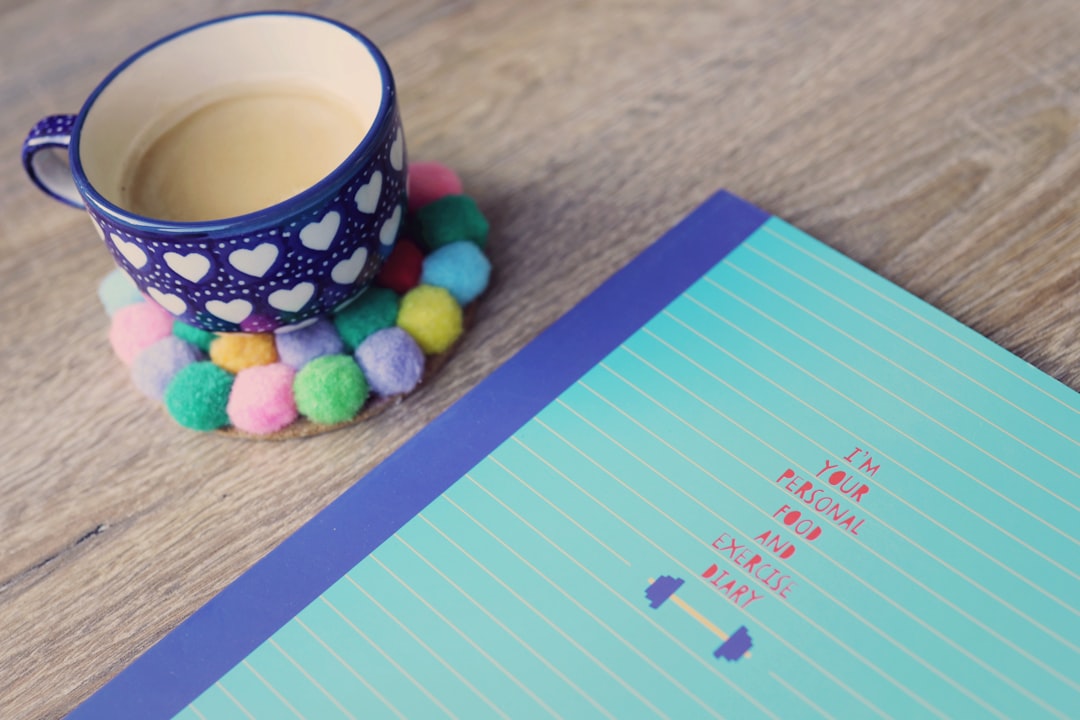
At the end of each day, record: planned minutes, completed minutes, total steps, perceived effort from easy to hard, and any pain or unusual fatigue. At the end of each week, note your average steps, number of brisk sessions, strength sessions, and one adjustment for the following week. This makes the plan responsive instead of rigid.
When to revisit
Review the plan at the end of each week, before changing duration or intensity, and whenever your schedule, footwear, route, health, or recovery changes. Repeat a week if you completed less than about three-quarters of the target, if normal walks feel unusually difficult, or if soreness lasts into the next session. Move forward when the current workload feels repeatable and your recovery is good.
After six weeks, choose the next step: maintain the routine, extend one weekly walk, add a controlled interval session, or begin a walk-run progression such as the eight-week Couch to 5K plan. Recheck nutrition assumptions with a TDEE and macro calculator if your body weight, activity, or goal has changed. Most importantly, keep the version you can perform consistently through busy weeks, changing seasons, and ordinary setbacks.