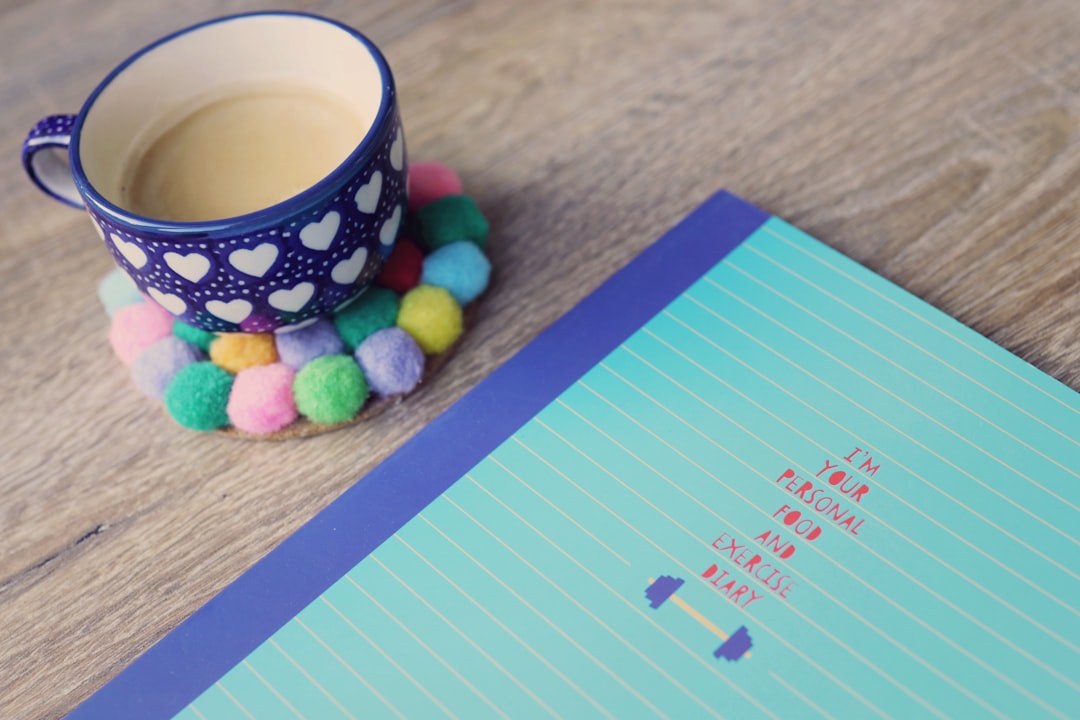
Want a no equipment workout that actually gets you stronger every month? This step-by-step progression system teaches how to scale common bodyweight exercises, includes regressions and progressions, offers weekly templates for every level, and gives tracking metrics so you can apply progressive overload without a gym.
How this plan works (the progressive overload principle for bodyweight)
Progressive overload for bodyweight exercises means systematically increasing the demand on your muscles so they adapt. With no weights, that happens through these variables:
- Reps and sets (more work)
- Leverage and body angle (harder positions)
- Range of motion and tempo (slow eccentrics, paused holds)
- Unilateral work and instability (single-leg, single-arm)
- Reduced rest or added density (more reps in same time)
Use a single progression chain for each movement (e.g., push: wall push-up → incline → standard → decline → archer → one-arm). Pair the chain with weekly volume and load management rules below.
Core exercises and their regression-to-progression chains
Below are practical chains you can follow. For each exercise, pick the version that lets you hit the target rep range with good form. When you can exceed the top of the range for two workouts in a row, move to the next progression.
Push (horizontal pushing)
- Wall push-up (regression)
- Knee push-up
- Incline push-up (hands on bench/step)
- Standard push-up
- Decline push-up (feet elevated)
- Archer push-up / uneven push-up
- One-arm push-up (advanced)
Pull (horizontal/vertical pulling)
- Seated band-assisted row or towel row (use a door + towel)
- Australian row (body row) at high angle
- Body row at lower angle
- Negative pull-up (slow eccentric)
- Assisted pull-up (band or chair)
- Full pull-up
- Weighted/one-arm assisted pull-ups (advanced)
Legs
- Box or chair-assisted squat
- Shrimp squat to a box (regressed pistol)
- Bodyweight squat
- Lunge variations (forward, reverse, walking)
- Split squat / Bulgarian split squat
- Pistol squat (assisted → unassisted)
Core & trunk
- Dead bug and dead bug progressions
- Plank → side plank
- Hollow body holds → tucked L-sit
- Hanging knee raise → hanging leg raise
Overhead & vertical push
- Pike push-up on knees
- Full pike push-up
- Elevated pike push-up (feet on box)
- Wall handstand hold → partial handstand push-ups
- Handstand push-up
Form guide: cues that matter
Good form prevents injuries and improves transfer of strength. Use these universal cues for bodyweight moves:
- Spine: neutral alignment, avoid rounding the lower back during squats and hinges.
- Hips: drive through heels in squats; tuck or lift the pelvis intentionally in core work.
- Shoulders: packed (slightly depressed), not shrugged to ears during presses or rows.
- Range of motion: aim for full, controlled ranges—depth in squats, chest to near-floor in push-ups if mobility allows.
- Tempo: 2–4s eccentric (lowering) and controlled concentric—use pauses to eliminate momentum.
If you want visual cues or quick demos, check out our take on video-based coaching with vertical-friendly exercise videos to practice form at home: Harnessing Vertical Video for Fitness.
Programming: monthly pathway from beginner to advanced
Split your training into 3 primary phases mapped to months. Each phase advances one element of overload: volume, complexity, then intensity.
Phase 1 — Foundation (0–3 months)
Goal: build work capacity, movement patterns, and baseline strength.
- Frequency: 3 full-body sessions per week (e.g., Mon/Wed/Fri).
- Volume targets: 3–4 sets per main movement, 8–15 reps (or timed holds 20–60s).
- Progression rule: when you hit top reps for two sessions, add one set or move one step harder in the chain.
Phase 2 — Skill & Complexity (3–6 months)
Goal: introduce harder leverages and unilateral work.
- Frequency: 3–4 sessions per week (split into upper/lower or push/pull/legs).
- Add: unilateral variations (bulgarian split, archer push-up) and tempo sets.
- Progression rule: add tempo drops (e.g., 3s eccentrics) then advance to harder variation.
Phase 3 — Intensity & Specialization (6+ months)
Goal: focus on high-skill moves, strength holds, and advanced unilateral strength.
- Frequency: 4 sessions with targeted skill practice (handstands, one-arm push-ups).
- Intensity: lower reps, higher difficulty, more skill sets and isometrics.
- Progression rule: reduce assistance and add holds/negatives until full movement is achieved.
Weekly templates (no equipment)
Choose the template that fits your current phase. Each session includes warm-up, main work, accessory, and mobility.
Beginner (Full-body, 3x/week)
- Warm-up: 5–8 minutes (jumping jacks, hip circles, band pull-aparts if available)
- Main (3 rounds): push 8–12, pull (body rows) 8–12, squat 10–15
- Accessory: plank 2 x 30–60s, glute bridges 3 x 12–15
- Cooldown: mobility work (see mobility guide below)
Intermediate (Upper/Lower split, 4x/week)
- Upper A: incline push 4x8–12, body row 4x8–12, core 3x max hold
- Lower A: squat 4x10–15, lunges 3x8–12 per leg, single-leg glute bridges 3x12
- Upper B: decline/archer push 4x6–10, pull-ups or negatives 4x6–10, holds/tempo
- Lower B: split squats, Nordic hamstring regressions, calf work
Advanced (Skill focus, 4–5x/week)
- Skill session: handstand practice, planche prep, mobility
- Strength session: one-arm/one-leg progressions, tempo sets
- Hypertrophy/volume day: higher set counts for assistance work
- Active recovery: mobility and low-intensity core work
Tracking metrics: what to measure and how often
Consistent tracking fuels progress. Use these simple metrics weekly or per session:
- Reps & sets logged for each exercise (primary metric).
- Perceived exertion (RPE 1–10) to manage load.
- Movement quality notes: depth, full range, joint pain
- Time under tension (TUT) for tempo sets—track eccentric seconds.
- Skill progress: seconds holding a handstand, reps of negative one-arm push-ups.
- Photos or short videos monthly to assess posture and ROM (see vertical video link above).
Example weekly tracking row: Exercise | Variation | Sets x Reps | RPE | Notes.
Deloads, recovery and mobility
Plan a deload week every 4–8 weeks where you reduce volume by ~40–60% to let the nervous system recover. Pair that with targeted mobility and soft-tissue work. We recommend integrating mobility practices into cooldowns and dedicating one session a week to full-body mobility. For practical routines, check out a recovery and mobility primer here: Exploring Mobility Practices.
How to progress when reps stall — advanced overload techniques
If reps stop increasing, use these tactics:
- Change leverages (move to incline/decline or alter foot position).
- Add paused reps or slow eccentrics to increase TUT.
- Introduce overloaded variations: unilateral work, holds, or deficits.
- Adjust frequency (more frequent lower-volume practice of the skill).
Practical tips and troubleshooting
- If you can’t do full pull-ups yet, prioritize negatives and high-volume horizontal pulling while practicing scapular pulls.
- For sore wrists during push work, try using fists or push-up bars and strengthen through wrist mobility drills.
- Stuck at a plateau? Revisit form videos, drop intensity for a week, then resume with slightly higher volume.
For guidance on building a training profile and longer-term strategy, see our broader guide on structuring progressive training: The Journey of Strength.
Resources and multimedia
Want exercise demonstrations, short clips, or ideas to make portable routines? Explore our notes on creating on-the-road workouts and video-first exercise cues here: Creating a Portable Workout Routine.
Final checklist before you start
- Choose your phase and baseline variations for each movement.
- Start with 3 sessions/week and a simple tracking sheet.
- Log reps, sets, RPE and a short form note every session.
- Progress one step when you can exceed rep ranges two workouts in a row.
- Schedule a deload every 4–8 weeks and prioritize mobility.
With consistent practice, mindful progression and the right tracking, you can turn bodyweight exercises into a long-term strength-building system. No equipment needed, just a plan, patience and progressive overload applied intelligently.