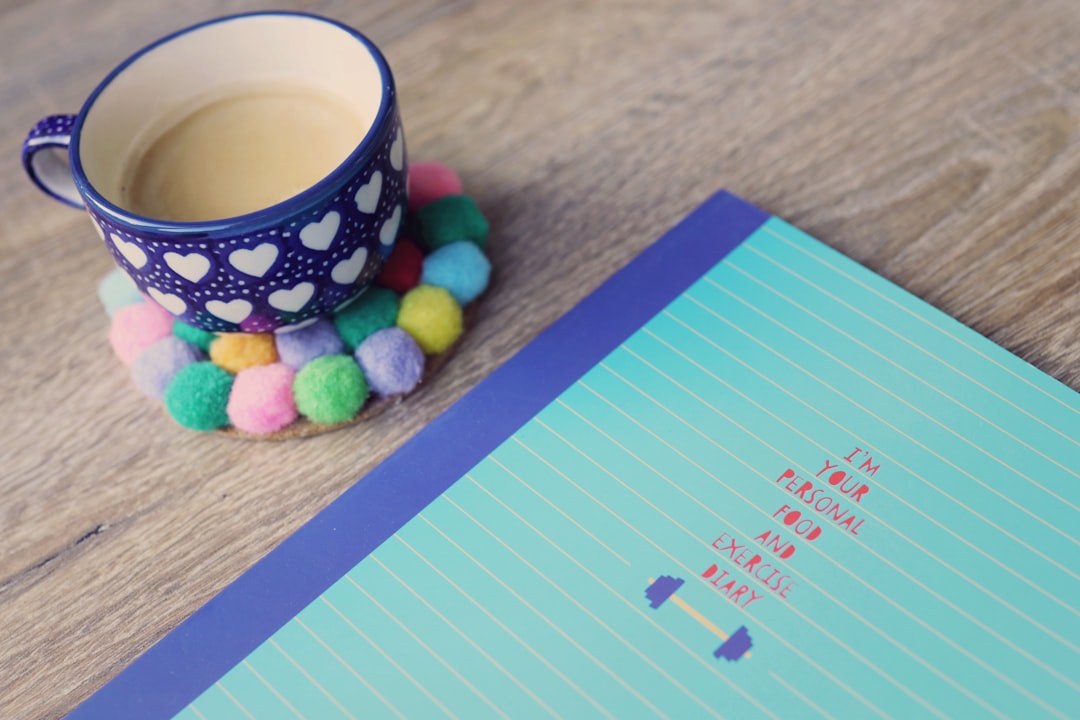
If you train at home, progress can feel harder to “see” than it does in a gym full of machines and mirrors. But you do not need wearables, smart scales, or expensive apps to build a solid home gym on a budget. You need a system that tells you whether your home workouts are getting easier, stronger, or more efficient over time. That is the real engine behind a sustainable strength training routine and a smart progressive overload plan.
The best tracking methods are usually the simplest: a notebook, a phone camera, a consistent performance test, and honest ratings of effort. When used together, they give you a clear picture of whether your workout routines are working, even if your body weight changes slowly. This guide will show you how to track the metrics that matter, how to interpret them, and how to use them to improve any home fitness program without overcomplicating the process. It also ties every method back to better exercise selection, form, and consistency, so your data actually leads to results rather than confusion.
Why Progress Tracking Matters More Than Motivation
Progress creates feedback, and feedback creates consistency
Most people do not quit because a plan is bad; they quit because they cannot tell if the plan is working. A simple log turns invisible improvements into visible proof, which is especially important when results come in small doses. That proof matters when you are building a beginner-friendly beginner workout plan or trying to stay disciplined with a minimalist setup. In practice, tracking gives you the emotional reward that keeps people consistent long enough for adaptation to happen.
Progress tracking also helps you avoid the common mistake of guessing. Without records, it is easy to repeat the same weights, the same reps, and the same effort level for months, which stalls progress. A well-kept log helps you make small upgrades that add up, which is the practical essence of progressive overload. If you want a deeper foundation on training structure, the concepts in historical training regimes show how structured progression has always outperformed random effort.
Tracking improves technique, not just numbers
Good tracking is not only about doing more; it is about doing better. If your reps are increasing but your range of motion is shrinking, your data is telling you something important about form. That is why a useful exercise form guide should be paired with a log that captures cues like tempo, depth, and control. The result is better execution, fewer injuries, and more reliable gains.
This is where the “results” part of reps to results becomes real. For example, a trainer may add five pounds to a goblet squat, but if the athlete loses posture and depth, that is not clean progress. A tracking system that includes notes on technique catches these issues early. If you are learning foundational movement patterns, use the form tips in simple home training setups as a starting point, then refine with your own video clips and notes.
Better tracking helps you adjust before you plateau
Most plateaus are not mysterious. They are usually the result of repeating the same training stress with no planned progression, poor recovery, or inconsistent effort. A tracking system helps you see patterns before they become problems. That means you can adjust volume, exercise selection, or rest periods before frustration sets in.
When your numbers flatten, the right response is not to panic. It is to inspect the data and identify which lever to pull next. You might add a set, change the rep range, slow the eccentric, or increase load in smaller jumps. In the same way that deep product reviews rely on measurable lab metrics, training decisions improve when you have actual information instead of vibes; the logic is similar to reading deep lab metrics rather than relying on marketing claims.
The Core Tracking Methods That Work Without Fancy Tech
Training logs: your baseline source of truth
A training log is the simplest and most powerful tracking tool available. At minimum, record the exercise, load, sets, reps, rest time, and perceived difficulty. Over time, this gives you a concrete record of whether your strength training routine is progressing, which is crucial for home exercisers who do not have a coach watching every session. A paper notebook is fine; a spreadsheet is fine; a notes app is fine. What matters is consistency.
To make logs more useful, add one or two short notes per exercise: “last set grindy,” “depth improved,” or “wrist felt off.” Those notes become incredibly valuable when you are comparing workouts weeks later. You can also use your log to plan your next session before the current one ends, which reduces decision fatigue and keeps your workout routines efficient. For people building a home setup from scratch, the budgeting principles from smart equipment prioritization can help you choose the few tools that support measurable progress.
Performance tests: objective checkpoints for real progress
Performance tests are repeatable assessments that tell you whether your fitness has improved. For home trainers, that might mean max push-ups in one set, a timed plank hold, a 5-rep split squat test, or a repeatable cardio benchmark like a brisk one-mile walk time. The key is to test the same movement, same order, and same conditions each time. That creates data you can trust.
Choose tests that match your goals. If your goal is muscle, test submaximal strength and rep quality on a handful of lifts. If your goal is fat loss and conditioning, use walk intervals, step counts, or work-capacity circuits. A good test is not about ego; it is about evidence. Like the logic in frame-rate estimates that improve buyer confidence, performance tests reduce uncertainty by showing what is actually happening.
RPE and RIR: useful effort metrics when loads are limited
Rate of Perceived Exertion, or RPE, and Reps in Reserve, or RIR, are highly practical when you train with dumbbells, bands, kettlebells, or bodyweight. If you only have a limited set of weights, you may not be able to add load every week. But you can still progress by doing the same work with less perceived effort, more control, or more reps left in the tank. RPE helps you quantify that change.
For example, if a set of split squats used to feel like an RPE 9 and now feels like an RPE 7 at the same load and rep target, that is progress. Likewise, if push-ups leave you with 1 RIR instead of failing at the same rep count, you are building capacity. This becomes especially helpful in a home fitness program where equipment upgrades may not happen quickly. You are no longer dependent on heavier weights to prove improvement.
Photos and measurements: visual proof that numbers miss
Photos are not vanity if they are used strategically. Take front, side, and back pictures under the same lighting, at the same time of day, with the same stance, every 2 to 4 weeks. Pair them with a few simple measurements if your goal includes body recomposition: waist, hips, chest, upper arm, and thigh. These methods can catch changes that the scale hides, especially when you are gaining muscle and losing fat at the same time.
The trick is consistency. Use the same background, the same pose, and similar clothing so the comparison is fair. Small changes in posture or light can create misleading “progress” or fake regressions. A simple visual log can be more useful than any smart scale if it is done correctly, and it works especially well alongside the kinds of practical routines described in accessible home training setups.
How to Build a Simple Progressive Overload Plan
Use one progression rule at a time
Many people overcomplicate progression by trying to increase load, reps, sets, tempo, and frequency all at once. That approach usually causes confusion and inconsistent recovery. A better system is to choose one primary progression rule per phase. For example, you can add one rep per set until you reach the top of a rep range, then increase weight and repeat.
This is one reason a well-designed progressive overload plan feels simple rather than chaotic. You are not asking your body to solve a new puzzle every session. You are giving it a stable challenge with a clear path upward. If your routine is built around standard movements, even a short exercise form guide can help you decide when an exercise is ready for progression and when it still needs practice.
Track rep ranges, not just max numbers
Rep ranges are often more useful than single numbers because they give you flexibility. A set of 6 to 10 reps lets you build skill and strength without forcing every session to be maximal. Once you can hit the top end of the range with good form at the intended effort, you progress by increasing the challenge slightly. That could be a small weight jump, a harder leverage, or an extra set.
For home exercisers, this is especially valuable because equipment can be limited. If your dumbbells are fixed, you can still move from 8 reps to 12 reps, slow the tempo, add pauses, or switch to a unilateral variation. For guidance on choosing practical options with limited equipment, see budget-friendly home gym planning. The point is not to chase random intensity, but to make each step logically harder than the last.
Progress through movement quality, not only load
Some of the best progressions do not involve heavier weights. Cleaner squat depth, a longer pause at the bottom, less wobble in single-leg work, and better breathing all count as progress. These improvements matter because they make later loading safer and more effective. In a home environment, especially, movement quality is often the difference between sustainable training and overuse trouble.
To make quality measurable, add a scoring note in your log: range of motion, stability, or technique confidence. That simple note can turn a vague “felt better” into useful data. It also links directly to injury prevention because you can see when performance is improving at the expense of control. If you need a practical structure for movement practice, the principles from fitness history and foundational programming are a strong reference point.
What to Track for Different Goals
Strength and muscle gain
If your main goal is building muscle tone and strength, track the exercises that matter most: squat patterns, hinge patterns, pushes, pulls, carries, and core anti-rotation work. Record sets, reps, load, and the final effort level for each session. Over time, you should see either more reps at the same load, more load at the same reps, or better quality at the same effort. Those are all valid wins.
To keep things simple, use a small group of “anchor exercises” that you test every few weeks. That might include push-ups, split squats, rows, and Romanian deadlifts. This approach is similar to how reviewers evaluate a product with consistent lab tests instead of changing the test every time. If you need better structure for your routine, combine your log with a plan like a beginner workout plan or a more advanced strength training routine.
Fat loss and conditioning
When the goal is fat loss, the scale alone can be misleading. Daily body weight fluctuates from sodium, glycogen, hydration, and stress, so you need a broader picture. Use weekly average weight, waist measurements, step counts, and a repeatable conditioning benchmark. That gives you a better sense of whether your system is moving in the right direction.
Conditioning progress can also be tracked by recovery. If your heart rate settles faster after intervals or your rest periods feel shorter at the same pace, you are getting fitter. Add notes on how hard the session felt and how long it took to recover normal breathing. This creates a much better view of adaptation than a scale alone. For people balancing training with everyday life, the practical advice in structured workout traditions can help keep expectations realistic.
Mobility, general fitness, and pain-aware training
If your goal is movement quality, joint comfort, or general fitness, track less obvious markers. Can you squat deeper without pain? Can you hinge without losing your spine position? Can you hold a plank with less shaking? Can you finish a session without feeling wiped out for the rest of the day? These are all meaningful data points.
For this type of training, write down “before” and “after” notes: how stiff you felt starting, how you felt after warm-up, and whether a movement felt smoother than last week. It may sound informal, but it is extremely useful. You are building a real-world exercise journal that connects input to outcome, which is the whole purpose of a good exercise form guide.
How to Use Photos, Videos, and Notes Like a Coach
Short video clips reveal form problems fast
A 10-second video from the side or front can teach you more than a month of guesswork. Film a few reps of your main lifts once every one to two weeks, then compare body positions, speed, and control. Look for changes in torso angle, knee tracking, depth, and whether the same cue is being maintained across reps. This is one of the fastest ways to make sure your progress is real.
Use video for the lifts that matter most, not everything. If you try to film every exercise, you will burn out on the process. Save it for your anchors and for any movement that seems stuck or uncomfortable. For cleaner setup and better review habits, the logic in modern video framing is surprisingly useful: capture the angle that best shows the movement, then keep that angle consistent over time.
Write notes like a scientist, not like a diary
Training notes should be short, specific, and repeatable. “Legs felt heavy” is less useful than “warm-up took longer, last set of lunges slowed down, sleep was 5 hours.” The goal is not literary elegance; the goal is to identify patterns. If you notice that performance drops on poor-sleep days, or that your push-up reps rise when your warm-up is more thorough, you have actionable data.
This also helps during busy weeks. You may not hit a PR every session, but you can still collect evidence that keeps you moving. That is valuable motivation for home exercisers with irregular schedules. If your environment changes often, the planning mindset in short pre-session briefings can help you decide your training focus before you start.
Use comparison windows instead of daily emotion
One workout is not a trend. One bad day is not a plateau. Compare week to week or month to month, not rep to rep in isolation. That perspective makes your system more stable and keeps you from reacting emotionally to normal variability.
For example, you might decide that every fourth week you review your logs, photos, and performance tests together. That mini review becomes your checkpoint, where you decide whether to keep the plan, adjust the volume, or shift emphasis. If you want to think in more strategic terms, the “test, learn, improve” mindset is also why smart digital systems like measurement playbooks outperform guesswork.
A Simple Weekly Tracking Workflow You Can Actually Stick To
Before the workout: define the target
Before you train, write down the goal of the session in one sentence. For example: “Add one rep to each set of dumbbell rows,” or “Keep RPE around 7 on lower body work.” This reduces decision fatigue and makes your session more focused. If you train at home, where distractions are common, a written target is often the difference between a productive session and a random one.
It also helps if your plan is organized into repeatable blocks. A Monday push session, Wednesday lower-body session, and Friday full-body session are easier to track than a constantly changing routine. For a more complete structure, pair your tracking habit with a consistent workout routines framework. The more stable the template, the easier it is to compare sessions fairly.
During the workout: capture only the essentials
You do not need to write a novel between sets. Jot down the numbers, the effort, and one short note if something important happens. Over-documenting can hurt training flow, so keep the system lean enough to use in real time. The best tracking method is the one you will actually do for months, not the one that looks impressive for one week.
A practical format is: exercise, load, reps, RPE, note. That five-part structure is enough for most people. If you like a paper-and-pen method, a small notebook in your training area works well. If you prefer digital, a simple spreadsheet is enough. The important thing is that the system supports your home fitness program rather than becoming a second job.
After the workout: decide the next progression
At the end of the session, write down one specific next step. That might be “same load, aim for one extra rep,” “keep load, shorten rest by 15 seconds,” or “repeat this week before progressing.” This turns tracking into action instead of just recordkeeping. You are using the data to choose the next overload variable intentionally.
That final step is where progress becomes predictable. Instead of waiting to “feel” stronger, you have a clear rule for what comes next. That is how a solid progressive overload plan avoids stagnation. It is also how a home workouts routine stays motivating: every session leaves you with evidence and direction.
Common Mistakes That Break Progress Tracking
Changing too many variables at once
If you switch exercises, rep ranges, rest periods, and equipment all at once, you cannot tell what actually worked. That makes it hard to learn from your training. Keep one or two variables stable long enough to observe a trend. The cleaner the data, the more useful your decisions become.
Think of it like a product test: if everything changes at once, the result is impossible to interpret. Training is no different. This is especially important for people using a limited set of exercises at home, where consistency is already harder to maintain. A stable template borrowed from a reliable exercise form guide makes your measurements more trustworthy.
Chasing PRs when recovery is poor
Progress tracking should reveal when to push and when to hold back. If sleep, nutrition, or stress are off, forcing a new personal best can backfire. It may look impressive in the short term, but the data often shows worse performance in the following sessions. Good tracking supports long-term output, not just one heroic workout.
When life is busy, your log should help you identify “maintenance weeks” versus “progress weeks.” That mindset makes training sustainable. A well-built strength training routine allows these fluctuations without losing momentum, which is one reason structured plans outperform random enthusiasm.
Ignoring what the body is telling you
Numbers matter, but they are not the whole story. Persistent joint pain, unusual fatigue, and form breakdown are all signals that should be tracked and respected. Good progress is not just more work; it is better adaptation with manageable risk. That is why form notes, RPE, and video are just as important as rep counts.
If you notice a recurring issue, reduce load, simplify the movement, or take a deload week. That decision is not “backing off”; it is smart training. In the long run, protecting movement quality gives you more opportunities to improve. Your workout routines should make progress easier, not more fragile.
Data Comparison Table: Which Tracking Method Should You Use?
| Tracking Method | Best For | What You Record | Pros | Limitations |
|---|---|---|---|---|
| Training log | Strength, muscle, consistency | Sets, reps, load, rest, notes | Simple, cheap, highly actionable | Requires discipline and honesty |
| Performance tests | Benchmarking progress | Push-ups, plank time, walk time, etc. | Objective, repeatable, motivating | Should not be overused |
| RPE / RIR | Limited equipment, effort control | Perceived difficulty, reps left | Works when load jumps are small | Needs practice to rate accurately |
| Photos | Body composition changes | Front, side, back images | Shows visual changes scale may hide | Lighting and pose can distort results |
| Measurements | Fat loss or recomposition | Waist, hips, chest, limbs | More objective than appearance alone | Must be taken consistently |
| Video review | Form and technique | Movement quality, tempo, depth | Excellent for correcting errors | Can feel tedious if overused |
How to Stay Motivated When Progress Feels Slow
Track wins that are not just scale-based
Motivation often disappears when people only care about body weight or one-off PRs. The fix is to recognize multiple forms of progress: more reps, better form, shorter recovery, improved sleep, easier breathing, and more confidence under load. Those smaller wins are what make training feel rewarding between major milestones. In other words, you need more than one scoreboard.
This is especially true for a beginner workout plan, where adaptation is often fast at first and then becomes subtler. If you only celebrate visible physique changes, you may miss the many signs that your body is adapting. The best home trainers learn to trust the process and the data together.
Use streaks and checklists to reduce friction
Tracking can also motivate by making the process easier to start. A streak of completed sessions, a checked-off routine, or a filled-in log page creates momentum. The goal is not perfection; the goal is continuity. A low-friction system beats a complicated one every time because it keeps you engaged long enough to benefit from the program.
If you are building habits around training, consider pairing your sessions with a fixed cue, such as “after coffee” or “right after work.” That simplicity mirrors how practical systems work in other fields: less friction, more follow-through. For home exercisers, the most effective home workouts are the ones that are easy to repeat.
Review progress monthly, not emotionally
Monthly reviews help separate real progress from day-to-day noise. Set aside 15 minutes to look at your logs, photos, measurements, and tests. Ask three questions: What improved? What stalled? What needs adjustment next month? That cadence keeps your plan responsive without becoming reactive.
This kind of review is one reason people stay on track for years rather than weeks. It gives training a narrative. Instead of “I hope this is working,” you get “I can see what changed, why it changed, and what to do next.” That is the strongest kind of motivation, because it is grounded in evidence.
Putting It All Together: A No-Tech Tracking System You Can Start Today
Your minimal setup
Start with a notebook, your phone camera, and one performance test. That is enough to run a reliable system for months. Use the notebook for session logs, the camera for form and photo checkpoints, and the test for monthly benchmarking. If you want a little extra structure, add a simple spreadsheet for measurements and weekly averages.
The beauty of this approach is that it scales. Beginners can use it to learn exercise patterns, while more experienced lifters can use it to refine overload and recovery. It also fits neatly into a general fitness or strength training routine without demanding expensive hardware. The less tech you rely on, the fewer excuses you have to skip the process.
Your first 30-day tracking challenge
For the next 30 days, pick three anchor exercises, one conditioning benchmark, and one photo day per week. Log each session with load, reps, and RPE. Record one note about form or recovery, and use the same conditions for your photos and tests. At the end of the month, compare your first and last entries.
You will likely discover more progress than you expected. Maybe your push-ups improved by four reps, your squat tempo became cleaner, or your conditioning test felt noticeably easier. Those are meaningful results, and they came from simple tracking, not fancy tech. If you want a more structured way to keep building, use the insights from this article to refine your progressive overload plan and keep your home fitness program moving forward.
Final takeaway
Progress tracking works best when it is boring, repeatable, and honest. Logs, performance tests, RPE, photos, measurements, and video each reveal a different part of the story. Together, they help home trainers apply overload safely, stay motivated, and make better decisions workout after workout. You do not need more data; you need the right data, collected consistently. Start small, stay consistent, and let the numbers prove what your effort is doing.
Pro Tip: If you only do one thing, track your main lifts in a notebook and take one monthly photo set. That simple combo will give you clearer progress feedback than most expensive gadgets.
Frequently Asked Questions
How often should I track progress?
Track every session in a simple log, but review the bigger picture weekly or monthly. Session-by-session records help you see short-term trends, while monthly reviews reveal real progress without overreacting to normal day-to-day fluctuations.
What is the best way to track progress for home workouts?
The best method is a training log plus one benchmark test and periodic photos. That combination gives you performance, effort, and visual data, which is enough for most home workouts and beginner plans.
Do I need a fitness app to use progressive overload?
No. A notebook and a simple rule are enough. For example, add reps until you reach the top of a range, then increase weight or difficulty. That is a complete progressive overload plan without any fancy tech.
How do I know if my effort level is accurate?
Use RPE and RIR as estimates, then calibrate them over time. If you consistently think a set is RPE 7 but it looks like a grind on video, your rating is probably off. With practice, your effort estimates will become more reliable.
Should I track body weight every day?
You can, but use weekly averages rather than single weigh-ins. Daily weight fluctuates for many reasons, so the average gives a more accurate view of fat loss or maintenance over time.
What should I do if progress stalls?
First, check sleep, nutrition, and recovery. Then look at the log for signs that the plan is too easy, too hard, or too repetitive. You may need a small increase in volume, a new rep range, or a deload week before pushing again.
Related Reading
- Building a Home Gym on a Budget: Top Tips for Renters - Set up an effective training space without overspending.
- The Fitness Footprints: How Historical Training Regimes Shape Modern Workouts - Learn how proven training ideas evolved into today’s routines.
- From Match Previews to Ride Previews: Building Short, Effective Pre-Ride Briefings - Use quick pre-session planning to train with more focus.
- Steam’s Frame-Rate Estimates: A Game-Changer for Buyer Confidence and Refund Rates - A useful example of why clear metrics build trust.
- How to Read Deep Laptop Reviews: A Guide to Lab Metrics That Actually Matter - See how objective testing can improve decision-making.