Progressive overload is the simple idea behind long-term strength and muscle gain: over time, your training must ask your body to do a little more than it has already adapted to. The problem is that many lifters reduce that idea to one tactic—adding weight every session—and then feel stuck when progress slows. This guide explains seven practical ways to keep progressing without guessing, how to use them in a real program, what signs tell you it is time to adjust, and when to revisit your approach so your strength progression keeps moving in a steady, sustainable way.
Overview
If you want a clear answer to how to progressive overload, start here: choose a lift, define the performance target, track it, and improve one training variable at a time. That is the whole system. Progressive overload does not require dramatic jumps. It works best when changes are small enough to recover from and clear enough to measure.
For strength training and muscle growth progression, the main variables are load, reps, sets, training density, exercise difficulty, range of motion, and technique quality. Not every variable should rise at once. In fact, most stalled lifters do better when they make one controlled change, hold everything else steady, and then observe the result for a few sessions.
A useful way to think about overload is this:
- Mechanical tension: the challenge placed on the muscles by load and effort.
- Training volume: the amount of hard work you accumulate across sets and reps.
- Movement quality: whether the work is being done through the intended range and with repeatable form.
- Recovery cost: the fatigue you create in exchange for adaptation.
The best overload method is often the one that improves performance while keeping recovery manageable. A beginner may progress quickly by adding reps. An intermediate lifter may need smaller load jumps, better set planning, and stricter technique. Someone training at home may rely more on tempo, pauses, and exercise progression than on heavier equipment. All of those are valid.
Here are the seven most reliable ways to progressive overload:
- Add weight. Increase the load while keeping reps and form similar.
- Add reps. Perform more reps with the same weight before increasing load.
- Add sets. Increase the amount of quality work you do for the movement.
- Improve technique. Make the same load harder and more productive by standardizing form.
- Increase range of motion. Use a fuller, controlled range when appropriate.
- Manipulate tempo or pauses. Slow eccentric phases or add pauses to increase difficulty without more weight.
- Reduce rest or improve density. Do the same work in less time, or more work in the same time, when the goal supports it.
These methods are not equal for every goal. If your priority is pure strength on barbell lifts, load, reps, and sets usually matter most. If your priority is hypertrophy, technique quality, full range of motion, and accumulating enough hard sets become especially important. If you train with limited equipment, progression through exercise variation and tempo becomes more valuable. For a broader framework on making any movement harder over time, see the Exercise Progression Guide: How to Make Bodyweight, Dumbbell, and Barbell Moves Harder.
The simplest model: double progression
One of the most useful methods in any progressive overload guide is double progression. Pick a rep range, such as 6 to 8 reps for a compound lift or 10 to 15 reps for an accessory exercise. Use the same weight until you can hit the top of the range across all planned sets with solid form. Then increase the weight slightly and repeat the process.
Example:
- Week 1 bench press: 3 sets of 6 at a given weight
- Week 2: 3 sets of 7
- Week 3: 3 sets of 8
- Week 4: add a small amount of weight and return to 3 sets of 6
This works well because it gives you two paths to progress: more reps first, then more load. It is steady, measurable, and easier to sustain than forcing heavy jumps too early.
Maintenance cycle
The smartest way to keep getting stronger is to review your training on a regular cycle instead of waiting until you feel completely stuck. A simple maintenance cycle keeps your strength progression current and helps you make decisions based on performance rather than mood.
Use a 4- to 6-week review block
For most lifters, reviewing your main lifts every 4 to 6 weeks is often enough. During that block, keep your exercise selection fairly stable so you can compare like with like. Track the following for your key lifts:
- Weight used
- Reps completed
- Sets completed
- Estimated effort or reps in reserve
- Rest periods
- Notes on form and recovery
At the end of the block, ask three questions:
- Did performance improve?
- Was technique stable or better?
- Was recovery manageable?
If all three are true, your current overload strategy is working. Keep it. If performance improved but form slipped, you may be adding load faster than you can own it. If performance stalled and fatigue rose, your plan may need less volume, more recovery, or a different progression method.
How to apply the 7 overload methods across a block
Here is a practical sequence that works well for many gym workout routines:
- Weeks 1-2: Build momentum by adding reps within a target range.
- Weeks 2-4: Add a small amount of load once the top end of the rep range is hit with good form.
- Weeks 3-5: If load stalls, add one set to the main movement or one accessory movement.
- Any week: Improve technique consistency, range of motion, and bar path.
- Limited equipment phase: Use tempo work, pauses, or more demanding exercise variations.
- Conditioning-focused phase: Slightly reduce rest to raise density without changing load.
You do not need to use every method in the same block. One or two well-chosen changes usually work better than constant program churn.
Examples by training style
Barbell strength example: On the squat, work in a 4 to 6 rep range. Add reps until all sets reach 6, then add a small amount of weight. If progress slows, add one back-off set instead of forcing a heavier top set every session.
Dumbbell exercise example: On dumbbell incline press, stay in an 8 to 12 rep range. Once all sets reach 12 with controlled reps and a full range, increase dumbbell weight and start again at 8 or 9 reps.
Bodyweight exercise example: On push-ups, first add reps, then elevate the feet, then slow the lowering phase, then add a pause at the bottom. For many home workouts, this sequence is more realistic than waiting for access to heavier equipment.
Hypertrophy accessory example: On lateral raises or leg curls, adding a small rep increase, improving control, and limiting body English may be more productive than chasing load aggressively.
If you are building a full program around these decisions, the Weekly Workout Plan Builder: How Many Exercises, Sets, and Reps Do You Need? can help you organize volume and exercise selection around your goal.
Signals that require updates
You should not rewrite your training plan every week, but you also should not stay with a progression method that has clearly stopped working. The best time to update your approach is when performance data and recovery signals point in the same direction.
1. Your numbers have stalled for 2 to 3 exposures
If the same lift has not improved in load, reps, or quality across multiple sessions, that is a useful signal. One flat session is normal. Repeated flat sessions suggest that your current progression is too aggressive, too vague, or not matched to your recovery.
Possible update: switch from load-based progression to rep-based progression for a block, or reduce the jump size between increases.
2. Form is getting worse to keep numbers moving
If your squat depth shortens, your bench press turns into a rushed partial, or your rows become more momentum than muscle, you may have exceeded productive overload. Better numbers do not always mean better training if movement quality keeps dropping.
Possible update: hold load steady, tighten the rep standard, and rebuild from cleaner execution. On related assistance work, the Best Exercises for Core Strength can help address trunk stability issues that limit safe loading.
3. Recovery markers are slipping
Persistent soreness, low motivation, falling performance, and trouble completing planned sets can all mean the total stress of your training is too high. This is especially common when people try to increase load, sets, and weekly frequency all at once.
Possible update: reduce sets for a week, keep the weight moderate, and focus on crisp execution. If body composition goals are also in play, nutrition may be part of the issue. See the Body Recomposition Guide and the Calorie Deficit Guide for Fat Loss if you are trying to gain strength while managing calories.
4. Equipment or environment has changed
Your overload strategy should match your setup. A move from a full gym to home workouts changes what progression looks like. With limited loads, you may need unilateral work, slower tempo, paused reps, and higher rep targets to keep progressing.
Possible update: choose harder exercise variations and track total work more carefully.
5. Your goal has shifted
If you move from muscle building workouts toward fat loss, sport conditioning, or a mixed training phase, your overload priorities should change too. Pure load progression may become less important than maintaining strength while managing fatigue and supporting conditioning.
Possible update: use fewer maximal efforts, keep key lifts in maintenance ranges, and direct extra recovery toward the new priority. If endurance becomes part of the plan, related guides like Zone 2 Cardio Guide or How to Increase VO2 Max can help you blend energy system work without letting it interfere with strength more than necessary.
Common issues
Most problems with progressive overload are not caused by lack of effort. They come from unclear progression rules, unrealistic jumps, or poor tracking. Here are the most common mistakes and what to do instead.
Adding weight too often
This is probably the most common issue. Lifters try to add load every session, fail reps, then assume the program stopped working. In reality, the jump may simply be too large for the exercise. Small increases accumulate over time. If your gym has big plate jumps only, use rep progression longer before adding weight.
Changing exercises before progress can happen
Variation has a place, but if you switch movements every week, it becomes harder to measure actual improvement. Keep your primary lifts stable long enough to progress them. Accessories can rotate more often, but even there, consistency usually beats novelty.
Using sloppy reps as proof of progress
A rep only counts if it matches the standard you set. If your range of motion gets shorter every week, your training log may look better while your muscles receive a weaker stimulus. Progressive overload works best when your rep quality is standardized.
Ignoring volume
Some lifters focus only on load and forget that total hard sets matter for muscle growth progression. If your weights are not moving but your weekly training volume is too low, adding one well-placed set to a main lift or accessory can be enough to restart progress.
Ignoring recovery
Overload is only half of the equation. Sleep, food, and fatigue management determine whether overload turns into adaptation. If you are in a calorie deficit, expect strength gains to come more slowly and use tighter technique standards rather than forcing aggressive jumps. Walking and low-impact cardio can support general fitness and recovery, but they should be balanced against your lifting volume. If needed, see Walking for Weight Loss or Best Low-Impact Cardio Exercises for ideas that are easier to recover from.
Not matching progression to the exercise
Heavy compound lifts usually tolerate slower, smaller progress. Isolation work often progresses well through reps, tempo, and better control. Lower-body glute-focused work, for example, may benefit from both load and improved range of motion depending on the movement. For exercise-specific ideas, the Best Exercises for Glutes guide is a useful companion.
A practical troubleshooting checklist
If a lift stalls, run through this order before overhauling your program:
- Check whether your technique standard stayed the same.
- Confirm your rest periods were consistent.
- Look at sleep, stress, and food intake from the past week.
- Try adding reps before load.
- Try a smaller load increase.
- Add one set if total volume seems too low.
- Use a light week or reduced-fatigue week if recovery has clearly slipped.
- Only then consider changing the exercise.
When to revisit
This topic is worth revisiting on a schedule, not only when frustration hits. Progressive overload is not a one-time lesson. It is a decision-making tool you use repeatedly as your level, goal, and equipment change.
Revisit weekly: review your log
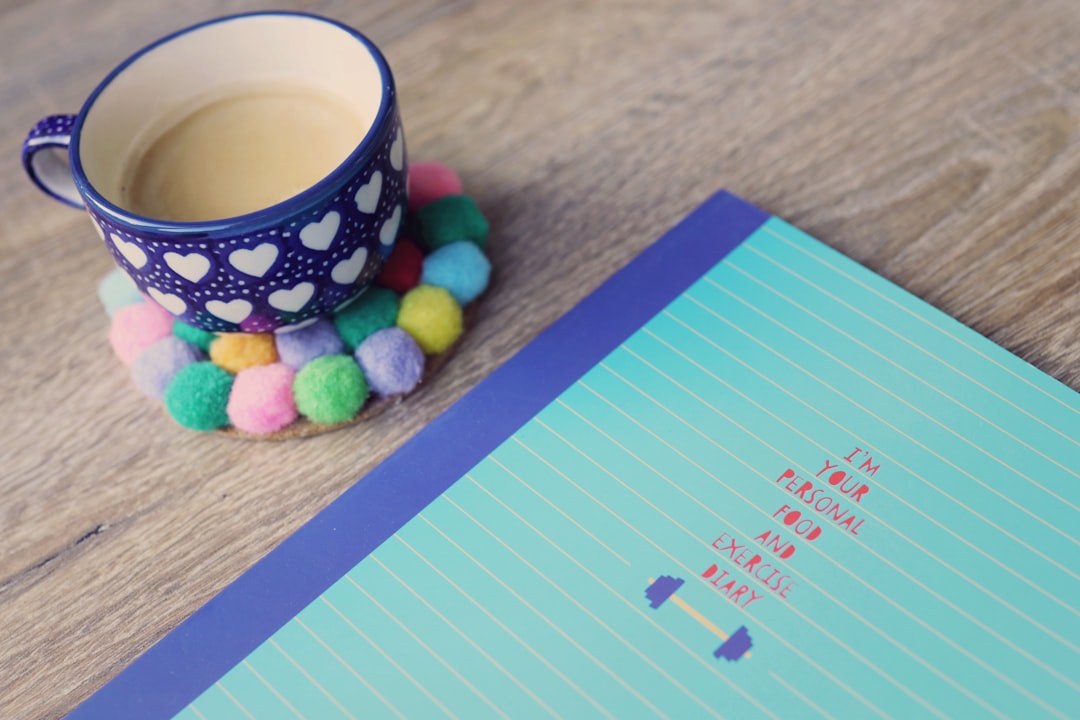
At the end of each week, take five minutes to note which lifts improved, which stayed flat, and which felt unusually hard. This catches problems early. You do not need a complicated app. A notebook or spreadsheet is enough if it helps you compare sessions honestly.
Revisit every 4 to 6 weeks: audit your progression method
Ask yourself:
- Am I progressing by load, reps, sets, or quality?
- Which lifts are moving well?
- Which lifts need a smaller jump, more volume, or cleaner form?
- Is my current goal still strength, hypertrophy, fat loss, or mixed performance?
Then make one adjustment per lift, not five. For example, on the bench press you may keep the same load and chase one more rep per set. On pull-ups you may add a pause at the top. On split squats you may increase range of motion before increasing load.
Revisit whenever search intent in your own training shifts
If you started by looking for the best exercises for beginners but now care about breaking a plateau, your questions have changed. The same should be true of your training. Revisit this guide when you move from beginner gains into slower, more deliberate progress, when you start training at home, when body composition goals affect recovery, or when a previously reliable lift stops responding.
Your action plan for the next workout
- Pick 3 to 5 core lifts in your current program.
- Assign each lift a progression method: load, reps, sets, tempo, range of motion, or density.
- Set a clear rule, such as “when I hit 3 sets of 8, I add weight next session.”
- Track each session with the same technique standard.
- Review after 4 weeks and change only what clearly needs changing.
If you do that consistently, you will no longer have to guess whether your training is working. You will have a repeatable system. That is the real value of progressive overload: not just doing more, but knowing exactly how and when to ask for more so strength gains and muscle growth can continue for the long term.