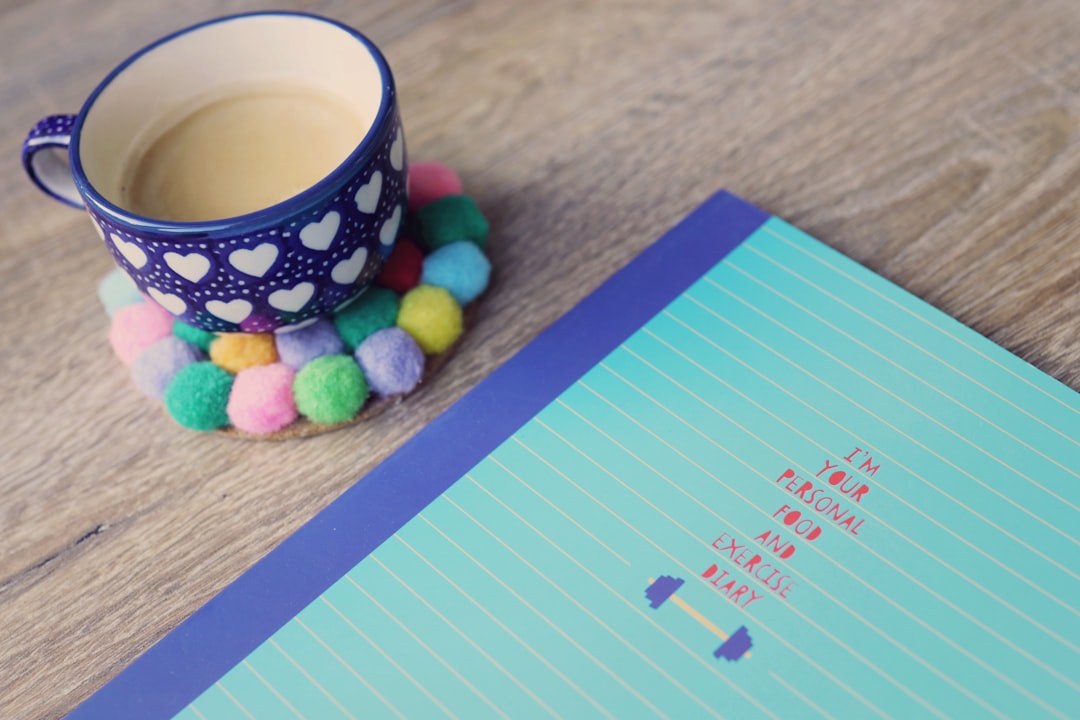
In a world where time is the limiting factor for many people, micro-workouts provide a bridge between intention and action. These compact sessions deliver targeted stimulus for strength, mobility, and conditioning without requiring an hour in the gym.
"Consistency beats quantity when it becomes a daily habit."
Principles of effective micro-workouts
To get results from 10-minute sessions, design workouts that are:
- Specific: target one or two quality outcomes (e.g., upper-body push strength, posterior chain tension).
- Progressive: track and increase load, reps, or density over time.
- Controlled: maintain form and tempo — avoid sloppy reps just to increase volume.
How to plan a week of micro-sessions
Use 6 micro-sessions per week: push, pull, legs, core, mobility, and conditioning. Each session is focused, easy to complete, and stacks into a full training stimulus over days.
Sample micro-workout templates (10 minutes each)
Upper push (10 minutes)
- Warm-up 60s arm circles + band pull-aparts.
- 4 rounds: 40s incline push-ups, 20s rest. Increase incline difficulty over weeks.
- Finish: 2 sets 45s plank to hollow hold transition.
Lower session (10 minutes)
- Warm-up 60s bodyweight squats.
- EMOM 10 minutes: odd minutes = 8 walking lunges (total); even minutes = 10 glute bridges. Scale reps to maintain tempo.
Pull emphasis (10 minutes)
- Warm-up: 60s band rows.
- 3 rounds: 10 inverted rows or door-frame rows, 12 band face pulls, 30s dead hang or scapular pull-ups.
Conditioning (10 minutes)
- Tabata-style: 8 rounds 20s work / 10s rest. Alternate between kettlebell swings and burpees. Total time 4 minutes; repeat for 8–10 minutes total with short walk breaks.
Mobility & recovery (10 minutes)
- 3 minutes foam roller or diaphragmatic breathing.
- 5 minutes focused mobility: hip 90/90, thoracic rotations, shoulder dislocates.
- Finish: 1 minute deep squat hold.
Progression strategies for micro-workouts
Progress by increasing work density (less rest), improving movement difficulty (switch incline/leverages), or adding resistance (bands, backpack). Track one metric per session: total reps, average RPE, or time under tension.
Stacking micro-sessions into meaningful phases
Month-long cycles: Week 1 build baseline consistency, Week 2 increase intensity, Week 3 prioritize volume, Week 4 recovery and testing. Over a month, six sessions per week create a substantial weekly workload despite small session duration.
Who benefits most?
Busy professionals, parents, travelers, and anyone who struggles to carve longer blocks of exercise. Micro-workouts also serve as productive add-ons between meetings or during breaks.
Common pitfalls
- Doing low-quality reps to hit the clock. Focus on technique.
- Not tracking progress. Micro-sessions require deliberate progression to avoid stagnation.
- Overloading recovery: even short sessions require adequate sleep and nutrition when done frequently.
Final note
Ten minutes of purposeful movement done consistently is better than sporadic long sessions. Treat micro-workouts as building blocks, and you will see compound improvements in strength, mobility, and energy over time.
Related Reading
- Smart Home + Crypto: Automating Price Alerts with Lamps, Speakers, and Watches
- A Practical Guide to Using AAdvantage Miles on United’s New Regional Routes
- Architecting for EU Data Sovereignty: A Practical Guide to AWS European Sovereign Cloud
- Warm & Cozy: Are Heated Cat Beds the New Hot-Water Bottles?
- Monitoring Semiconductor Supply Chain Risk with Scraped Signals: Indicators and Dashboards