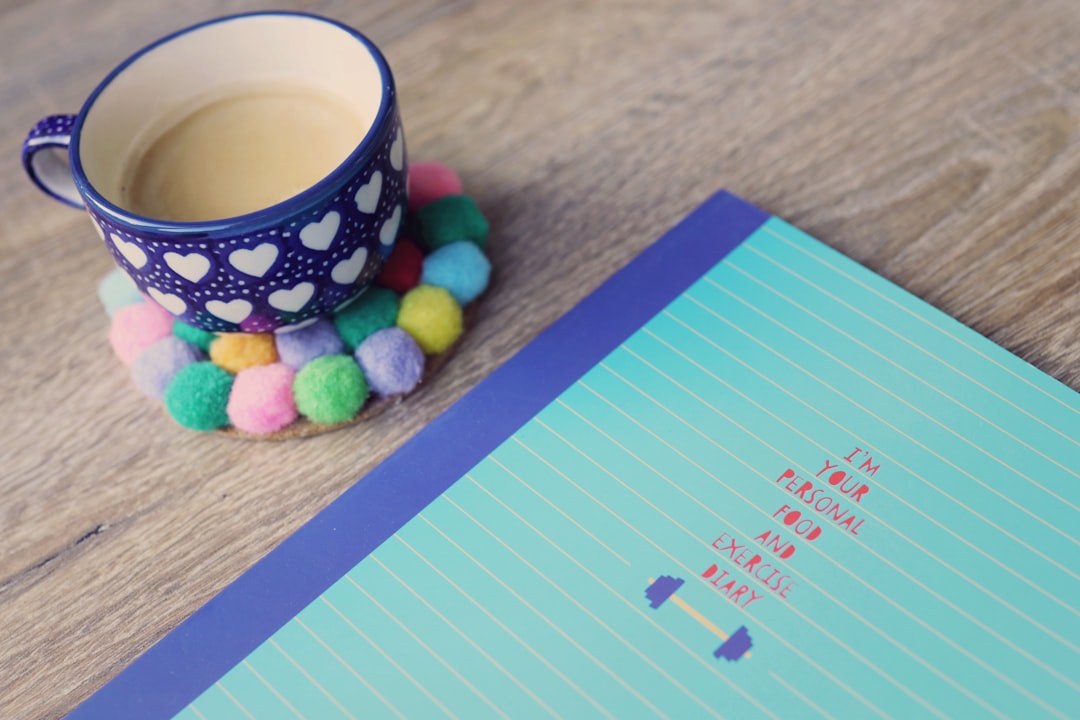
Hook: Your workouts are great — but nobody finds them. Here’s how to change that in 2026.
If you’re a trainer, gym owner, or fitness creator, you know the pain: you design effective home workouts and minimal-equipment routines, but they disappear in a sea of content. Audiences no longer “just Google” — they form preferences on social platforms, ask AI for summaries, and decide before they open a search box. In 2026, winning discoverability means building pre-search authority: being present, trusted, and cited across social, search, and AI answers so your workouts are the ones people find first.
The new discoverability landscape (quick primer for trainers in 2026)
Over 2024–2025 search evolved into a multi-layered ecosystem where social search, digital PR, and AI answer engines jointly shape what audiences see. By late 2025, mainstream AI answer experiences (Google SGE-style snapshots, Bing AI and other answer aggregators) started returning condensed workout plans and recommending creators — often using signals from social engagement and reputable mentions, not just traditional organic rankings.
Translation for fitness pros: You must show authority across three channels at once — social touchpoints (TikTok, YouTube, Instagram Reels), trusted editorial sources (local press, fitness blogs, podcasts), and AI-friendly text (FAQ pages, structured data) — so the AI and social algorithms point users to your workouts.
Why “pre-search authority” matters
- Audience preference forms before a query: people discover workout ideas on social, save creators, then ask AI “What’s a 20-min no-equipment routine?” — AI favors creators it recognizes.
- AI answers synthesize signals: answer engines increasingly cite social posts, local mentions, and authoritative text sources when constructing responses.
- Search and social signals are interdependent: backlinks and press mentions lift search authority while social proof increases the likelihood AI will list you in summaries.
“Discoverability in 2026 is not about ranking #1 on one platform — it’s about being visible and credible across the touchpoints where users decide.”
A 6-stage playbook to build discoverability for home workouts & minimal-equipment routines
This playbook blends modern digital PR, social search strategies, and AI-structured content so trainers and gyms can be the default answer. Use it as your quarterly roadmap.
1) Audit: Map where your audience forms preferences
- List top channels: TikTok, YouTube, Instagram, Reddit/Threads, Pinterest, local news sites, and search answer platforms (Google SGE, Bing AI).
- Gather baseline metrics: followers, saves, shares, backlinks, Google Business Profile interactions, and pages that currently rank for your key topics (e.g., "20-min home workout").
- Identify content gaps: Which equipment-free routines are underserved? Which local keywords ("gym near me home workouts", "trainer [city]") have low-quality results you can own?
2) Digital PR: Create newsworthy assets that prove authority
Digital PR is not just backlinks — it’s about building public trust and citations that AI uses to validate creators. For fitness pros, PR can be made simple and repeatable.
- Local data hooks: run a survey (e.g., "Top 5 home workout excuses in [city]") and pitch local press. Local outlets increasingly feed into AI knowledge layers.
- Collaborations: partner with nutritionists, physios, or sports scientists for a co-authored routine. Expert mentions increase trust signals and open podcast/guest post opportunities.
- Case studies: publish client transformation stories with measurable outcomes. Use visuals and short video clips to boost pickup by social and editorial outlets.
- Media kit & one-pager: supply a ready-to-use author bio, key stats, and short workout demo clips for journalists and podcasters — speed increases coverage.
3) Social search-first content: design for discovery, not just views
Social platforms are now search engines for many users. Optimize every post to be discovered later in social search and by AI summarizers.
- Micro-intent clips: produce 15–45s clips that answer a single intent ("3 moves for tight hips at home"). Use clear on-screen text and captions — platforms index this content.
- Saveable formats: carousels and short routines with step-by-step visuals increase saves and shares, which are top signals for social search.
- Consistent naming: use a unique series title (e.g., "No-Equips 20") in captions and hashtags so algorithmic systems can tie clips to a content pillar.
- Repurpose for search: convert short videos into 300–700 word articles or long-form descriptions for your site with the same headings and keywords — this helps AI link your social presence to on-site authority.
4) AI-answer optimization: structure content for snippets and citations
AI agents favor concise, well-structured answers with clear provenance. The goal is to be the excerpt AI cites.
- FAQ sections: add targeted Q&A blocks on each workout page. Use user-intent queries ("Best 20-minute no-equipment workout for beginners?") and short, actionable answers.
- HowTo & QAPage schema: implement JSON-LD schema for workouts, exercises, and FAQ. In 2026, AI answer ecosystems actively use structured data to extract safe, parsable steps.
- Short answer + long-form backup: place a 1–2 sentence answer at the top of pages with an expanded explanation and links to supporting studies or client results below — AI loves the concise answer for snippets and the depth for credibility.
- Attribution-ready content: include creator bylines, publication dates, and links to social profiles. AI prefers sources it can verify and attribute.
5) Local gym SEO & hyperlocal signals
For gyms and trainers serving a local market, local signals remain crucial. In 2026, local results also feed AI local suggestions.
- Business Profile optimization: update hours, service descriptions ("home workout coaching, in-person and virtual"), and add workout-specific posts weekly.
- Local landing pages: build neighborhood pages ("minimal-equipment workouts in [neighborhood]") with unique testimonials, class schedules, and short video demos.
- Local PR & partnerships: co-host community events or community challenges and get coverage from neighborhood publications — AI answer engines often use local news to surface trusted options.
- Review strategy: solicit reviews that mention specifics ("20-min bodyweight workout with Coach Sam") and respond to every review — engagement is a ranking and trust signal.
6) Measurement & iteration: focus on signals AI and platforms care about
Traditional metrics (visitors, followers) matter but prioritize signals that inform AI and social algorithms.
- Engagement quality: saves, shares, and comments per post — track trends over time.
- Content pick-up: mentions in news, podcasts, and authoritative blogs — log each pick-up and its domain authority.
- FAQ & snippet wins: monitor when AI or search features cite your pages in answer boxes or knowledge panels.
- Local discovery: impressions from Business Profile queries and calls/direction requests.
Practical templates and tactical examples
Below are actionable templates you can implement this week. Use them on your site, in pitches, and in social captions.
Pitch template for local digital PR (one week to press pickup)
Subject: [City] study — Most common home workout barriers + 3 quick fixes
Hi [Editor],
I’m [Name], a certified trainer and owner of [Gym]. We recently surveyed 300 residents in [City] about home workout barriers and found 4 consistent roadblocks (time, space, motivation, equipment). I can provide a short data-driven piece with a 3-step minimal-equipment routine and a local client case study for your audience. I also have video clips and a one-paragraph bio.
Would you like the data and a ready-to-run piece this week?
Social caption formula to trigger saves & AI recall
- Start with intent: “For beginners: a 20-min no-equipment full-body routine.”
- List 3 moves (each with time/reps) as on-screen text.
- CTA: “Save for later — full guide & printable on my site.”
- Include series tag: #NoEquips20
On-page structure to win AI snippets
- H2: Quick answer: “20-minute no-equipment routine for beginners” (one sentence)
- H3: The routine (bullet steps with time/reps)
- H3: Why it works (science-backed 2–3 sentences with citations)
- H3: FAQs (3–5 short Q&A with schema)
Case study: How a solo trainer doubled discoverability in 6 months
Coach Maya (mid-sized US city) focused on a single pillar: 15–25 minute, no-equipment beginner circuits. She used the following stack:
- Weekly TikToks and Reels using a unique series title and consistent captions
- Quarterly local surveys pitched to neighborhood news (digital PR)
- On-site how-to pages with HowTo schema and FAQ for each routine
Results after 6 months:
- Social saves up 320% and followers doubled
- Three local pickups (podcasts and neighborhood sites) generated high-quality backlinks
- Two pages began appearing in AI answer citations for queries like “beginner 20-min home workout”—traffic quality improved (more signups to her 2-week challenge)
The lesson: pairing social-first creative with targeted PR and AI-structured pages creates a multiplier effect.
Advanced strategies and future-facing tactics for 2026
As AI and social ecosystems keep evolving, the following advanced tactics give creators an edge.
1) Prioritize provenance and citation chains
AI answers prefer verifiable sources. Always provide context, links, and creator details. Host a public “methodology” page for surveys or programs you publish — make it easy for AI to verify claims.
2) Build a modular content system for multi-format reuse
Create an asset that can be sliced into: a 20–30s video, a 300-word article, a 600–800 word how-to, a printable PDF, and a local press release. This increases pick-up and cross-platform segnals.
3) Use micro-citations in social posts
When referencing a study or collaboration in captions, tag the expert or outlet. These micro-citations help algorithms link your content to trusted entities.
4) Leverage community and peer mention loops
Coordinate with other trainers to mutually reference and share routines. In 2026, networks of authentic mentions can nudge AI systems to treat a group as an authority cluster.
5) Experiment with structured video metadata
Platforms increasingly accept structured cues (chapter tags, explicit exercise labels). Use timestamps, clear exercise names, and on-screen meta so both social search and AI can parse the video.
Quick checklist: What to do this month
- Publish/update 3 workout pages with HowTo + FAQ schema
- Record 6 short clips for your series with save-oriented captions
- Run one local survey or client case to pitch as a PR hook
- Optimize Business Profile with current services and weekly posts
- Track saves, shares, backlinks, and any AI answer citations weekly
Common pitfalls and how to avoid them
- Publishing without structure: great videos with no on-site text or schema are less likely to be cited by AI. Always pair short-form with indexed text.
- Chasing vanity metrics: raw views are less predictive than saves and shares for long-term discoverability.
- Ignoring local signals: gyms still win local searches and AI local recommendations with correct Business Profile data and local content.
- No PR packaging: journalists and podcasters need ready assets. If you expect coverage, deliver a media kit instantly.
Tools and resources (2026-relevant)
- Social analytics with save/share tracking (native platform insights + third-party dashboards)
- Schema generators for HowTo and FAQ (JSON-LD export)
- Local rank trackers that report Business Profile impressions
- Media monitoring tools for rapid PR pickup discovery
Final takeaway: Make your workouts easy to find — even before someone asks
In 2026, discoverability is a systems problem. The creators who win are the ones who combine social-first content, repeatable digital PR, local signals, and clear on-site structure so AI and humans see the same trustworthy story. Build for pre-search authority: make it simple for social algorithms and AI answer engines to cite you, and for journalists to write you up.
Call to action
Ready to make your minimal-equipment routines the go-to answer in 2026? Start with our free 30-minute discoverability audit tailored for trainers and small gyms — we’ll map where your content can win across social, search, and AI answers. Book a slot or download the 1-week action checklist and press pitch templates to get coverage fast.
Related Reading
- If Gmail Changes, How to Migrate Your Creator Newsletter and Keep Subscribers
- Five Mini Games Parents Can Run Using the Lego Zelda Set
- From Indie India to Global Phones: How Kobalt x Madverse Might Boost Regional Ringtone Hits
- How to Spot a Quality Rechargeable Product: Battery Specs, Replaceability, and Longevity Checklist
- Crisis-Proofing School Events: Venue Moves, Politics, and Practical Checklists