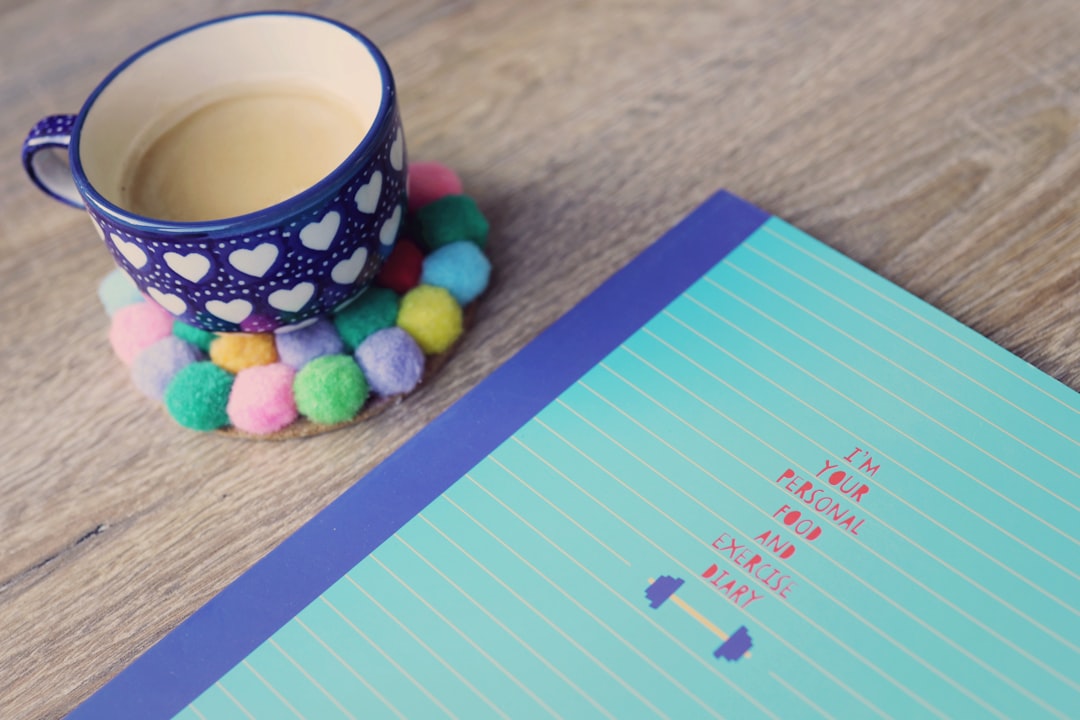
Choosing a starting weight does not require guessing or testing your maximum. This RPE-based guide shows how to use warm-up sets, target repetitions, exercise type, form quality, and available equipment to select a manageable load, then record each result so your next workout has a clear starting point.
Overview
The right starting weight is heavy enough to make the final repetitions challenging but light enough for controlled technique. For most strength-training sets, the goal is not to reach failure immediately. Instead, begin with a load that leaves a small reserve of good repetitions and adjust it based on what you feel and how you move.
A practical way to describe that reserve is RPE, or rate of perceived exertion. In lifting, RPE 10 generally means you could not complete another technically sound repetition. RPE 9 means you may have one good repetition left, RPE 8 means about two, and RPE 7 means about three. These are estimates, not laboratory measurements. Use them alongside repetition targets and form quality.
| Target | Useful starting effort | What it should feel like |
|---|---|---|
| 5–8 repetitions | RPE 6–8 | Challenging, with roughly two to four controlled repetitions in reserve |
| 8–12 repetitions | RPE 7–8 | The last repetitions require focus, but technique remains consistent |
| 12–20 repetitions | RPE 7–9 | Muscular fatigue builds without forcing speed, range, or posture to change |
| Technique practice | RPE 5–7 | Light enough to repeat the movement pattern accurately |
These ranges are starting points rather than rules. A technically demanding barbell lift, a single-leg exercise, or a new movement usually deserves a more conservative load than a familiar machine or dumbbell exercise. If you are new to lifting, prioritize repeatable form and learning the movement over lifting the heaviest available weight.
What to track
Use a step-by-step warm-up sequence
- Review the target. Write down the exercise, planned sets, repetition range, and any technique cue you want to emphasize.
- Start with a very light set. Use body weight, an empty bar, or the lightest practical dumbbells. Complete several smooth repetitions and check your range of motion.
- Add weight in small steps. Perform another warm-up set with a modest increase. Stop adding weight if your movement becomes rushed, unstable, painful, or noticeably different from the first repetitions.
- Choose a trial working weight. Select a load that you expect to place you around RPE 6 or 7 during the first set. This leaves room to adjust without turning the first attempt into a test.
- Complete the set and assess it. Record repetitions completed, estimated RPE, and whether every repetition met your form standard.
- Adjust before the next set. Add a small amount if the set was far easier than planned. Keep the load the same if effort and technique were appropriate. Reduce it if you missed the target, reached failure unexpectedly, or lost control.
Record more than the number on the plate
A useful progress log captures the information needed to make the next decision:
- Exercise and variation, such as goblet squat, front squat, or split squat
- Date, set number, load, and repetitions
- Estimated RPE or repetitions in reserve
- Form quality: consistent, slightly compromised, or stopped for technique
- Rest time, if it affected performance
- Notes about pain, unusual fatigue, equipment, or range of motion
- Next-session suggestion: repeat, increase, decrease, or change the variation
For example: Goblet squat — 20 kg — 10 reps — RPE 7 — form consistent — repeat or try 22 kg next session if the warm-up feels normal. This is more useful than recording “20 kg” alone because it explains why the load was appropriate.
Account for the exercise and equipment
Do not compare loads directly across exercises. A dumbbell press, barbell row, leg press, and Romanian deadlift place different demands on the body and use different equipment. When training at home, the next available dumbbell may be a large jump. In that case, progress with repetitions, slower control, a pause, or an additional set before increasing the load. These changes can support progressive overload without forcing an unsuitable weight.
Cadence and checkpoints
Use the warm-up and logging process every time you introduce a new exercise, begin a new training block, or return after a break. For familiar exercises, the first working set can act as the checkpoint for the rest of the session.
| Session result | Decision for the next set | Decision for the next workout |
|---|---|---|
| Target repetitions, RPE 6–8, consistent form | Keep the load or make a small increase if appropriate | Repeat or increase modestly |
| Target repetitions, very low effort | Add a small amount if technique remains strong | Increase gradually |
| Target missed or form breaks early | Reduce the load and complete controlled repetitions | Repeat the reduced load or review the variation |
| Unexpected fatigue across several sets | Stop adding weight; consider ending the exercise | Review sleep, recovery, rest times, and total training stress |
Review your log weekly when planning sessions and more fully at the end of a training block. Look for repeated patterns rather than reacting to one unusually strong or weak workout. A simple progression rule is to increase the load only after you can complete the upper end of your repetition range with consistent form and an appropriate RPE on the planned sets. The increase should be small enough that you can return to the lower end of the range without a major technique loss.
How to interpret changes
If the same weight feels easier over several sessions, that may indicate improved strength, better technique, longer rest, or greater familiarity with the movement. Treat it as useful information, but confirm it by completing the planned repetitions cleanly before increasing the load.
If performance drops once, avoid making a large correction. Check whether the exercise came later in the session, whether rest was shorter, or whether you were affected by poor sleep, stress, or an unusually demanding previous workout. If the drop continues across multiple sessions, reduce the load temporarily, use a less demanding variation, or reduce the number of sets.
Pain is different from normal effort and muscle fatigue. Stop an exercise if pain is sharp, worsening, or associated with numbness, instability, or a change in normal movement. A qualified health professional can help assess persistent or concerning symptoms. Do not use RPE to justify pushing through pain.
For exercise-specific technique decisions, review the deadlift form checklist or the guide to choosing a squat variation. Beginners who need a broader structure can pair this method with a progressive home strength plan or choose between a full-body and split routine.
When to revisit
Return to this process before each new exercise and at the start of every training block. Recheck your working weights after a planned break, a change in equipment, a major change in repetition targets, or a noticeable change in recovery. A monthly or quarterly review of your log can reveal whether loads are progressing, staying flat, or repeatedly causing form problems.
At your next workout, print or copy this quick log:
- Exercise and variation: __________
- Target repetitions and sets: __________
- Warm-up loads and repetitions: __________
- Working load: __________
- Repetitions completed: __________
- RPE or repetitions in reserve: __________
- Form quality: consistent / adjusted / stopped
- Next-session action: repeat / increase / decrease / change variation
Use the log to make one measured decision at a time. Starting weights should earn their place through controlled repetitions, not through a single impressive number. Consistent records make progressive overload clearer, reduce unnecessary guesswork, and give you a practical way to build strength while keeping technique and recovery in view.