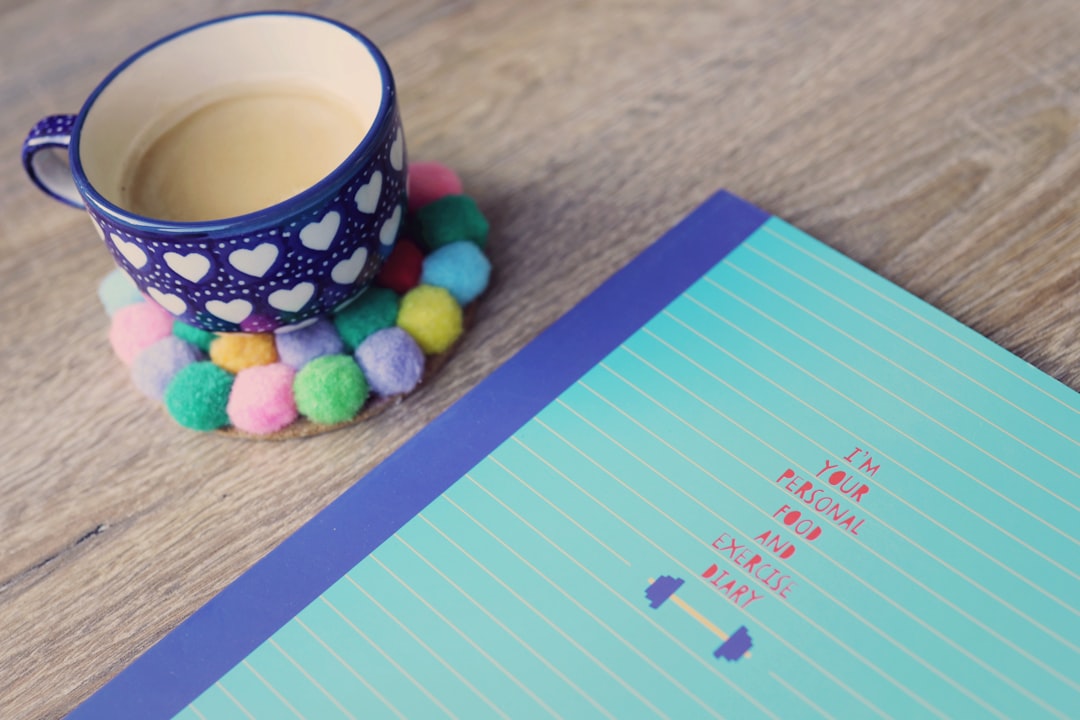
This 12-week home strength training plan helps you build muscle and strength with dumbbells, kettlebells, or bodyweight exercises—without a barbell. You will train three days per week, progress through three four-week microcycles, record the variables that matter, and retest key movements before choosing the next phase.
Overview
The plan uses full-body workouts because they are practical for home training and give each major movement pattern regular practice. Schedule three nonconsecutive sessions each week, such as Monday, Wednesday, and Friday. Leave at least one day between strength sessions when possible. Light walking, easy cardio, or mobility exercises can fit on the days between workouts.
You need a pair of dumbbells, adjustable dumbbells, kettlebells, or enough floor space for bodyweight exercises. A sturdy chair or bench may help with step-ups and split squats, but do not use furniture that moves, folds, or cannot support you safely. Select loads that allow controlled repetitions with approximately two good repetitions left at the end of each set during the first week.
Each workout begins with five to eight minutes of easy movement: marching, arm circles, bodyweight squats, hip hinges, and gentle lunges. Then complete the listed exercises in order. Rest about 60 to 120 seconds between demanding sets, using the longer end of the range when your breathing or technique needs more time.
Workout A
- Goblet squat or bodyweight squat: 3 sets
- Push-up or dumbbell floor press: 3 sets
- One-arm dumbbell row or backpack row: 3 sets per side
- Romanian deadlift with dumbbells or kettlebell: 3 sets
- Front plank: 2 to 3 sets of 20 to 45 seconds
Workout B
- Reverse lunge or split squat: 3 sets per side
- Standing dumbbell overhead press or pike push-up: 3 sets
- Glute bridge or hip thrust: 3 sets
- Inverted row, band row, or one-arm row: 3 sets
- Dead bug: 2 to 3 sets of 6 to 12 repetitions per side
Workout C
- Step-up, squat, or kettlebell deadlift: 3 sets
- Incline push-up, push-up, or dumbbell press: 3 sets
- Single-leg Romanian deadlift or regular Romanian deadlift: 3 sets per side when applicable
- Dumbbell row or supported row: 3 sets
- Side plank or suitcase carry: 2 to 3 sets per side
Use a variation that matches your current ability. A repetition is useful only when you can control the range of motion, keep a stable position, and stop before pain changes your movement. For detailed technique cues, see the strength exercise form guide.
What to track
Progressive overload at home does not require adding weight every session. Track enough information to identify whether the work is becoming more challenging while your form remains consistent.
- Exercise variation: Record the exact version, such as incline push-up, floor push-up, or feet-elevated push-up.
- Load: Write down the weight used for each dumbbell, kettlebell, or backpack. If the exercise is bodyweight-only, record the leverage or elevation.
- Sets and repetitions: Log every completed set rather than relying on memory.
- Effort: Note how many repetitions you believe you could have completed with good technique. Aim to finish most working sets with one to three repetitions in reserve.
- Form and discomfort: Mark whether the range of motion, balance, or tempo changed. Stop and adjust an exercise if you experience sharp, radiating, or worsening pain.
- Recovery: Record sleep quality, unusual soreness, and whether you felt ready to train. These notes help explain an unexpectedly weak session.
Printable weekly workout log
Copy this table into a notebook or print it for each week. A simple record is more useful than an elaborate system you will not maintain.
| Week/date | Workout | Exercise | Load | Sets × reps | Effort/form note |
|---|---|---|---|---|---|
| ____ | A / B / C | ____________ | ____ | ____________ | ____________ |
| ____ | A / B / C | ____________ | ____ | ____________ | ____________ |
| ____ | A / B / C | ____________ | ____ | ____________ | ____________ |
Exercise substitutions
| Pattern | Dumbbell or kettlebell | Bodyweight option |
|---|---|---|
| Squat | Goblet squat | Chair squat |
| Hinge | Romanian deadlift | Single-leg hip hinge |
| Horizontal push | Floor press | Incline or standard push-up |
| Vertical push | Overhead press | Pike push-up |
| Pull | One-arm row | Inverted row, if a secure setup is available |
| Knee-dominant single leg | Loaded split squat | Reverse lunge |
Cadence and checkpoints
Each four-week block has a different purpose. Keep the exercise variations stable long enough to learn them, then change the difficulty at the checkpoint rather than changing everything every week.
Weeks 1–4: establish control
Complete 2 to 3 sets of 8 to 12 repetitions for most exercises. Start at the lower end of the range and add repetitions only when technique stays consistent. For planks and carries, add five to ten seconds or a small amount of distance when appropriate. In week four, reduce the workload slightly early in the week if needed, then retest selected movements at the end of the week.
Weeks 5–8: add challenge
Choose one progression: add a small amount of load, add one set to a priority exercise, use a more difficult variation, or slow the lowering phase. Do not apply all four at once. Work mostly in the 6 to 12 repetition range for loaded movements and keep one to three good repetitions in reserve. Retest at the end of week eight.
Weeks 9–12: build capacity
Keep the main movement patterns but use the result of the second checkpoint to select the next variation. You might move from an incline push-up to a floor push-up, from a goblet squat to a heavier goblet squat, or from a two-leg bridge to a single-leg bridge. Use controlled sets of approximately 5 to 10 repetitions for challenging loaded exercises and 8 to 15 for moderate movements. Retest during week twelve rather than turning every session into a maximum-effort test.
At each checkpoint, choose two or three repeatable tests: maximum technically sound push-ups, a fixed-load goblet squat for repetitions, a timed plank, or a fixed-distance suitcase carry. Stop the test when form breaks down. Record the variation, load, repetitions or time, and date.
For scheduling support, use the weekly workout planner template. If muscle gain is a priority, consistent meals and adequate daily protein matter alongside training. A TDEE calculator can help you estimate daily calorie needs, but treat the result as a starting estimate and adjust based on your goals and observed progress.
How to interpret changes
Progress is not limited to a heavier dumbbell. You are moving forward when you can complete more repetitions at the same load, use the same repetitions with better control, increase the range of motion, or perform a harder variation without losing position. These improvements are especially important when equipment is limited.
If you complete the top of the repetition range for every set with several repetitions left in reserve, increase the load modestly or select the next harder variation. If you miss the lower end of the range, reduce the load, return to an easier variation, or extend rest periods. If performance falls for one session, repeat the previous target instead of forcing progression.
If performance declines for two or more sessions and soreness or fatigue remains high, take a lighter week: reduce sets by about one-third to one-half, keep movements easy, and resume gradually. Persistent pain, dizziness, chest pain, or unusual shortness of breath is a reason to stop exercise and seek appropriate medical guidance. This plan is general education, not individualized medical or rehabilitation advice.
Monthly progression chart
| Checkpoint | Test and variation | Result | Next adjustment |
|---|---|---|---|
| End of week 4 | ________________ | ________________ | Load / reps / variation: __________ |
| End of week 8 | ________________ | ________________ | Load / reps / variation: __________ |
| End of week 12 | ________________ | ________________ | Next phase: _____________________ |
When to revisit
Review your log after every workout, your weekly pattern at the end of each week, and your progression chart at the end of each four-week block. The main decision point is the checkpoint: repeat a phase if technique is still developing, progress one variable if the target feels manageable, or substitute an exercise if equipment, space, or discomfort makes the current version unsuitable.
After week twelve, take several easier sessions before beginning another cycle if you feel accumulated fatigue. Compare your first and final checkpoint using the same exercise, load, range of motion, and testing rules. Then select two or three priorities for the next 12-week muscle building program. Keep this article and your log accessible so you can return monthly, update your substitutions when equipment changes, and revise the plan when your recovery or training goal changes.
Start by scheduling the next three workouts, choosing your initial variations, and writing down the first week’s targets. The most effective home strength training plan is one you can perform safely, measure consistently, and progress patiently.