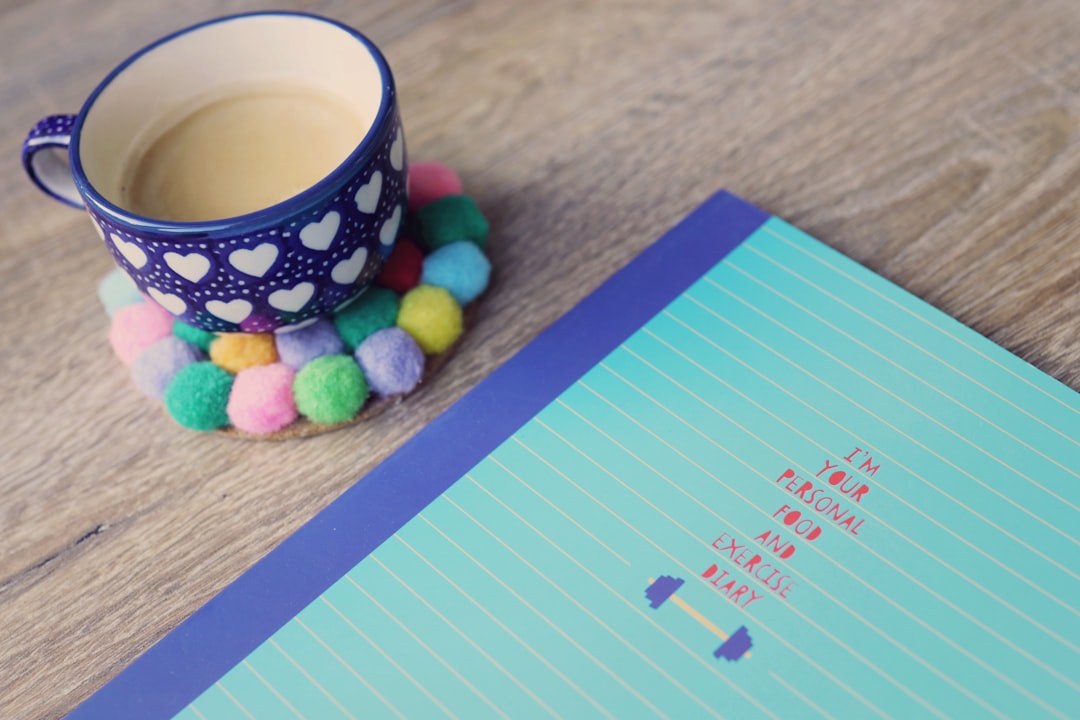
News: Community-Led Fitness Hubs Expand — The Return of Analog Group Training
Hook: In 2026, despite the proliferation of connected equipment and apps, communities are returning to physical hubs for learning and accountability. These hubs prioritize in-person craft and curated practice.
What's happening?
Across urban centers, small non-profit and for-profit fitness hubs are surfacing. They focus on hands-on coaching, peer feedback, and low-tech yet highly curated practice sessions. The move echoes broader cultural nostalgia about material experience and the value people place on tangible interaction — a trend covered by recent analyses on the analog comeback (Analog Comeback).
Case studies
- A co-op hub in Portland runs 6-week microcourses where community members co-learn barbell technique without digital augmentation.
- A London pop-up partners with local makers to run weekend skill clinics — a model similar to the Spring 2026 Pop-Up Series bringing maker markets back to neighborhoods (Spring 2026 Pop-Up Series).
- Studios in Southern Europe integrate sustainable travel packages catered to athletes, reflecting how sustainable tourism ideas reshape local offerings (How Sustainable Tourism is Reshaping Coastal Towns in Portugal).
Why this matters to coaches and brands
Brands that only invest in shiny tech risk missing durable community bonds. Coaches who build hybrid models — blending tech for measurement and analog spaces for skill mastery — create stickiness and long-term retention. The Threadly interview about focused communities shows how curation and governance are central to trust in these groups (Threadly Interview).
How to participate (for coaches)
- Host low-cost maker-style clinics to introduce tactile practice.
- Bundle short mentorship sessions for junior coaches to gain governance skills (Mentorship Session Templates).
- Leverage local culture and sustainability frameworks to build genuine partnerships (Sustainable Travel Tips).
Business model notes
Smaller hubs rely on micro-grants, community memberships, and workshops. Nontraditional funding like micro-grants for classroom innovation has proven effective in related community sectors — consider similar funding instruments (GoldStars Club Micro-Grants).
"The most effective learning happens when hands, heads, and hearts are engaged together." — Community Hub Founder
Where this trend goes next
Expect an expansion of hybrid events, pop-up series, and durable local learning nodes as people seek meaning beyond screens. For coaches and product teams, the opportunity is to design offerings that respect analog craft while using digital tools to reduce friction.
Related Reading
- Animal Crossing 3.0 Deep Dive: How the Resort Hotel, Lego Items, and Crossovers Change Island Life
- What Long-Battery Smartwatches Teach Us About Designing Multi-Week Pet Trackers
- Winter Comfort: Pairing Hot-Water Bottles with Aloe Foot Balms for Cozy, Hydrated Skin
- Discoverability in 2026: A Playbook for Digital PR That Wins Social and AI Answers
- Tim Cain’s 9 Quest Types: A Cheat Sheet for Gamers and Modders