The best workout split is the one that matches your available training days, recovery capacity, equipment, and primary goal. This guide compares full-body, upper-lower, push-pull-legs, and body-part routines, then gives you practical templates and a simple tracking system for adjusting your plan over time.
Overview
A workout split organizes your weekly strength training by movement pattern, body region, or training goal. It does not determine success by itself. Exercise selection, effort, technique, recovery, nutrition, and consistency matter more than choosing a fashionable routine.
Start with the number of sessions you can complete reliably. If you can train twice or three times per week, a full-body workout is often the most efficient choice because each session can include the major movement patterns. With four available days, an upper-lower workout split offers a useful balance between frequency and session length. Push-pull-legs can work well when you regularly have three to six training opportunities, while a body-part split usually makes the most sense for experienced lifters who prefer shorter sessions focused on specific muscles.
Quick comparison
- Full body: Train most major muscle groups in each session. Best for beginners, changing schedules, home workouts, and people training two to three days weekly.
- Upper-lower: Alternate upper-body and lower-body sessions. Best for four-day gym workout routines and balanced strength or muscle-building progress.
- Push-pull-legs: Group pushing, pulling, and lower-body exercises. Best for people who can train consistently at least three days weekly and want more room for exercise variety.
- Body-part split: Give each session a narrow emphasis, such as chest, back, legs, or shoulders. Best for experienced trainees who can manage training volume and attend the gym frequently.
For a beginner, the best workout split is usually the simplest plan that can be repeated with good form. A full-body routine also makes it easier to practice foundational exercises regularly. A four-week full-body workout plan for beginners can provide a structured starting point.
Choose by schedule first
Build around your real calendar rather than an ideal week. Two dependable sessions are more useful than planning six and completing three. If your schedule changes often, use a rotating sequence instead of assigning sessions to fixed weekdays. For example, complete Full Body A, then Full Body B, then Full Body A again whenever you train. The following week, continue with Full Body B.
What to track
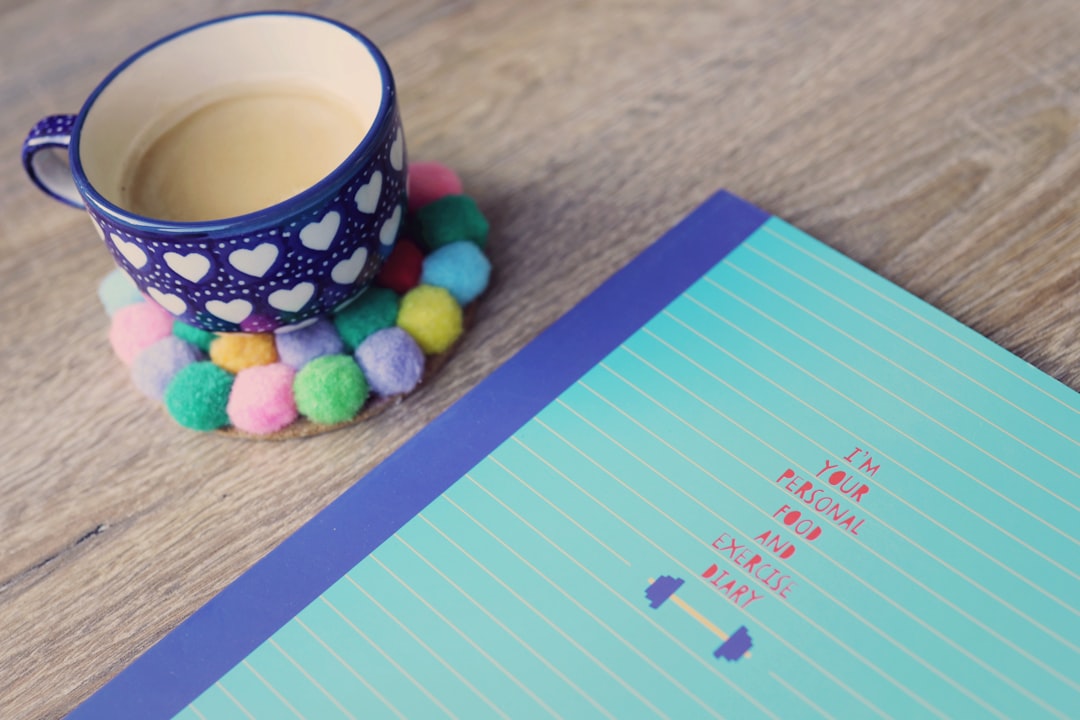
A useful tracker should show whether your routine is sustainable and whether performance is moving in the intended direction. Record enough information to make decisions, but not so much that logging becomes a burden.
1. Training frequency and attendance
Write down the planned sessions and the sessions completed. Also note whether a workout was shortened, moved, or skipped. This reveals whether the split fits your life. A routine that looks excellent on paper but is frequently missed needs adjustment.
2. Exercises, sets, repetitions, and load
For each main exercise, record the variation, number of sets, repetitions, and resistance used. Include bodyweight exercises by recording repetitions and, when relevant, added load. Use the same exercise variation for several weeks when possible so that comparisons are meaningful.
3. Effort and technique
Record a brief effort rating, such as easy, challenging, or near your limit. You can also use repetitions in reserve: an estimate of how many technically sound repetitions you could have completed at the end of a set. The exact number is less important than using the same scale consistently. Add a note when form changes, range of motion shortens, or pain appears.
4. Recovery signals
Track sleep quality, general fatigue, soreness, motivation, and any joint irritation with short notes. These signals help explain a stalled lift. A performance dip after a demanding week may call for more recovery, while repeated fatigue across several weeks may indicate excessive volume or poor exercise spacing.
5. Goal-specific measures
For strength, track performance on a few consistent compound movements. For muscle building, monitor exercise performance, body measurements, photos under similar conditions, and how clothing fits. For fat loss, use a trend from repeated body-weight measurements rather than a single reading, while continuing to monitor strength and recovery. If nutrition is part of the plan, a TDEE calculator guide can help you estimate daily calorie needs before you make gradual adjustments.
Keep a weekly summary with four lines: sessions completed, key performance changes, recovery status, and one action for the next week. This is usually more useful than collecting data without reviewing it.
Cadence and checkpoints
Review the plan at three different intervals. The daily log supports immediate decisions, the weekly review catches practical problems, and the monthly or quarterly review helps you decide whether the split still fits your goal.
Before each session
Check your available time, energy, and any areas that remain sore. If you are unusually fatigued, keep the session but reduce the number of accessory sets or stop sets farther from technical failure. If a movement causes pain rather than normal training effort, substitute a comfortable variation and consider professional assessment when symptoms persist.
At the end of each week
Ask three questions:
- Did I complete the number of sessions the split requires?
- Did performance hold steady or improve on most key exercises?
- Did recovery feel manageable before the next exposure?
If attendance is low because sessions are too long, remove low-priority accessories before abandoning the split. If one muscle group is consistently sore when it is scheduled again, increase spacing or reduce its direct volume.
Every four to six weeks
Compare your current training log with the previous block. Look for trends rather than isolated workouts: repeated improvements, stable performance, declining repetitions at the same load, or growing discomfort. You can then change one variable, such as weekly sets, exercise order, rest periods, or training days. Changing everything at once makes it difficult to identify what helped.
Every quarter
Review whether the original goal still matters. A routine designed for muscle building may need a different emphasis before a sport season, a busy work period, or a fat-loss phase. Your available equipment may also change. A dumbbell-based upper-lower plan can be replaced with bodyweight exercises or a full-body home workout when access to a gym is limited.
How to interpret changes
When progress is steady
Keep the split and progress gradually. Add a small amount of resistance, one repetition, or an additional set only when your technique remains consistent and recovery is acceptable. You do not need to increase every exercise every session. Progress may also mean cleaner repetitions, greater range of motion, or completing the same work with less fatigue.
When performance stalls
First check the basics: missed sessions, inconsistent exercise technique, insufficient rest between sets, reduced sleep, and abrupt nutrition changes. Next, check whether the same muscles are being trained hard on consecutive days. If the routine is otherwise consistent, try reducing accessory volume for a week or using a less demanding exercise variation before adding more work.
When the split feels too easy
Do not automatically add exercises. Confirm that sets are challenging enough, that the target muscles are doing the work, and that you are using a controlled range of motion. Then consider adding a set to a priority movement, increasing repetitions within your chosen range, or improving load progression.
When the split feels too demanding
Shorten the session by keeping the main lifts and removing redundant accessories. Reduce weekly sets for the most fatigued muscle group, add a rest day, or change from a six-day push-pull-legs schedule to a three-day rotation. A plan that supports recovery is more useful than a plan with the highest theoretical volume.
Templates for common schedules
Two days: Full Body A and Full Body B, with a squat or leg press, a hinge, a horizontal push, a row or pull, and optional core or mobility work in each session.
Three days: Full Body A, Full Body B, and Full Body C. Change the exercise variations slightly while keeping the main movement patterns consistent.
Four days: Upper A, Lower A, rest, Upper B, Lower B. Place rest days where they fit your calendar, not necessarily in the middle of the week.
Three to six days: Push, Pull, Legs, then repeat only when recovery and attendance support it. If you miss a day, continue with the next session rather than cramming two workouts together.
For muscle-building details on exercise selection and weekly sets, review this hypertrophy training guide. For beginners who want a longer progression framework, see strength training for beginners.
When to revisit
Revisit your workout split at the end of each four- to six-week training block, and complete a broader review every three months. You should also reassess sooner when your work schedule, equipment, sleep, sport commitments, or main goal changes.
Use this practical reset:
- Write down the number of sessions you can realistically complete in an average week.
- Choose the simplest split that trains your priorities within that number.
- List three to six primary exercises and define how you will progress them.
- Set a manageable starting volume, leaving room to add work later.
- Record attendance, performance, effort, recovery, and discomfort after each session.
- Review the log weekly and make only one meaningful change at a time.
Keep the current split if attendance, performance, and recovery are all acceptable. Modify it if one of those areas repeatedly declines. When in doubt, reduce complexity before adding more training. A consistent full-body routine can outperform a complicated split that does not survive your schedule. Support your plan with regular mobility work, such as this 10-minute daily mobility routine, and return to this tracker whenever your circumstances or results change.