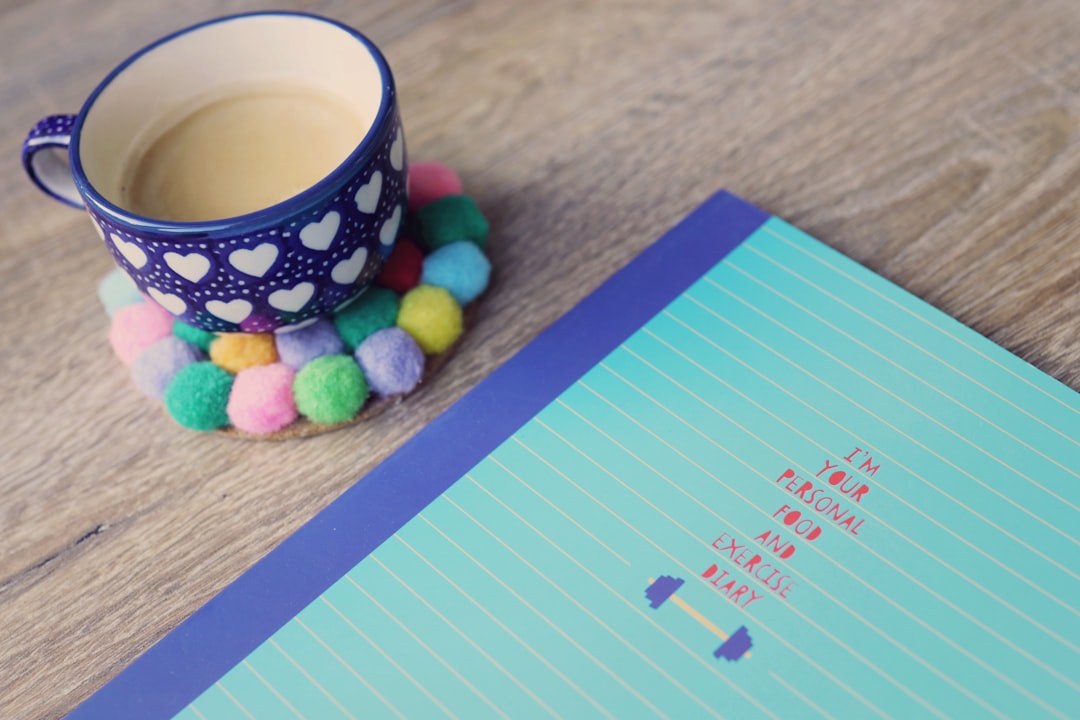
Starting a lifting routine is usually less confusing once you stop looking for the perfect program and start following a simple one long enough to learn from it. This 12-week beginner strength training plan is built to do exactly that. It gives you a clear weekly structure, simple progression rules, practical exercise form priorities, and built-in checkpoints so you can revisit the plan as your confidence, technique, and strength improve. If you are new to the gym or returning after a long break, use this guide as a steady reference rather than a one-time read.
Overview
This plan gives beginners a repeatable path: train three days per week, focus on a small group of foundational lifts, progress in manageable steps, and review your results every four weeks. The goal is not to chase fatigue. The goal is to build skill, muscle, and consistency.
A beginner lifting program works best when it keeps the moving parts limited. That means you do not need a complicated workout split, a giant exercise menu, or constant variation. You need enough practice on the best exercises to improve your form and enough training volume to encourage muscle building for beginners without making recovery feel impossible.
Who this plan is for:
- Adults with little or no recent strength training experience
- People who can train three nonconsecutive days per week
- Anyone who wants a practical gym plan for beginners focused on strength and confidence
- Lifters who prefer simple progression over random workouts
What you will need:
- A gym with dumbbells, cables, benches, and basic machines, or a home setup with adjustable dumbbells and bands
- About 45 to 70 minutes per session
- A notebook or app to record weight, reps, and effort
How hard should the sets feel? For most work sets, stop with about 1 to 3 reps left in reserve. In practical terms, each set should feel challenging but controlled. Beginners usually progress faster by leaving a little room instead of grinding every set to failure.
Weekly schedule:
- Day 1: Full body A
- Day 2: Full body B
- Day 3: Full body A in week 1, then alternate so each workout appears evenly over time
This full body workout format is efficient because beginners benefit from practicing the main movement patterns more than once per week. It also keeps missed sessions from derailing the whole plan.
Warm-up before every session:
- 5 minutes of easy cardio
- 1 to 2 mobility drills for tight areas, such as hips, ankles, or shoulders
- 2 to 4 lighter warm-up sets before your first big lift
Workout A
- Goblet squat or leg press: 3 sets of 8 to 10
- Dumbbell bench press or machine chest press: 3 sets of 8 to 10
- Seated row or chest-supported row: 3 sets of 8 to 12
- Romanian deadlift with dumbbells: 3 sets of 8 to 10
- Plank or dead bug: 2 to 3 sets
- Optional biceps curl: 2 sets of 10 to 12
Workout B
- Trap-bar deadlift, kettlebell deadlift, or hip hinge machine: 3 sets of 5 to 8
- Dumbbell shoulder press or machine press: 3 sets of 8 to 10
- Lat pulldown or assisted pull-up: 3 sets of 8 to 12
- Split squat or step-up: 2 to 3 sets of 8 to 10 each side
- Cable face pull or rear delt raise: 2 to 3 sets of 12 to 15
- Farmer carry or side plank: 2 to 3 sets
If a barbell feels intimidating, keep the same movement pattern and use a beginner-friendly variation. That is still strength training for beginners. The plan is defined by movement quality, progression, and consistency, not by any one tool.
For extra guidance on weekly set targets and exercise selection, see the Hypertrophy Training Guide: Best Rep Ranges, Weekly Sets, and Exercise Selection.
Maintenance cycle
This section shows you how to run the full 12 week strength plan and how to refresh it every four weeks. The built-in maintenance cycle is what makes this article worth revisiting: every phase has a slightly different job, and each review point tells you what to keep, change, or simplify.
Weeks 1 to 4: Learn the lifts and build the habit
Your main target in the first month is repetition quality. Use conservative loads and aim to finish every session feeling like you could have done a little more. That is a feature, not a flaw.
Progression rule: When you hit the top of the rep range for all sets with solid form, increase the load the next time by the smallest practical amount. If you miss the target, keep the same load until it feels more stable.
Examples:
- If you do 3 sets of 10 goblet squats with good control, add a little weight next session
- If your dumbbell bench press goes 10, 8, 7, keep the same weight next time and try to beat those reps
What to track:
- Workout completion
- Load used
- Reps performed
- Basic notes on form and energy
At the end of week 4, ask:
- Did I complete at least 9 of 12 planned sessions?
- Do the main lifts feel more coordinated?
- Have I added reps or weight to most exercises?
If the answer is mostly yes, continue. If not, do not overhaul the program. First improve sleep, workout timing, and logging accuracy.
Weeks 5 to 8: Add load gradually and tighten technique
In the second month, your confidence should rise enough to challenge yourself a bit more. Keep the exercise menu mostly the same, but consider one small upgrade if needed. For example, a goblet squat might become a dumbbell front squat, or a kettlebell deadlift might become a trap-bar deadlift.
Progression rule: Keep the same double-progression model, but start treating top sets more seriously. Your final set on compound lifts can approach a hard effort while still leaving 1 to 2 reps in reserve.
Week 5 to 8 adjustments:
- Add one set to a main lift if recovery is good
- Keep rest periods consistent, usually 90 to 150 seconds on compound lifts and 45 to 90 seconds on smaller movements
- Reduce unnecessary exercise swapping
This phase is where many beginners get distracted. They feel better, so they start adding extra arm work, random cardio intervals, or advanced techniques. Resist that urge. A beginner lifting program usually works because it is boring enough to repeat.
If you want to round out your accessory choices, the Best Exercises for Glutes and Best Exercises for Core Strength guides can help you plug in one or two targeted movements without losing the plan's structure.
Weeks 9 to 12: Consolidate progress and prepare the next block
The final month is about proving that your progress is repeatable. You do not need a dramatic peak. You need cleaner reps with more load than week 1, better body awareness, and enough consistency to know you can continue.
Progression rule: Push for small improvements where they are available, but do not force jumps in every exercise. Some lifts may go up in load. Others may improve through smoother reps, fuller range of motion, or shorter rest between sets.
End-of-block goals:
- Most main lifts improved by weight, reps, or control
- Your workout log shows at least 75 to 85 percent adherence
- You feel comfortable adjusting loads without guessing wildly
- You know which lifts fit your body and which substitutions work better
At the end of week 12, take a lighter week if needed. Reduce loads and total sets, then decide whether to repeat the program with slightly harder variations or move to a more defined hypertrophy or strength-focused split.
If your goal also includes changing body composition, the Body Recomposition Guide: Build Muscle and Lose Fat at the Same Time is a useful companion read.
Signals that require updates
This section helps you decide when to adjust the plan instead of blindly repeating it. A good 12 week strength plan is stable, but not rigid. You should update it when your body, schedule, or goals change in meaningful ways.
1. You have stalled on the same lift for three or more exposures
If your reps and load have not improved for several sessions, first check basics: sleep, nutrition, rest time, and form. If those are in order, reduce the load slightly and build back up, or swap to a closely related variation.
2. Your form breaks down before the target muscles do
This is common with deadlifts, split squats, and presses. If technique is the limiting factor, the exercise is still useful, but the variation may not be ideal right now. Change the setup, lower the load, or use a more supported version.
3. Recovery is consistently poor
Sore muscles are normal. Persistent fatigue, poor motivation, and declining performance across multiple sessions suggest that the plan is no longer matching your recovery capacity. Trim one accessory exercise or one set from each main lift for a week and reassess.
4. Your schedule changes
A three-day gym routine can become a two-day plan temporarily by alternating Workout A and Workout B across the week and keeping the main lifts. If you are training at home, use dumbbell exercises and bodyweight exercises that preserve the same squat, hinge, push, pull, and core structure.
For no-gym substitutions, visit Bodyweight Exercises by Muscle Group: The Best No-Gym Moves for Home Training.
5. Your goal shifts from general strength to another priority
If endurance training, running, or fat loss becomes the main focus, your lifting plan may need less volume and more maintenance work. That does not mean you stop strength training. It means the plan serves the larger goal.
Related reading: How to Start Running, Zone 2 Cardio Guide, How to Increase VO2 Max, Walking for Weight Loss, and Best Low-Impact Cardio Exercises.
Common issues
Beginners rarely fail because the plan is too simple. More often, progress stalls because a few manageable problems keep repeating. Here is how to troubleshoot them without abandoning the program.
Problem: I do not know how much weight to start with
Use a load that lets you complete all planned reps with steady control and no dramatic slowdown until the last few reps. If you finish a set and feel like you could do 5 or more extra reps, it is probably too light. If your form changes by rep 4, it is too heavy.
Problem: I am sore for days after each workout
That usually means the starting volume was too high, the loads were too aggressive, or the movements were unfamiliar. Keep the same exercises, but reduce one set from each lower-body movement for a week. Soreness should ease as your body adapts.
Problem: I keep switching exercises because I get bored
Variety feels productive, but beginners often benefit more from repeating the same core lifts. Keep the main patterns stable for at least four weeks. If you want variety, change one accessory movement at a time.
Problem: I miss workouts and then feel like the week is ruined
Do not restart the entire plan. Just perform the next scheduled session. Momentum matters more than calendar perfection. A good gym plan for beginners should survive real life.
Problem: I am afraid of poor form or injury
Use stable exercise variations, leave reps in reserve, and film a few sets for self-review. Controlled reps, sensible loads, and consistent setup habits lower risk far more than chasing advanced cues.
Problem: I want faster muscle gain
Faster often means sloppier. To support muscle building for beginners, focus on four basics: adequate protein, enough total calories for your goal, progressive overload, and sleep. If you are trying to lose fat while lifting, expect progress to be slower but still meaningful.
When to revisit
Use this article as a working document rather than a one-time plan. The easiest way to stay consistent is to revisit it on a schedule and make small, specific decisions instead of emotional ones.
Revisit weekly to:
- Log your loads and reps
- Check whether you progressed on at least one main lift
- Confirm that the next week's training days are blocked on your calendar
- Spot any exercises causing discomfort or confusion
Revisit every 4 weeks to:
- Compare current lifts to your first week
- Decide whether one exercise needs a better-fitting variation
- Add a set only if recovery and adherence are solid
- Adjust expectations if life stress, sleep, or nutrition has changed
Revisit at 12 weeks to:
- Repeat the plan with slightly heavier starting loads
- Move to a more specific strength or hypertrophy phase
- Shift to a home workout version if your routine changed
- Reduce volume for a week before starting your next block
Your practical next step: Save this plan, start with the lightest loads that let you practice clean form, and commit to logging every workout for the next four weeks. At the end of that first month, return to the maintenance cycle section and make only the smallest necessary adjustments. That is how beginners build strength with less confusion and more confidence.