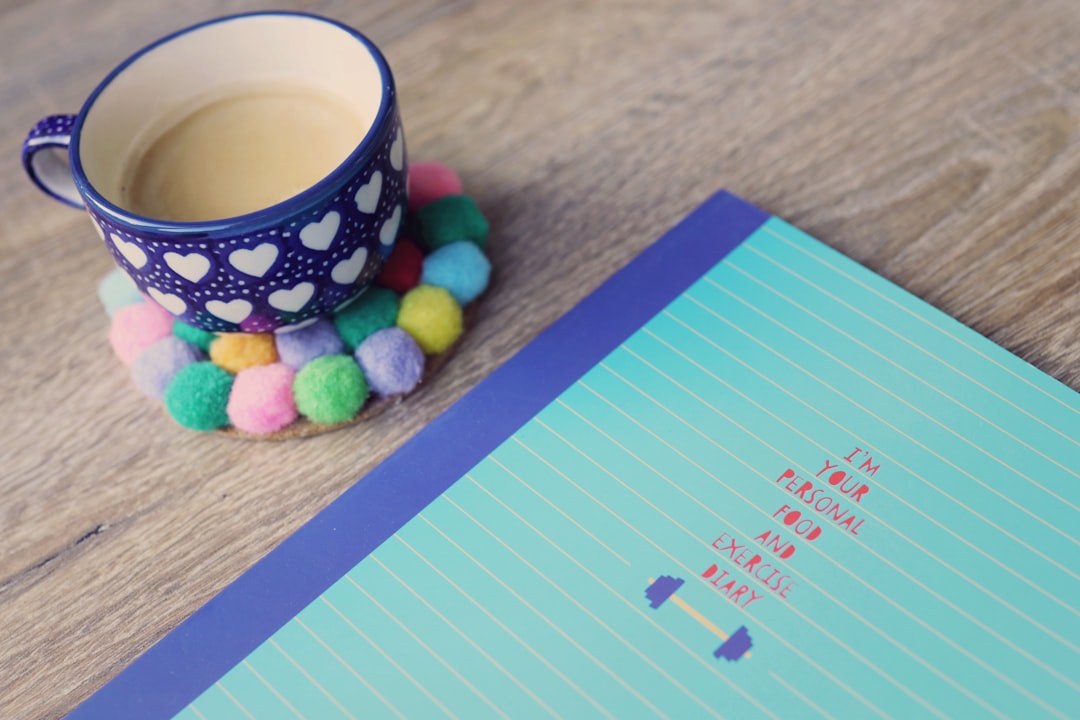
If you want a simple beginner workout plan that actually helps you stick with home workouts, this guide is built for you. The goal is not to crush yourself with complicated routines; it’s to create a realistic home fitness program that teaches movement, builds confidence, and gradually applies a smart progressive overload plan. If you’re brand new to exercise, consistency matters more than intensity in the first few weeks, and that’s exactly why this plan starts small and progresses on purpose. For a broader overview of how structured training works, you may also like our guide to periodization and training blocks.
This program uses a mix of bodyweight exercises, simple movement patterns, and optional household items so you can train with little to no equipment. You’ll also get exercise substitutions, short video-style coaching cues, recovery guidance, and a practical tracking system that makes progress visible even before the mirror changes. If you’re still figuring out what matters in a smart routine, our article on industry-led content and trust explains why expert structure matters more than flashy trends. The point here is to give you a durable system you can return to, adapt, and repeat.
Throughout the plan, think of each workout as practice. The first win is showing up, the second is moving with better control, and the third is doing a little more than last week without losing form. That’s how beginners build momentum safely. When you’re ready to evaluate your routine like a coach would, the checklist in periodization with real feedback is a useful companion.
How This 8-Week Plan Works
The training structure
This plan uses three full-body sessions per week, plus two lighter recovery or mobility days. That balance is ideal for beginners because it gives you enough practice to improve without burying you in fatigue. Each workout includes a squat pattern, push pattern, hinge pattern, core work, and a conditioning or mobility finisher. Those movement patterns are the foundation of nearly every effective routine, whether you eventually train at home or in a gym.
We’ll progress volume, tempo, range of motion, and exercise difficulty over eight weeks. In other words, you’ll apply overload without needing heavy weights. This is important because beginners often think progress only happens when workouts feel brutal, but the real driver is repeated, slightly harder effort over time. If you want a deeper look at how plans should evolve, read our guide on timing training blocks with feedback.
Who this program is for
This plan is designed for absolute beginners, returning exercisers, and busy adults who need a no-nonsense routine they can do at home. If you’re worried about confidence, coordination, or whether you’ll “do it right,” this plan is intentionally forgiving. You will see options for easier and harder versions of each exercise so you can match the workout to your current level.
It also works well if you want a no equipment workout but still need enough structure to avoid random, ineffective sessions. You don’t need a perfect setup, expensive gear, or a huge block of time. If you’re building a small-space routine, our article on choosing props for small spaces can help you decide whether a mat, band, or light dumbbells are worth adding later.
What you should expect
In eight weeks, a beginner can realistically improve movement quality, increase work capacity, reduce soreness between sessions, and build a strong consistency habit. You may also notice better posture, more energy, and improved confidence around exercise. You should not expect dramatic body transformation overnight, but you should expect measurable progress if you do the work.
That progress is easier to recognize when you track it. We’ll cover simple metrics like reps, perceived effort, rest time, and how the exercises feel. If you like a data-based approach, our article on data-driven training feedback is a helpful reference point.
Before You Start: Safety, Setup, and Recovery Basics
Create your training space
One of the best things you can do for consistency is make your workout environment obvious and ready. Clear enough space for a yoga mat or towel, keep water nearby, and place your timer where you can see it. If you have a chair, couch edge, or sturdy countertop, you already have the main support tools this program needs.
Simple setup reduces friction, which means fewer excuses and better follow-through. Think of it like preparing a small kitchen before cooking: when tools are in reach, the task feels easier. For a practical approach to organizing a home space for repeated use, the article on turning a small home kitchen into a prep zone uses the same principle of setup-first efficiency.
Use the recovery basics from day one
Beginners often overfocus on the workout and underfocus on recovery, but adaptation happens after training, not during it. Aim for 7 to 9 hours of sleep, drink enough water, and leave at least one day between harder full-body sessions. Gentle walking, light stretching, and breathing work can all help you recover without adding stress.
Recovery also means not chasing soreness as proof of success. If you finish a workout feeling like you could have done one more round with decent form, that is usually a better sign than limping around for three days. For a broader reminder that smart systems beat hype, see why expertise-based guidance earns trust.
Know when to scale down
If you feel sharp pain, dizziness, joint pain that changes how you move, or unusual shortness of breath, stop and reassess. Beginners should feel challenged, not alarmed. Mild muscle fatigue and a little next-day stiffness are normal; pain that worsens or lingers is not.
When in doubt, reduce the range of motion, slow the pace, or use an easier variation. A sustainable plan is one you can repeat week after week. That principle also shows up in other risk-aware guides like practical safety planning under uncertainty, where the best outcomes come from controlled decisions, not impulsive ones.
The Weekly Workout Framework
Weekly schedule
This is the base weekly rhythm you’ll repeat for eight weeks:
Monday: Workout A
Tuesday: Recovery walk or mobility
Wednesday: Workout B
Thursday: Recovery walk or mobility
Friday: Workout A or C depending on the week
Saturday: Optional light cardio, mobility, or technique practice
Sunday: Rest
This structure creates a predictable routine, which is one of the strongest consistency tools available to beginners. If you prefer planning around real-life unpredictability, the workflow logic in short-term team planning offers a useful analogy: the best system is the one that works when time is tight.
Workout format
Each workout lasts about 20 to 35 minutes. You’ll start with a 5-minute warm-up, perform the main circuit, and finish with a short cool-down. Most exercises use 2 to 3 sets, and reps are kept moderate so the focus stays on form.
For each movement, choose a version that lets you complete the set with 2 to 3 good reps left in reserve. That keeps effort high enough to stimulate adaptation while still protecting technique. If you want a better framework for comparing options, our guide to training feedback and block timing will help you think like a planner rather than a guesser.
Warm-up and cool-down
Your warm-up should gradually raise body temperature and prepare joints for movement. Start with marching in place, arm circles, hip hinges, bodyweight squats to a comfortable depth, and easy incline push-ups against a wall or counter. The cool-down can be as simple as slow breathing, light stretching for the hips and chest, and a brief walk around the room.
These bookends matter because they help you feel better during and after training, especially in the first few weeks when your body is adapting quickly. If you want more guidance on movement setup and space-saving equipment ideas, see how to choose the right props for small spaces.
The 8-Week Beginner Progression Plan
Weeks 1-2: Learn the movements
In the first two weeks, the goal is to practice the basic patterns and leave the workout feeling successful. Do 2 sets of each exercise and keep rest periods around 60 to 90 seconds. Focus on breathing, posture, and smooth control instead of speed.
Workout A: Chair squat, incline push-up, glute bridge, dead bug, and marching in place.
Workout B: Hip hinge to wall, wall push-up, reverse lunge hold, bird dog, and side step jacks.
Workout C: Squat to chair, countertop push-up, single-leg glute bridge, plank on knees, and brisk walk intervals.
Think of these weeks as skill practice. You’re teaching your nervous system the movement map, and that work pays off later when load and volume increase. For anyone curious about structured progression, feedback-based periodization is the best model to borrow.
Weeks 3-4: Add volume and control
Now increase to 3 sets on the main exercises and slow the lowering phase to about 3 seconds on squats and push-ups. That simple tempo change makes light exercises more challenging without adding equipment. You can also reduce support slightly, such as moving from wall push-ups to countertop push-ups or from chair squats to free bodyweight squats.
During this phase, beginners often realize that “easy” exercises become hard when done correctly. That’s a good thing, because improved control is one of the clearest signs that you’re learning. If you enjoy seeing how expert structure improves trust and results, our article on industry-led expertise explains why sound programming beats novelty.
Weeks 5-6: Increase range, reps, or difficulty
Now your body is ready for a gentle overload bump. You can add 1 to 3 reps per set, deepen the squat as mobility allows, or switch to a slightly harder variation like knee push-ups, split squats, or a longer plank hold. The idea is to make one variable harder at a time so your form stays intact.
This is where tracking matters most. If you record your reps, version of the exercise, and perceived effort, you’ll know whether you’re improving instead of guessing. That mirrors the same principle behind reliable planning systems like the one discussed in periodization meets data.
Weeks 7-8: Consolidate and test progress
In the final two weeks, keep the same exercises but challenge yourself to do them more smoothly, with less rest, or with slightly higher volume. This is the best time to test a “clean form” benchmark, not a max-out test. For example, see how many well-controlled chair squats you can complete in one minute, or how long you can hold a solid plank on your knees without collapsing.
By this stage, consistency should feel more automatic. The workouts may still be challenging, but the process should be familiar and less intimidating. That’s the real confidence gain: not that exercise becomes effortless, but that it becomes manageable and predictable.
Workout Library: Exercise Instructions, Alternatives, and Form Cues
Squat pattern
The squat is a fundamental lower-body movement that trains your legs, hips, and trunk together. Start by sitting back toward a chair, keeping your chest proud and your knees tracking roughly in line with your toes. For beginners, the chair squat is often the best entry point because it provides a clear target and reduces fear of falling.
Alternatives: chair squat, box squat, partial squat, and free bodyweight squat. If your knees feel sensitive, reduce depth and slow down the descent. If you need more structure around movement quality, the mindset behind training with feedback is especially useful here.
Push pattern
The push-up family builds pressing strength in the chest, shoulders, and triceps. Beginners should start with wall push-ups or countertop push-ups so the movement is easier and easier to control. Keep your body in a straight line from head to heels or knees, and lower under control instead of collapsing into the bottom position.
Alternatives: wall push-up, countertop push-up, knee push-up, full push-up. If wrist comfort is an issue, use a countertop, fists, or hands on dumbbells later. Short exercise video cues you’d want to see here are simple: “body straight,” “elbows about 30 to 45 degrees from your sides,” and “press the floor away.”
Hinge and glute work
The hinge teaches you to bend at the hips while keeping the spine long, which is essential for everyday movement and long-term strength. Start by pushing your hips back as if closing a car door with your butt, then return by squeezing your glutes. Glute bridges reinforce hip extension and are especially helpful if you sit a lot.
Alternatives: wall hinge, hip hinge to reach, glute bridge, single-leg glute bridge with support. The main coaching cue is to avoid rounding the back or turning it into a squat. If you’re building a home routine that may eventually include props, small-space equipment choices can help you keep things minimal and useful.
Core stability
Core training for beginners should focus on stability, not endless crunches. Dead bugs, bird dogs, and planks teach your torso to resist movement, which supports safer lifting and better posture. Move slowly and stop the rep before your lower back starts arching or your hips start twisting.
Alternatives: dead bug, bird dog, knee plank, side plank from knees. If you’ve never trained your core this way, expect the movement to feel more difficult than it looks. That’s normal, and the goal is quality rather than quantity.
Detailed Weekly Plan and Progression Table
| Week | Goal | Sets/Reps | Main Progression | Recovery Focus |
|---|---|---|---|---|
| 1 | Learn movement patterns | 2 x 6-8 | Use easiest variation available | Light walking, gentle stretching |
| 2 | Build routine | 2 x 8-10 | Improve rhythm and control | Sleep consistency, hydration |
| 3 | Add workload | 3 x 6-8 | Increase total sets | Extra rest between hard days |
| 4 | Add tempo control | 3 x 8-10 | 3-second lowering phase | Mobility and breathing work |
| 5 | Increase challenge | 3 x 8-12 | Harder variation or more reps | Maintain daily steps |
| 6 | Improve endurance | 3 x 10-12 | Shorten rest by 10-15 sec | More protein, more water |
| 7 | Refine form | 3 x 8-12 | Cleaner reps, better range | Prioritize sleep and recovery |
| 8 | Test progress | 2-3 x best quality | Benchmark reps/time | Easy week feel, not max effort |
This table gives you a clear progressive overload plan without the guesswork. The progression is intentionally modest because beginners do best when the stimulus increases steadily and recovery stays intact. If you like systems that respond to real-world data, the thinking in feedback-based periodization is the same principle applied to training.
How to Track Results Without Getting Obsessed
Use a simple workout log
Track the date, workout completed, exercise variation, reps, sets, and how hard it felt on a 1 to 10 scale. That’s enough to see meaningful progress over time. You do not need advanced software or a complicated spreadsheet to benefit from tracking; consistency beats complexity.
Write down one technical note too, such as “knees stayed aligned” or “push-ups felt easier on the countertop.” These notes are often more valuable than bodyweight alone, especially in the first two months. For a broader perspective on how data can sharpen decisions, check out training with real feedback.
Track more than scale weight
Beginners often expect the scale to tell the full story, but exercise progress shows up in several ways. You may notice better energy, stronger posture, deeper squats, fewer rest breaks, and improved mood. These outcomes can appear before visible physique changes.
If fat loss is one of your goals, combine training with basic nutrition consistency: protein at each meal, reasonable portions, and enough overall calories to support recovery. If you’re interested in simple food systems that make healthy eating easier, our guide on plant-first meal planning shows how organized meals can support consistency.
Set one weekly success metric
Each week, pick one measurable win, such as completing all three workouts, adding one rep to each set, or holding a plank for 10 seconds longer. That gives you a clear target and prevents you from chasing too many outcomes at once. Beginners improve faster when goals are narrow and repeatable.
You can also take quick form notes after a workout: “felt stable,” “lost balance on lunges,” or “needs better warm-up.” These notes help you adjust next week without overhauling the whole plan. For a broader lens on structured improvement, the same logic appears in trusted expert content: useful systems are simple enough to sustain.
Recovery, Motivation, and Staying Consistent
Motivation will fluctuate, so build habits
Motivation is helpful, but habits are what keep a beginner moving when motivation drops. Anchor workouts to an existing routine, like after breakfast or before showering, so exercise becomes part of your day instead of an optional extra. Keep your equipment visible and your plan printed or saved where you can see it quickly.
Think of consistency as a logistics problem, not a willpower problem. You are not trying to become a different person overnight; you are building a repeatable workflow. That’s why a well-designed routine works better than a collection of random sessions, much like the planning principles in deadline-driven team workflows.
Handle soreness intelligently
DOMS, or delayed onset muscle soreness, is common when you start training, especially after squats, lunges, or new push-up variations. Mild soreness is normal and usually fades in a couple of days. If it’s intense, reduce volume next session or keep the same exercises but make them easier.
Active recovery is usually better than complete inactivity. A 15- to 30-minute walk can reduce stiffness and improve your mood without interfering with adaptation. If recovery planning is new to you, think of it as part of the program rather than a break from the program.
Keep your expectations realistic
The first eight weeks are not about perfection, and they are not about punishment. They are about building enough success that exercise stops feeling foreign. Most beginners benefit more from doing 80 percent of a plan consistently than from doing 100 percent of an advanced routine for two weeks and quitting.
If you need a reminder that trustworthy systems are the ones you can actually use, the editorial mindset in industry-led content applies perfectly: expertise should lower confusion, not add to it. Your training should feel clearer every week.
Common Mistakes Beginners Make
Doing too much too soon
The fastest way to derail a beginner plan is to increase volume, intensity, and exercise difficulty all at once. That usually leads to excessive soreness, poor form, and dropped workouts. Make one change at a time and give your body a chance to adapt.
Another common mistake is assuming that harder always means better. In reality, the right amount of challenge is the amount you can recover from and repeat. That idea mirrors smart decision-making in many fields, including risk-aware planning such as travel safety under uncertainty.
Skipping technique work
Some beginners rush through reps because they want to finish faster. But rushed reps teach sloppy patterns and make it harder to progress later. Controlled reps with full attention will outperform messy high-volume sessions almost every time.
If a movement feels awkward, pause and regress it. Use a higher incline, shorter range of motion, or slower tempo. For more on making expert systems trustworthy, our expertise-first content guide shows why clarity matters more than hype.
Ignoring recovery and sleep
Progress is not just about what you do in the workout; it depends on what happens between workouts. Poor sleep, low hydration, and erratic eating will make the same routine feel much harder. If you want reliable improvement, recovery habits deserve as much attention as exercise selection.
Short version: train, recover, repeat. That’s the pattern. When you manage stress well, your home fitness program becomes sustainable instead of draining.
How to Keep Progress Going After Week 8
Choose your next phase
Once you finish the eight weeks, you have several smart options: repeat the plan with harder variations, add light dumbbells or resistance bands, or shift to a more goal-specific program such as fat loss, strength, or mobility. The best choice depends on what felt most challenging and most rewarding. If you’re still building confidence, repeating the cycle with small upgrades is a perfectly valid win.
If you want to keep the home setup minimal but effective, the small-space planning ideas in prop selection for small spaces can help you upgrade only what you need. And if you like a more scientific way to adjust training, revisit training blocks and feedback.
Build a long-term identity
The real outcome of this program is not just stronger legs or better push-ups. It’s becoming someone who exercises regularly, knows how to start, and trusts the process. That identity shift matters because it reduces the emotional friction that stops many beginners from continuing.
When exercise feels like a normal part of life rather than a temporary challenge, consistency stops depending on hype. You become harder to derail because your system is simple, repeatable, and personally relevant. That’s the kind of durable habit our best guides aim to create.
Make your next goal concrete
Pick one clear next-step goal: 10 incline push-ups, 20 controlled bodyweight squats, a 60-second plank on knees, or a 30-minute walk three times per week. Concrete targets are more motivating than vague intentions. Once you know your target, the next training cycle becomes easier to design.
For readers interested in the logic behind trustworthy, repeatable systems, the same mindset appears in industry-led expertise and feedback-driven programming. Good plans don’t just work once; they help you keep going.
Pro Tip: If you only do one thing consistently, make it this: complete your workouts at the same time of day for eight weeks. Consistent timing reduces decision fatigue, and decision fatigue is one of the biggest hidden reasons beginners miss sessions.
FAQ
How many days per week should a beginner train at home?
Three full-body sessions per week is the sweet spot for most absolute beginners. It provides enough practice to improve while leaving space for recovery, walking, and real life. If you’re extremely deconditioned, you can start with two sessions per week for the first week or two and then build up.
Do I need equipment for this home fitness program?
No equipment is required. This program is built around bodyweight exercises and simple household items like a chair or wall. If you later want to progress, light dumbbells or a resistance band can help, but they are optional rather than necessary.
What if I can’t do a full push-up?
That’s normal for beginners. Start with wall push-ups or countertop push-ups and only lower the incline when you can complete sets with good form. Progression is about making the movement slightly harder over time, not forcing a full push-up on day one.
How sore should I feel after workouts?
You may feel mild soreness, especially in the first two weeks or after introducing a new variation. You should still be able to move normally, and the soreness should improve within a couple of days. Severe pain, swelling, or soreness that gets worse is a sign to reduce the workload or get medical advice.
How do I know if I’m making progress?
Track reps, sets, exercise version, and effort level. Progress may look like more reps, better range of motion, shorter rest periods, or less soreness after the same workout. Confidence is also progress: if the workouts feel less intimidating and easier to schedule, that matters too.
Can I lose fat with this beginner workout plan?
Yes, especially if you combine the workouts with reasonable nutrition and daily movement. Exercise helps preserve muscle, improve energy, and support calorie expenditure, but fat loss still depends on overall eating habits. Aim for consistency over extremes.
Related Reading
- Periodization Meets Data: How to Time Your Training Blocks With Real Feedback - Learn how to progress training without guessing.
- How to Choose the Right Pilates Props for Small Spaces - A smart guide for adding only the tools you’ll actually use.
- The Rise of Industry-Led Content: Why Audience Trust Starts with Expertise - Why clear, credible coaching makes plans easier to follow.
- Short-Term Office Solutions for Project Teams Working on Deadlines and Deliverables - A useful lens on building systems that work under time pressure.
- A Plant-First Dinner Party Menu Inspired by Hetty Lui McKinnon - Simple meal structure ideas that support training consistency.