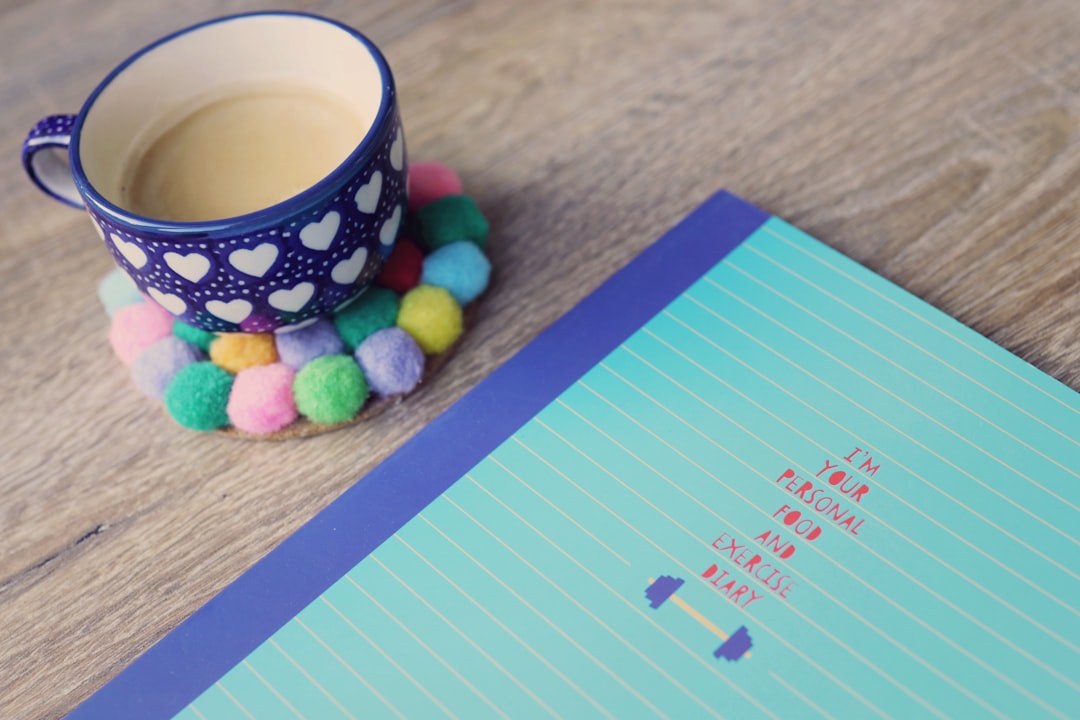
As attention economics tightens and consumers develop sharper BS detectors, fitness brands must pivot. The next wave of high-return marketing won't come from buying a TV-ready celebrity spot; it will come from investing in relatable, outcome-driven creators who build trust through daily consistency. This deep-dive guide explains why authenticity beats A-list glamour in fitness influencer campaigns, how to design programs that scale, and step-by-step tactics to measure ROI. Along the way I cite case studies, platform trends, legal considerations and community-first approaches to help you craft campaigns that truly move the needle.
For context on social-first engagement and why interactive fan experiences matter, read our piece on the impact of social media on fan engagement strategies, which covers many of the same dynamics being repurposed by fitness brands.
1) Why Authenticity Outperforms Celebrity Endorsements in Fitness
Trust is earned daily, not bought once
Fitness outcomes are inherently process-driven: users want workouts they can follow, progress they can track, and role models who mirror their realities. Celebrity endorsements offer visibility but often lack the process narrative consumers need to replicate success. Recent coverage of athletes and celebrity fandom shows the limits of fame as a proxy for relatability; for example, analysis like NHL celebrity fandom highlights attention spikes but not sustained behavior change.
Micro and real-life influencers create repeatable blueprints
Creators who document their training cycles, failures, and real-life constraints provide the exact scaffolding users need. Research into private, topic-driven groups demonstrates that peers and near-peers influence behavior more than distant heroes—see our report on empowering fitness insights from private communities. These individuals are frequently part of communities where progress is visible and replicable.
Costs, scalability and long-term ROI
Celebrity deals are expensive, short-lived, and often non-recurring. By contrast, partnerships with authentic creators scale horizontally: you can engage dozens of niche creators for the cost of one celebrity, localize messaging, and iterate quickly. The streetwear and retail space shows similar patterns: brands that aligned with community creators outperformed those that relied on celebrity drops—see how streetwear brands are transforming the market.
2) The New Influencer Mix: Roles That Drive Conversions
Micro-influencers (10k–100k followers)
These creators deliver high engagement rates and niche credibility. Their audiences often consider them peers or aspirational near-peers, and conversion comes through relatable storytelling and repeat exposure. Use them for product tutorials, honest reviews, and community challenges.
Community champions and ambassadors
Ambassadors embedded inside local gyms, clubs or digital groups create offline-to-online bridges. Their role is less about vanity metrics and more about cascading behavior inside closed communities. Lessons on unlocking community collaboration—like those from non-marketing spaces—are useful; for example, what IKEA can teach us about community engagement offers tactical parallels for seeding grassroots participation.
User-generated content (UGC) and micro-takes
UGC scales trust because users see peers rather than polished ads. Encourage transformation stories, short clips of workouts with logged progress, and day-in-the-life posts. Meta-style, in-the-moment content often outperforms highly edited ads—see strategies in living-in-the-moment meta content.
3) Crafting an Authentic Campaign: A Step-by-Step Playbook
Step 1 — Define outcome-first KPIs
Move beyond impressions. Measure trial sign-ups, completed workouts, retention at 14/30/90 days, and social proof actions (saves, shares, challenge entries). These metrics capture whether the partnership changes behavior. Tie creator incentives to outcomes—not just views—using affiliate links, promo codes, and cohort-specific tracking.
Step 2 — Recruit creators with process narratives
Use qualitative screening: review creators' 30-day posting cadence, responsiveness to DMs, and evidence of community-building. Prioritize creators who document setbacks and show measurable progress rather than perfectly produced clips. Sporting narratives, such as the rise of athletes who blend craft with story, provide useful frameworks—compare the storytelling in Blades Brown's rise, which demonstrates how narrative builds legitimacy.
Step 3 — Build content ladders and repurpose pipelines
Create a content ladder that maps from awareness (short reels) to consideration (how-to videos) to conversion (30-day challenge wrap-up). Repurpose creator content for paid social, on-site testimonials, and email sequences. The smart live experiences trend (like interactive sports streaming) shows the value of blending live and evergreen assets—see innovations such as Turbo Live for inspiration on live activation mechanics.
4) Platform Strategies: Matching Creators to Channels
Short-form video (TikTok, Reels)
Use short-form for discovery and motivation. Focus on authentic, unedited takes: warm-ups, modifications for injuries, and quick wins. Content that sparks challenges and duets compounds engagement; sports fashion and viral trends often start here—see examples in how viral moments shape sports fashion.
Long-form instruction (YouTube, IGTV)
Long-form videos are where trust converts. Deliver full workouts, progress check-ins, and deep-dive tutorials. Creators who can teach biomechanics and programming add credibility and increase lifetime value. Look at sports coverage that blends instruction and storytelling for structural cues, such as pieces about athlete advocacy in longer formats—see Rory McIlroy's advocacy as a model for athlete-led education.
Community-first platforms (Discord, private apps)
Private spaces produce higher retention. Use gated mini-cohorts for accountability, weekly live Q&A with creators, and milestone badges. Our research into private platforms shows markedly higher commitment and retention than open social channels—read more at empowering fitness insights from private communities.
5) Creative Formats That Signal Authenticity
Progress threads and multi-post storytelling
Documenting a 30- or 90-day progression across posts builds a narrative arc. It tells the brain “this is a journey” instead of “this is a one-time ad.” Break the arc into weekly wins and community prompts.
Live workouts and Q&A
Live activations create accountability and immediate social proof. They also surface creator personality and coaching style, which are critical differentiators compared with celebrity spots that rarely coach in real-time.
Behind-the-scenes, day-in-the-life content
Contextual content (warm-up routines, grocery runs, kitchenette modifications) reduces the aspirational distance between creator and follower. This is analogous to retail sectors leaning into lifestyle content to convert—see parallels in streetwear tailoring tips and product contextualization.
Pro Tip: Prioritize creator consistency over production value. Authentic micro-videos posted daily outperform polished ads posted once a month. (Source: community engagement patterns and platform preference studies.)
6) Legal, Contracts and Partnership Best Practices
Clear deliverables and outcome-based clauses
Define post cadence, required content formats, tracking pixels, and attribution methods in contracts. Include clauses for affiliate commissions where possible to align incentives. Artist and talent partnerships come with legal lessons—see navigating artist partnerships for examples of pitfalls and protective clauses.
Disclosure, FTC compliance and transparency
Require creators to use proper sponsorship disclosures. Transparency builds trust and reduces regulatory risk. Disclosure isn't just compliance—it's a credibility tool in authentic messaging.
IP, content rights and repurposing windows
Negotiate content rights for paid and organic re-use, including paid social ads, on-site testimonial usage, and evergreen segments. Consider time-bound exclusivity rather than all-time buyouts to keep budgets flexible.
7) Measurement: How to Prove Authenticity Drives Business Results
Attribution models for creator campaigns
Use multi-touch attribution that changes the weight for community-triggered conversions. Combine pixel events with promo codes and controlled A/B tests to isolate creator impact. Some brands implement cohort analysis to compare retention between creator-sourced and non-creator-sourced users.
Community health metrics
Track DAU/MAU inside creator groups, challenge completion rates, message activity, and churn among participants. These are early leading indicators of long-term LTV uplift from creator-driven cohorts.
Qualitative signals and sentiment analysis
Analyze comments, messages, and UGC sentiment for shifts in brand perception. Use natural-language tools to detect rising keywords like “trust,” “real,” and “sustainable” that correlate with conversion spikes. Sports-event analysis shows that sentiment spikes around authentic moments create durable engagement; see parallels in boxing event professionalism reporting.
8) Case Studies and Real-World Examples
Community-led brand relaunch
A mid-sized fitness apparel brand pivoted from celebrity ads to local creator hubs and saw a 40% increase in repeat purchases among campaign cohorts. They leaned into streetwear-style localization and fit guidance—borrowing tactics common to streetwear brands adapting product narratives (streetwear market trends).
Micro-influencer challenge that scaled globally
One program used 120 micro-creators to run simultaneous 21-day micro-challenges; conversion came from accountability loops and daily UGC. The campaign's core success mirrored viral dynamics studied in sports fashion and trend cycles (viral moments analysis).
Athlete advocates vs A-list sponsorship
Sports figures who advocate around specific causes or training philosophies often perform better in long-term brand equity than one-off celebrity slots. The difference is shown in athlete storytelling coverage—compare celebrity-fandom pieces like Blades Brown's rise and advocacy pieces such as Rory McIlroy's advocacy.
9) Pitfalls to Avoid
Chasing virality over relevance
Viral campaigns win attention but not always conversion. Focus on relevance to your target segment—what moves an engaged 35–44 buyer may differ from what energizes 18–24 community members. Case studies of viral moments show fashion crossovers that don't always translate to purchase intent (streetwear tailoring insights).
Over-reliance on metrics that don't map to LTV
Vanity metrics like reach and impressions can mask weak activation. Insist on cohort retention and recurring purchase metrics tied back to creator-sourced users when evaluating success.
Ignoring creator support and community management
Creators are multipliers: you must supply creative briefs, assets, and community management support. Brands that underinvest here see inconsistent messaging and lower conversion rates. Look to gameday community examples where production support improved outcomes (Turbo Live).
10) Future Trends: What’s Next for Fitness Influencer Campaigns?
Localized micro-ecosystems
Expect hyper-local creator ecosystems around city neighborhoods, gyms, and digital cohorts. Brands can sponsor these micro-ecosystems at scale for sustained conversion—mirroring local activation trends in streetwear and retail (streetwear transformations).
Creator-led product development
Creators will increasingly co-design products, from apparel fit to equipment features, because they can test prototypes with their communities faster than large focus groups. This approach draws parallels to collaborative product movements in other verticals.
Cross-disciplinary partnerships
Look for campaigns that mix fitness creators with nutritionists, mental health advocates, and sports storytellers to provide holistic value—similar to multidisciplinary coverage in sports mental health reporting (game day and mental health).
Comparison: Celebrity Endorsements vs. Authentic Creator Campaigns
| Dimension | Celebrity Endorsement | Authentic Creator Campaign |
|---|---|---|
| Cost | Very high (one-off, premium) | Variable (many micro-partners; scalable) |
| Trust/Relatability | Low-to-medium (admiration but not replication) | High (peers, process-focused) |
| Scalability | Low (single persona) | High (many creators, local & niche) |
| Speed to iterate | Slow (long contracts) | Fast (short tests, rapid feedback) |
| Long-term LTV impact | Uncertain (brand lift only) | Measurable (cohort retention & community metrics) |
Implementation Checklist (30/60/90 Days)
30 days — Discovery and Pilot
Create a roster of 10–20 creators, set outcome KPIs, run 2–3 pilot activations, and implement tracking. Use learnings from sports community decision research to plan A/B tests (psychological impact of community decisions).
60 days — Scale and Support
Scale winning pilots, provide creators with assets and education, and start community cohort groups. Consider using creative cues from retail collaborations and streetwear fit content to increase product pull (streetwear fit tips).
90 days — Optimize and Institutionalize
Lock down replication playbooks, ROI dashboards, and evergreen creator partnerships. Negotiate longer-term ambassador roles where creators co-develop product features or training plans—similar to how brands work with athlete advocates (athlete advocacy examples).
FAQ: Common questions about influencer fitness campaigns
Q1: Are celebrities ever worth it for fitness brands?
A: Yes—when your goal is massive awareness and you have distribution to convert that attention into trials. But for sustained behavior change, micro and community creators usually deliver better ROI.
Q2: How many creators should a mid-market brand work with?
A: Start with 10–20 pilots across core segments (age, geography, discipline). Scale those that show superior LTV and retention.
Q3: What's the single best metric to track for creator-driven fitness programs?
A: Trial-to-retention conversion (e.g., percentage of creator-referred users who complete 8+ workouts in 30 days).
Q4: How do we protect IP when co-creating with creators?
A: Use time-bound content licenses and negotiate co-ownership for product co-design; consult legal precedents from artist partnerships to avoid inadvertent rights transfers (artist partnership lessons).
Q5: Can live events still work in an age of micro-creators?
A: Absolutely. Live events, both virtual and IRL, help convert community energy into purchase behavior—smart live-run formats from other verticals can be adapted (live experience innovations).
Conclusion: Invest in Process, Not Just Personality
The future of influencer fitness campaigns centers on authenticity, process documentation, and community momentum. Brands that invest budget, operations and product into creator ecosystems will win the long game because they change behavior, not just attention. Use outcome-based KPIs, diversify creator types, and treat creators as partners in product and program development rather than as ad placements.
For a final perspective: while celebrity moments can spark attention (and occasionally accelerate brand awareness in the short term—see discussions of celebrity fandom in sports such as NHL fandom), sustainable growth in fitness comes from authentic, repeatable coaching and community—exactly what micro and local creators deliver.
Related Reading
- Unlocking the Secrets of Sleep - How sleep routines support recovery and training consistency.
- Culinary Comebacks - Nutrition ideas creators can share for performance-focused meal prep.
- Cleansers and Sustainability - Sustainability angles for lifestyle-centric fitness brands.
- Smart Home Decor - Home setup ideas for creators filming workouts.
- Living in the Moment - Techniques to improve creator authenticity via meta content.