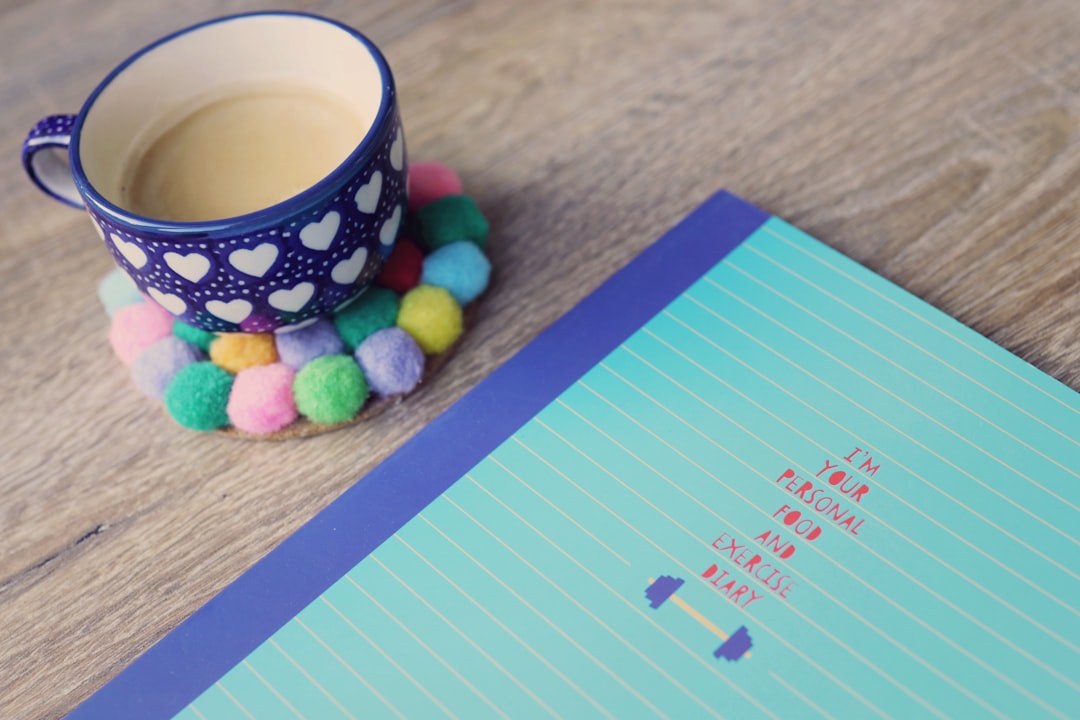
If you want a truly reliable strength base without paying for a gym membership or collecting equipment, bodyweight training is hard to beat. The best home workouts are not random circuits; they are a repeatable system built around sound mechanics, smart progressions, and enough variety to keep you adapting for months. This guide is designed as a durable exercise form guide and a practical home fitness program reference that you can come back to whenever you need a new movement, a clearer cue, or a better way to scale an exercise. If you’re starting from scratch, pairing this article with a structured content stack-style system for your workouts can make consistency much easier.
We’ll cover the core bodyweight exercises, how to perform them with clean technique, how to progress them without equipment, and how to combine them into a sustainable beginner workout plan and then an intermediate strength training routine. You’ll also learn how to warm up with mobility exercises, avoid the most common form mistakes, and apply progressive overload even when your only tools are a floor, a wall, and a chair. For readers who like systems thinking, think of this as the fitness version of a dashboard: simple inputs, clear feedback, and gradual improvements that are easy to track.
1) The Bodyweight Training Mindset: Why Simplicity Works
Progressive overload without equipment is still progressive overload
Progressive overload is not just adding plates to a barbell. In bodyweight training, you progress by increasing reps, slowing tempo, improving range of motion, reducing stability, shortening rest, adding pauses, or moving to a harder variation. That means a push-up can be made progressively harder for months by shifting from incline push-ups to floor push-ups, then feet-elevated push-ups, then archer or pseudo-planche variations. This is the same logic behind a good data-driven system: the basics matter, but the inputs must evolve.
Bodyweight training is ideal for busy people
Most people fail with home workouts because they overcomplicate them. A bodyweight program removes the biggest friction points: equipment setup, travel time, and decision fatigue. You can train a full body in 20 to 45 minutes, and because the exercises are built around patterns—squat, hinge, push, pull, lunge, carry, brace—you can keep the plan efficient and balanced. That’s why bodyweight training is often the most realistic choice for people who need a no equipment workout they can actually repeat.
What research and coaching practice agree on
Exercise science consistently supports the value of consistent resistance training for strength, muscle retention, function, and metabolic health, and bodyweight exercise qualifies when the movement is sufficiently challenging and performed with progression. In practice, coaches see the best results when trainees don’t chase novelty too quickly. A small library of high-quality movements beats a giant list of random exercises. If you’re building habits, the same principle appears in other fields too, such as choosing the right tool instead of the flashiest one—similar to the decision logic in this framework for choosing the right model.
Pro tip: The best no-equipment plan is one you can repeat on a low-energy day. Your program should survive imperfect weeks, not just perfect ones.
2) How to Warm Up: Mobility Prep That Actually Improves Your Lifts
Start with general heat, then joint-specific prep
A great warm-up should raise your body temperature and prepare the joints you’re about to load. Two to five minutes of marching, jumping jacks, brisk stair climbing, or shadow movement is usually enough to get warm. After that, move into specific mobility exercises for wrists, shoulders, hips, ankles, and thoracic spine depending on the workout. If your session includes squats and push-ups, prioritize ankle dorsiflexion, hip flexion, wrist extension, and scapular control.
Use dynamic mobility, not long static holds before strength work
Long static stretching before a session can temporarily reduce force output in some contexts. Dynamic mobility, however, tends to prepare the body better for movement quality and can improve positions without dulling performance. Good examples include world’s greatest stretch, ankle rocks, cat-cow, shoulder circles, and deep squat prying. For people who want a broader recovery and flexibility framework, our guide on sensory-friendly movement environments is a useful reminder that calm, controlled setups improve adherence and focus.
Warm-up template for any home workout
Use this easy sequence before most bodyweight sessions: 2 minutes of light cardio, 1 minute of joint circles, 1 minute of squat-to-stand or hip openers, 1 minute of scapular push-ups or wall slides, and 1 to 2 ramp-up sets of your first exercise. This gets you ready without wasting energy. If your wrists are sensitive, use fists, parallettes, or an incline. If your ankles are stiff, spend extra time on calf raises and knee-over-toe rocks before squats and lunges.
3) The Core Bodyweight Exercise Library: Squat, Hinge, Lunge, Push, Pull, Core
Squat patterns: air squat, split squat, and single-leg progressions
The air squat is your foundational lower-body pattern. Stand with feet about shoulder-width apart, brace gently, sit the hips down and back, keep the whole foot on the floor, and track the knees in line with the toes. The chest should stay proud, but don’t overextend your lower back trying to “stay upright.” If your depth is limited, use a box or chair as a target and gradually lower it over time.
For a more advanced squat stimulus, progress to goblet-squat-like mechanics using a slow tempo even without load, then to Bulgarian split squats, shrimp squats, and pistol squat progressions. The split squat is especially valuable for home training because it lets you train one leg at a time, reduce balance demands, and build strength safely. If you need a practical analogy for planning progression, think about choosing a travel plan with fewer hidden variables; the same logic appears in hidden-cost comparisons—the “cheaper” option is not always the easier one once the extras are counted.
Hinge patterns: glute bridge, single-leg RDL reach, and hamstring walkouts
Bodyweight hinging trains the posterior chain, which many home workouts neglect. Start with glute bridges: feet flat, ribs down, squeeze the glutes to raise the hips, and avoid arching through the lumbar spine. Then move to single-leg glute bridges, hip thrusts off a couch, and single-leg Romanian deadlift reaches, where your free leg moves back as your torso inclines forward. For hamstring emphasis, try sliding leg curls on a smooth floor or hamstring walkouts from a bridge position.
The main cue for hinging is simple: keep the spine long, shift the hips back, and feel the work in the glutes and hamstrings rather than the lower back. Hinge variations are also a good place to apply tempo-based overload. For instance, a three-second lowering phase and one-second pause at the bottom can make a simple movement much more demanding. This is similar to building resilient systems in business—small inefficiencies add up, which is why structured planning matters, whether you’re improving a workout or learning from cost-sensitive planning.
Push patterns: incline push-up, push-up, pike push-up, and advanced presses
The push-up is one of the most useful bodyweight exercises ever created, but only if you own the mechanics. Set your hands slightly wider than shoulder width, screw the palms into the floor, brace your midline, and lower as a single unit. The elbows should usually angle around 30 to 60 degrees from the torso, not flare straight out. Your body should move like a plank, not a snake.
Begin with wall push-ups, then incline push-ups using a bench, table, or counter, and gradually lower the height as you gain strength. Once standard push-ups are solid, introduce tempo reps, pauses at the bottom, shoulder-tap push-ups, diamond push-ups, and archer push-up progressions. Pike push-ups and wall handstand holds build shoulder strength for more advanced overhead work. For readers who like systematic product progression, the concept mirrors a well-built adaptive program: change one variable at a time and keep the feedback loop tight.
Pull patterns: row alternatives, scapular work, and safe home options
Pulling is the hardest pattern to train with no equipment, so be creative but cautious. If you have a sturdy table, you can do inverted rows. If you have a towel and a secure door setup, isometric towel rows can help, though safety comes first. If your home setup is limited, use prone Y-T-W raises, reverse snow angels, scapular retraction holds, and isometric “pull-apart” actions with a towel to build the upper back. These don’t replace true loaded pulling forever, but they do a good job of keeping the shoulders healthy while you train push and lower-body patterns.
Shoulder health matters more than ego. Many people hammer push-ups and ignore the backside of the body, which can create imbalance. That’s why a balanced routine should include at least some horizontal pulling substitute plus rear-delt and scapular control work. If you’re considering equipment later, our breakdown of small useful purchases can help you decide what truly adds value before you spend.
Core patterns: anti-extension, anti-rotation, and hip flexion control
Great core training is not about endless crunches. The core’s job is to transfer force and resist unwanted movement. Plank variations, dead bugs, hollow body holds, side planks, bird dogs, and mountain climber variations are all useful because they teach bracing, breathing, and alignment. A dead bug should look slow and deliberate: ribs down, low back gently pressed into the floor, opposite arm and leg extending without the pelvis shifting.
For more advanced core work, use hollow rocks, long-lever planks, bear crawls, and slow body saws on towels or sliders. In bodyweight training, the core is often the difference between a movement that builds you and a movement that just feels hard. If you want a simple mental model, imagine the torso as the chassis of a machine—the stronger and more stable it is, the better every limb can perform.
4) Form Cues and Common Mistakes: How to Train Safely at Home
Squat and lunge mistakes to fix first
One of the most common squat mistakes is letting the heels lift or the knees cave in as fatigue rises. Another is losing control at the bottom and bouncing out of position. Fix these by reducing depth temporarily, slowing the descent, and practicing with a split stance until mobility and strength catch up. For lunges, avoid taking a step that’s too short, which forces the knee to crash forward and limits hip involvement. A longer stance often makes the movement smoother and more joint-friendly.
Push-up and shoulder errors
Push-up mistakes usually include a sagging midsection, incomplete range of motion, craning the neck, and flaring the elbows excessively. To correct them, shorten the lever by elevating the hands, brace before you descend, and use a small pause at the bottom to clean up your position. For pike push-ups, many people shift too much weight into the hands and collapse the neck. Think about pressing the floor away while keeping the head aligned with the spine. These cues matter more than chasing fast reps.
Core and hinge mistakes that cause discomfort
With core work, people often confuse “hard” with “good,” which leads to flared ribs, hip flexor dominance, and low-back irritation. If a plank hurts your lower back, shorten the hold, squeeze the glutes, and exhale fully to stack the ribs over the pelvis. In hinge work, the biggest error is turning the movement into a squat or rounding the spine aggressively. Keep the knees soft, the chest long, and the hips moving back like you’re closing a car door with your butt.
Pro tip: If your form breaks for more than 2 reps in a set, the set is probably too hard for current training quality. Progress only when you can repeat the movement well under fatigue.
5) Progressions for Every Major Exercise: From Beginner to Advanced
Push-up progression ladder
A clean push-up progression starts with wall push-ups, then countertop or bench incline push-ups, then low incline push-ups, then floor push-ups. After that, use tempo reps, pause reps, close-grip variations, feet-elevated push-ups, archer push-ups, and eventually one-arm push-up prerequisites. The best benchmark is not just how many reps you can do, but how consistent your body position remains across the entire set. If you can’t keep a straight line or touch the chest to a target, the variation is too advanced for productive volume.
Leg progression ladder
For legs, move from sit-to-stand and box squats to air squats, split squats, walking lunges, Bulgarian split squats, step-ups, assisted pistols, and then full pistol squat attempts. Don’t rush single-leg depth if your knees, ankles, or balance are not ready. Add pauses, slower eccentrics, and longer ranges before adding speed or plyometrics. This keeps your joints happier and your progress steadier.
Core and shoulder progression ladder
For core work, progress from dead bug and plank to hollow hold, side plank with reach, bear hold, and body saws. For shoulders, go from wall slides and scapular push-ups to pike push-ups and wall handstand holds. These progressions matter because strength is specific: you get better at the exact positions you practice. When in doubt, add a small challenge rather than jumping two or three levels at once.
6) The No-Equipment Progressive Overload Plan: How to Keep Getting Stronger
Use rep ranges and technical targets
If you have no equipment, the simplest overload strategy is to use a rep range, such as 6 to 12 reps for strength-hypertrophy focused sets. Once you can perform all sets at the top of the range with good form, progress to the next variation or a harder tempo. For example, if you can do 3 sets of 12 incline push-ups at a stable body angle, lower the incline or add a 2-second pause at the bottom. This is the bodyweight version of systematic scaling in a well-designed long-term plan: the work should get a little harder only after the current load is mastered.
Manipulate tempo, pauses, and density
Tempo is one of the most underrated tools in home training. A 3-1-1 push-up tempo, for example, means 3 seconds down, 1 second pause, 1 second up. Pauses increase time under tension and teach control, while density work—doing the same volume in less time—improves work capacity. You can also reduce rest periods gradually, but don’t cut rest so aggressively that every set becomes sloppy. The goal is enough challenge to adapt, not so much fatigue that technique disappears.
Plan progression over 12-week blocks
A practical structure is to run a 12-week block with a clear progression target. Weeks 1-4 can focus on movement quality and volume at an easier variation. Weeks 5-8 can add reps, tempo, or a harder version. Weeks 9-12 can introduce more advanced variations or longer sets while preserving form. This is the kind of long-view thinking that also helps with durable product design: the best systems last because they are adaptable, not because they are complicated.
| Exercise | Beginner Option | Intermediate Option | Advanced Option | Primary Progression Lever |
|---|---|---|---|---|
| Push | Wall push-up | Floor push-up | Feet-elevated archer push-up | Leverage and tempo |
| Squat | Box squat | Air squat | Pistol squat progression | Range and unilateral demand |
| Hinge | Glute bridge | Single-leg bridge | Hamstring walkout / single-leg RDL reach | Stability and posterior-chain load |
| Core | Dead bug | Plank | Hollow hold / body saw | Anti-extension challenge |
| Shoulders | Wall slides | Pike push-up | Wall handstand hold / deficit pike push-up | Vertical pressing angle |
7) Sample Home Workout Routines: Beginner to Intermediate
Beginner workout plan: 3 days per week
Use this if you’re brand new, returning after a break, or rebuilding consistency. Day 1: squat, incline push-up, glute bridge, dead bug. Day 2: split squat, wall push-up, bird dog, side plank. Day 3: air squat, floor push-up or higher incline, hamstring walkout, plank. Do 2 to 4 sets of 6 to 12 reps on most movements, with 20 to 45 seconds of core holds. Keep rest generous enough that every set looks crisp.
Intermediate strength training routine: 4 days per week
If the beginner plan feels easy and technically stable, move to four training days. Two days can emphasize lower body and core, and two can emphasize push, shoulder, and posterior-chain work. For example, Day 1: Bulgarian split squat, single-leg glute bridge, plank; Day 2: push-up, pike push-up, prone Y-T-W; Day 3: tempo air squat, reverse lunge, side plank; Day 4: feet-elevated push-up, hamstring walkout, hollow hold. This structure gives you enough volume to progress while limiting overuse.
How to know when to progress
Advance when your final set still looks like a clean rep, not a survival rep. If you can add 2 reps to the top of your target range for two sessions in a row, progress the variation or slow the tempo. If joints ache or form degrades, stay where you are and tighten the execution. For readers who like making decisions based on tradeoffs, this resembles comparing options with a real-world lens, similar to how people evaluate starter picks for their strengths and weaknesses instead of picking randomly.
8) Recovery, Mobility, and Consistency: The Forgotten Parts of Progress
Recovery makes the program sustainable
Bodyweight training can be deceptively intense, especially when volume rises. Sleep, hydration, protein intake, and daily movement all affect how well you recover and how quickly your joints adapt. You do not need to crush yourself to make progress. In fact, the people who train consistently for months usually benefit more than the people who do heroic workouts once a week.
Use mobility as maintenance, not punishment
Mobility work should help you move better, not feel like a penalty for being tight. Two to ten minutes after training or on off days is enough for most people, especially if you focus on the areas you actually use in your workout. Ankles, hips, thoracic spine, and shoulders are the usual priorities for a no-equipment program. If your daily routine is busy, a short mobility block can be enough to preserve your squat depth and pressing comfort.
Consistency beats perfect optimization
The most effective home fitness programs are often the simplest. Set a training schedule you can keep, use a repeatable warm-up, and log your reps or variations. You’re not just building strength; you’re building a habit that can survive travel, deadlines, family obligations, and low motivation. If you need help developing a more user-friendly routine around your day, take a look at how people build workflows for speed and accessibility in this guide—the same principle applies to workouts.
9) How to Organize a Long-Term Home Fitness Program
Rotate emphasis without abandoning basics
After a few months, some movements will become “maintenance” and others will become “focus” exercises. For example, if push-ups are easy but split squats are still challenging, keep push-ups in the plan for upper-body volume and devote more attention to single-leg lower-body progressions. This keeps the whole body developing instead of letting one area run ahead while another lags. A good program is like a strong brand platform: clear enough to be recognizable, flexible enough to evolve, and consistent enough to trust.
Log your training like a coach would
Track the variation, sets, reps, tempo, rest, and any form notes. If your push-up looks cleaner with a slight incline, write that down rather than forcing the floor version too soon. The best logs capture both performance and quality. This is the same reason reliable systems prioritize auditability and traceability, just as strong digital processes do in engineering checklists and compliance frameworks.
When to add equipment
You can make excellent progress with no equipment, but eventually a pull-up bar, resistance band, or pair of rings can expand your pulling options dramatically. Add tools only when they solve a real limitation in your current plan. If your schedule, budget, or space are tight, start with bodyweight mastery first. That approach keeps the program low-friction and makes later equipment upgrades more valuable.
10) FAQ and Troubleshooting for Real-World Home Training
What if I can’t do a single push-up yet?
Start with wall push-ups, then incline push-ups using a countertop or sturdy table. Focus on a straight body line, controlled lowering, and full-body tension. When you can do 3 sets of 10 to 15 clean reps at one height, lower the incline and repeat.
How many days per week should I train?
Most beginners do well with 3 full-body sessions per week, while intermediates may prefer 4 days. What matters most is consistency and recoverability, not max frequency. If you’re sore for several days, reduce volume before adding more days.
Can bodyweight training build muscle?
Yes, especially when the exercises are challenging, performed close enough to fatigue, and progressively overloaded over time. Muscle growth depends on tension, effort, and adequate recovery. Harder variations, slower tempo, and increased range of motion all help.
How do I train my back without equipment?
Use inverted rows if you have a secure setup, or rely on prone raises, scapular retractions, reverse snow angels, and isometric towel work. These won’t perfectly replace full pulling variations, but they meaningfully support shoulder health and upper-back endurance.
What should I do if my knees hurt during squats or lunges?
Reduce range of motion, slow the tempo, shorten the workout, and check your alignment. Often the issue is too much depth too soon, limited ankle mobility, or fatigue-related breakdown. If pain persists, stop the movement and consult a qualified clinician.
How long should a home workout last?
Anywhere from 20 to 45 minutes is enough for most people if the work is focused. Longer is not automatically better. A shorter session that you can repeat four times a week often beats a longer session you dread.
11) Final Blueprint: A Simple System You Can Use for Months
Build around the movement patterns, not random exercises
The big idea behind lasting home workouts is simple: cover squat, hinge, lunge, push, pull, and core every week, then progress one variable at a time. When your program is organized around patterns, you can swap in variations based on your mobility, recovery, and available space without losing structure. That’s what makes a true exercise library useful—it gives you options without chaos.
Keep the plan easy to repeat and hard to fail
If you train too hard too soon, your plan becomes fragile. If you train with a clear warm-up, a small movement menu, and a realistic overload strategy, the plan becomes durable. This is the difference between a workout that looks impressive and a workout that actually changes your body. The most effective home fitness program is usually the one you can execute during your busiest weeks.
Your next step
Pick one beginner version of each movement pattern, train them for two weeks, and record your reps and form notes. Then make only one change at a time: more reps, a slower tempo, a harder angle, or a tougher variation. If you want to keep learning and build a broader wellness routine around exercise, explore how mindful use of digital tools can support consistency in wellness app privacy, because good habits work best when your systems are trustworthy and easy to use.
Related Reading
- Maximizing Your Home's Energy Efficiency with Smart Devices - Useful if you want to make your workout space more comfortable and efficient.
- Curating the Right Content Stack for a One-Person Marketing Team - A strong example of building a repeatable system with limited resources.
- Event Branding on a Budget: How to Make Live Moments Feel Premium - Great inspiration for making simple setups feel polished and intentional.
- How to Build a Creator Workflow Around Accessibility, Speed, and AI Assistance - Helpful for designing routines that are fast, accessible, and sustainable.
- Which LLM Should Your Engineering Team Use? A Decision Framework for Cost, Latency and Accuracy - A useful framework for making smart decisions under constraints.