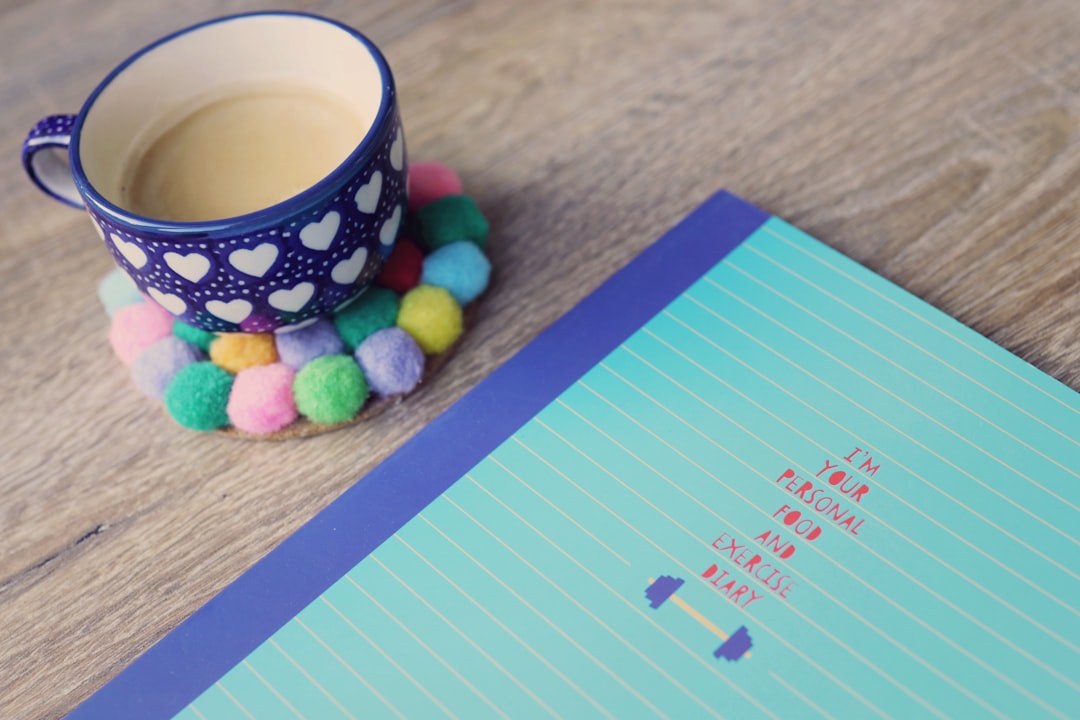
Embarking on a fitness journey is a commitment to oneself — to health, strength, and personal growth. But sustaining that journey over time, especially when juggling the demands of content creation and engaging a motivated audience, presents unique challenges. This comprehensive guide explores the real-life insights of everyday fitness creators who successfully balance sustainability with authenticity in their fitness journeys. Whether you're just starting out or seeking ways to maintain progress without burnout or injury, these creator stories, expert tips, and evidence-based strategies will help you create a lasting and effective fitness routine.
1. Understanding Sustainable Fitness: Beyond Quick Fixes
What Sustainability Means in Fitness
Sustainable fitness is a long-term approach focusing on consistent progress, injury prevention, mental wellness, and fitting exercise harmoniously into everyday life. It rejects crash diets and exhausting routines in favor of a balanced, adaptable lifestyle that supports ongoing improvement. This philosophy mirrors the overall water-wise approach to planning sustainable adventures, highlighting the importance of endurance and thoughtful resource management applied to our bodies.
The Pitfalls of Burnout and Overtraining
Many creators share personal stories of burnout, where intense early enthusiasm leads to exhaustion or injuries that halt progress. The cycle of overtraining can be demotivating and harmful both physically and psychologically. Learning from creators who have walked this path helps sculpt routines prioritizing recovery and balance instead of short-lived peaks.
Integrating Fitness into a Busy Creator Lifestyle
Effective scheduling and prioritization are integral when balancing content creation and workouts. One creator emphasized the importance of "micro workouts" squeezed between filming or editing, which maintain consistency without overwhelming daily schedules. These strategies resonate with techniques used in overcoming excuses to skip gym sessions.
2. Creator Insights: Building Fitness Routines That Stick
Customized Plans over Generic Programs
Creators stress the significance of personalized training plans that respect individual abilities, goals, and schedules. They often use insights from followers’ feedback to adjust their routines, emphasizing progression and self-awareness. This mirrors principles found in performance adaptation lessons from elite athletes.
Authenticity Through Sharing Real Struggles
Sharing honest experiences — like setbacks, plateaus, and mental roadblocks — builds trust and encourages audience persistence. Creators who embrace vulnerability highlight that sustainable fitness isn't perfection, but persistence despite challenges. For perspective on this journey, see real stories of resilience in athletic communities.
Leveraging Technology and Analytics
Many creators leverage fitness trackers and data apps to optimize recovery, track progress, and minimize injury risks. Utilizing such tools effectively aligns with lessons from the best budget GPS watches that allow users to monitor activity without exhaustive investment.
3. Injury Prevention: The Cornerstone of Long-Term Fitness
The Role of Proper Form and Technique
Creators unanimously agree that mastery of exercise form is vital to prevent injury. Many provide detailed video tutorials and coaching cues to help followers avoid common mistakes. For an in-depth approach to form and technique, consult our guide on proper exercise form coaching.
Incorporating Mobility and Flexibility Training
Maintaining joint health and muscular flexibility helps stave off chronic pain and promotes functionality. Dynamic warm-ups, stretching routines, and yoga-inspired mobility exercises are shared staples among creators. These principles support functional fitness goals detailed in our article on mobility and functional fitness improvement.
Listening to Your Body and Knowing When to Rest
Injury prevention also hinges on understanding signs of overtraining and allowing time for recovery. Creators emphasize that rest days and deload weeks are not laziness but necessary components of a sustainable plan. The nuances around balancing exertion and rest are well-covered in injury and mental resilience lessons.
4. Workout Recovery: Strategies That Creators Swear By
Nutrition to Support Recovery
A balanced diet rich in protein, anti-inflammatory foods, and hydration boosts recovery. Many creators share recipes and nutrition tips emphasizing whole foods and avoiding crash dieting. Curious about optimizing nutrition? Look into nutritional pairings that support energy and repair.
Sleep as a Non-Negotiable
Consistent quality sleep is championed as the ultimate recovery tool. Creators often track sleep patterns and adjust lifestyle habits to improve rest quality, a strategy aligned with the wellness practices discussed in health advocacy by wearable industries.
Active Recovery and Movement
Engaging in low-intensity activities like walking, swimming, or gentle yoga helps promote blood flow and muscle repair without strain. Incorporating active recovery is a psychologically comforting practice many creators adopt, parallel to ideas presented around sustainable adventure planning.
5. Balancing Fitness and Content Creation: Time, Energy, and Focus
Time Management Techniques
Creators discuss approaches such as batching content creation and scheduling workouts around high-energy parts of the day. This strategic planning avoids overlap and reduces stress, reflecting the time-saving principles found in handling common gym skipping excuses.
Maintaining Mental Health Amidst Demands
The mental load of personal fitness and audience engagement can be challenging. Creators find mindfulness, journaling, and community support vital for balance. For an expanded look into resilience, see our feature on real-world resilience insights.
Setting Realistic Goals and Measuring Progress
Sharing clear, achievable goals with audiences provides accountability without overwhelming pressure. Using metrics like strength gains or mobility improvements, rather than weight alone, is favored. This approach is consistent with evidence-based methods from our guide on structured progressive workout plans.
6. Personal Stories: Learning from Everyday Creators
Case Study: Emma’s Journey to Functional Strength
Emma, a full-time content creator, emphasizes daily mobility work and functional training to support her active lifestyle. She integrates recovery days and scales intensity based on how she feels, highlighting the importance of adaptability. Her story aligns with key lessons in athletic resilience narratives.
Case Study: Marcus’ Path to Injury-Free Bodybuilding
Marcus documents his foundation-building phase focusing on form and slow progression. By sharing setbacks and corrective strategies, he educates his audience on injury prevention and workout recovery. His methodical approach complements insights from injury prevention techniques.
Case Study: Lila’s Challenge: Fitness with Minimal Equipment
Balancing creative filming and limited space, Lila maximizes bodyweight exercises and active recovery to sustain progress. She emphasizes balance not only between workout days and rest but also in content output to avoid burnout. Her journey references principles found in home workouts with minimal equipment.
7. Tools and Technology to Enhance Sustainable Fitness
Wearable Trackers and Data Analytics
Many creators rely on devices that monitor heart rate variability, sleep, and activity levels to inform workout intensity and rest needs. Using technology smartly helps prevent overtraining and promotes recovery, as discussed in affordable GPS watch reviews.
Video Platforms for Form Feedback
Creators utilize slow-motion reviews and side-by-side comparisons to refine form both for themselves and their followers, enhancing safety and effectiveness. This practice is an application of professional coaching insights found in exercise form coaching fundamentals.
Apps for Scheduling and Accountability
Scheduling apps reduce cognitive load, helping creators balance training and content deadlines. Accountability partners and community challenges foster motivation, similar to engagement strategies outlined in community progression in gaming.
8. Comparison Table: Sustainable Fitness Approaches by Common Creator Challenges
| Challenge | Common Pitfall | Creator Solution | Recommended Resource |
|---|---|---|---|
| Time Constraints | Skipping workouts or rushed sessions | Micro workouts & time-blocking | Handling gym excuses |
| Injury Risk | Ignoring pain & poor form | Form tutorials & active recovery | Exercise form coaching |
| Motivation Fluctuation | Overtraining leading to burnout | Scheduled rest & community support | Resilience stories |
| Limited Equipment | Inability to progress | Bodyweight & adaptive exercises | Minimal equipment workouts |
| Nutrition & Recovery | Poor diet hindering gains | Balanced nutrition & sleep hygiene | Nutrition science |
9. Maintaining Balance: Fitness as a Lifestyle, Not a Chore
Mindful Movement and Joyful Exercise
Creators recommend tuning into how exercise makes you feel rather than forcing routines. Seeking activities that spark joy promotes adherence and psychological wellbeing. This mindful approach aligns with behavioral insights described in personal resilience guides.
Setting Boundaries to Avoid Overcommitment
Balancing content creation with fitness success means learning to say no — protecting time for rest and mental health. This perspective of thoughtful boundary-setting is echoed in wellness-focused discussions like health advocacy in wearables.
Community and Support Systems
Many creators attribute their sustainability to supportive communities and peer accountability, encouraging mutual motivation and shared learning. This principle has parallels in community-driven approaches found in rugby community events.
10. FAQs About Sustainable Fitness
What is sustainable fitness, and why is it important?
Sustainable fitness focuses on creating lifelong habits that promote ongoing health and avoid injury or burnout. It is important because it helps maintain progress without compromising well-being.
How do creators prevent injuries while sharing workouts?
They emphasize proper form, gradual progression, listen to their bodies, and share recovery techniques with their audience to minimize risks.
Can I sustain a fitness routine with limited time?
Yes, micro workouts, time blocking, and prioritizing quality over quantity can help fit effective fitness into busy schedules.
How important is recovery in a sustainable fitness plan?
Recovery is crucial as it allows muscles to repair, prevents overtraining, and helps maintain motivation over time.
What role do mental health and motivation play?
Mental health strongly influences consistency; sustainable fitness integrates strategies to manage stress, set realistic goals, and maintain enjoyment.
Related Reading
- Proper Exercise Form Coaching - Learn how mastering form reduces injury and boosts progression.
- Personal Stories of Resilience - Real athletic journeys that inspire sustainable habits.
- Skipping Out on the Gym - Tips to overcome barriers to consistency.
- Nutrition Science for Athletes - Fuel your workouts and recovery the right way.
- Home Workouts with Minimal Equipment - Effective routines for limited spaces or gear.