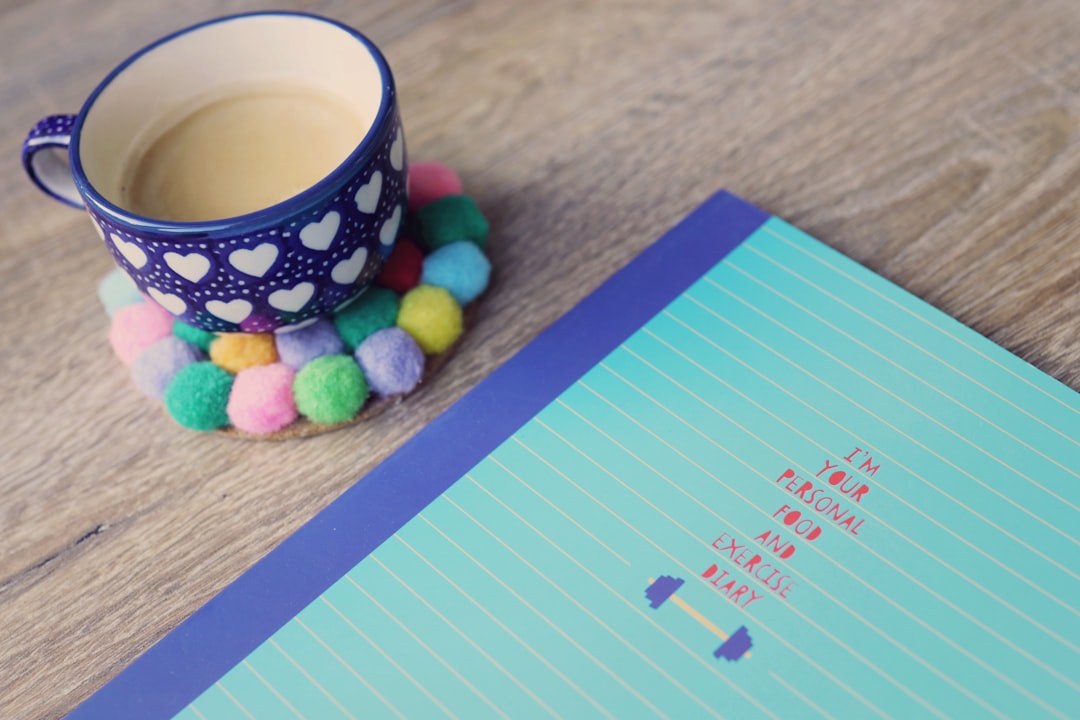
If you think progressive overload only works with dumbbells, barbells, or machines, you are leaving a lot of strength gains on the table. With the right system, bodyweight exercises can become progressively harder for months or even years, which makes them a perfect fit for a no equipment workout approach. The key is not just doing more reps; it is changing the training stimulus in a deliberate way—slower tempos, tougher leverage, more unilateral work, shorter rest periods, and smarter tracking. If you want a practical progressive overload plan that works inside a busy schedule, this guide will show you exactly how to build one into your home workouts and turn them into a real strength training routine.
Before we get into the methods, it helps to understand the bigger picture of planning and consistency. A good fitness system works like a well-run project: you choose a target, build a calendar, measure what matters, and adjust when progress stalls. That same mindset shows up in everything from project tracker dashboards to the way smart teams use structured productivity blueprints. In fitness, that structure is what transforms random effort into an effective home fitness program you can actually follow.
What Progressive Overload Really Means When You Don’t Have Weights
It is not just about adding reps
Progressive overload means gradually increasing the demand on your body so it adapts and becomes stronger, more resilient, or more muscular. In a home setting, that does not require chasing endless reps until you are exhausted. Instead, the goal is to create a repeatable challenge that nudges your muscles and nervous system to do slightly more work over time. That could mean a harder variation, a longer time under tension, a tighter range of motion, or less recovery between sets. For practical support on building a sustainable routine, pair this guide with a smart-coach mindset and a simple fitness tracker to keep your effort honest.
Why bodyweight training still builds strength
Your muscles respond to stress, not the label on the equipment. Push-ups, squats, rows, lunges, planks, and their many progressions can deliver enough mechanical tension and skill demand to drive strength gains. In fact, bodyweight work often improves movement quality because it forces you to control your torso, hips, shoulder blades, and breathing at the same time. That makes it a particularly strong option for beginners following a beginner workout plan, as well as experienced exercisers who need a reliable backup when the gym is not available. If you want your technique to stay sharp, use an exercise form guide mentality: make every rep look purposeful before making it harder.
The four overload levers you can pull at home
At home, progressive overload usually comes from one or more of four levers: load, leverage, volume, and density. Because load is limited, leverage becomes the most valuable lever—think incline push-up to standard push-up to decline push-up to archer push-up. Volume can rise by adding reps or sets, but density is often the easiest way to progress without extra equipment: do the same work in less time, or the same rest with better output. These levers are flexible enough to support nearly any workout routines framework, from upper-body push days to full-body circuits.
The Best Ways to Increase Intensity Without Heavy Equipment
Tempo changes: make every rep harder
Tempo is the speed of each rep, and it is one of the most underused tools in bodyweight training. When you slow down the lowering phase, pause at the bottom, or explode up more forcefully, you change the challenge without changing the exercise itself. For example, a push-up performed with a 4-second descent, 1-second pause, and controlled press is far more difficult than a rushed set of 20. Tempo is especially useful for building skill and muscle when your home setup is limited, because it makes ordinary movements feel brand new. A useful rule: if you can easily do 15 reps, add a 3-1-1 tempo before jumping straight to a harder variation.
Leverage shifts: the secret weapon of bodyweight progression
Changing leverage means moving your body so the same muscles must produce more force. A decline push-up is harder than a regular push-up because more bodyweight is shifted toward the hands. A Bulgarian split squat is harder than a standard squat because one leg does most of the work and stability demands rise sharply. A pike push-up becomes a wall-assisted handstand progression because the angle shifts stress toward the shoulders. This is the most reliable way to keep progressing when you have no extra plates, and it is the backbone of a strong no equipment workout strategy.
Unilateral work: turn both sides into training partners
Unilateral exercises—one arm or one leg at a time—are incredibly effective for building strength without weights. They reduce your ability to hide weak links, which means each side must contribute fully. Split squats, single-leg RDL patterns, assisted pistols, one-arm push-up progressions, side planks, and single-arm rows with a towel or table setup all force more stability and control. They also help address left-right imbalances and can reduce the tendency to compensate with the dominant side. If you are designing a home routine for your schedule, unilateral work gives you a lot of bang for your time, similar to how a well-built case study framework gets more insight from fewer examples.
Density training: do more work in less time
Density means the amount of work you complete in a fixed period. You can increase density by reducing rest, adding another round to a circuit, or doing “as many quality reps as possible” in a set time while keeping form solid. The goal is not chaos; it is a controlled increase in work capacity. A simple example is completing 5 rounds of 10 push-ups, 15 squats, and 20 mountain climbers in 12 minutes, then repeating the same workout in 11 minutes next week. That is progress, and it is measurable, repeatable, and perfectly suited to a home fitness program.
How to Build a Progressive Overload Plan at Home
Start with a baseline you can repeat
Your first step is not to guess the hardest workout possible. It is to pick a movement you can perform with clean form for 6-15 challenging reps, or a hold you can maintain for 20-60 seconds with good alignment. That baseline becomes your reference point. If you can currently do 10 standard push-ups with solid mechanics, that becomes your starting number; if you can only do 5 incline push-ups, that is still a valid starting point. The best plans are honest about your current level, because honest baselines make future progress visible.
Use a simple progression ladder
Think of each movement as a ladder with several rungs. For push-ups, that ladder might be wall push-up, incline push-up, standard push-up, feet-elevated push-up, archer push-up, and pseudo-planche lean push-up. For squats, it might be box squat, air squat, tempo squat, split squat, Bulgarian split squat, and pistol squat progression. Your job is to spend enough time on each rung to own it, not merely survive it. This is where a structured beginner sprint approach becomes useful: small, repeatable wins compound fast.
Progress one variable at a time
One of the biggest mistakes in home workouts is changing everything at once. If you add reps, shorten rest, slow the tempo, and switch to a harder variation in the same week, you will not know what actually drove the result. Instead, change one variable per training block, usually for 2-4 weeks. For example: week 1-2, keep reps constant but slow tempo; week 3-4, keep tempo constant but increase reps; week 5-6, move to a harder variation and return to the lower rep range. That process gives you clarity, which is why systems thinking matters in training just as it does in dashboard-based tracking or analytics calibration.
A Practical Weekly Structure for Home Strength Training
Full-body training works best for most home athletes
If you are training at home with minimal equipment, full-body sessions are usually the smartest choice. They help you practice major movement patterns multiple times each week without needing a long gym split. A basic template might include a push, pull, squat, hinge, core, and carry or anti-rotation drill. This approach is efficient, recovery-friendly, and easy to scale for beginners or intermediate trainees. It also keeps the program flexible when life gets busy, much like a well-planned four-day workweek blueprint preserves output by focusing on what matters most.
Example weekly template
Day 1 could emphasize push-ups, split squats, hip hinges, and planks. Day 2 could emphasize pull patterns, step-ups, tempo squats, and side planks. Day 3 could be a density day with lower reps and shorter rests. Day 4 could use unilateral variations and longer holds. If you only have three days, rotate through these themes with a slight emphasis change each workout. What matters is that the plan exposes you to repeated practice and gradual challenge, not that it looks fancy on paper.
Recovery is part of overload
You do not get stronger from stress alone; you get stronger from stress plus recovery. That means sleep, protein intake, and joint-friendly programming all matter. If your elbows, shoulders, or knees are irritated, increase reps or sets only when the form is clean and soreness is manageable. Recovery is also why tracking subjective effort is useful: a workout that feels easy on a week of good sleep may be a solid overload session, while the same workout after poor sleep may be too much. This is similar to how a practical plan must account for real-world constraints, the same way a good budget plan accounts for hidden fees instead of just the headline price.
Tracking Progress Like a Coach, Not a Guessing Game
Track more than reps
If you only track reps, you miss the full picture. A real overload system should track exercise variation, tempo, sets, reps, rest time, range of motion, and effort level. You can also note whether a rep felt smooth, shaky, or near-failure. This matters because five controlled reps with excellent form can be a better progression than ten sloppy ones. The more detailed your notes, the easier it is to make informed decisions next week.
Use RPE and rep quality
RPE, or rate of perceived exertion, gives you a way to measure how hard a set feels on a scale from 1 to 10. For home training, most working sets should land around RPE 7-9, meaning you finish with 1-3 reps in reserve. That keeps intensity high without turning every session into a grind. Pair RPE with rep quality: did your hips sag, did your shoulders shrug, did you lose bracing? When form breaks, the set is over, even if the number target is not reached. This is a major reason bodyweight training becomes more effective when treated like an exercise form guide rather than a calorie-burn circuit.
Progress can be measured in several ways
Strength progress is not always a higher rep count. You may progress by adding a pause, moving from incline to floor, shortening rest, improving range of motion, or holding a harder variation longer. For example, if your feet-elevated push-up stays at 8 reps but your tempo improves from rushed to controlled, that is real progress. If your split squat depth improves while the rep count stays the same, that is progress too. This broader view makes it easier to stay motivated because you are no longer waiting for one metric to change.
Detailed Comparison: How to Overload Different Bodyweight Moves
Below is a practical comparison of common home training methods and how each one helps you create overload without weights. Use it to decide which lever to prioritize first based on your current level, available time, and recovery capacity.
| Method | How It Increases Challenge | Best For | Example | Common Mistake |
|---|---|---|---|---|
| Tempo changes | Increases time under tension | Beginners and intermediates | 4-second lower on push-ups | Going so slow that form collapses |
| Leverage shifts | Moves body position to make the exercise harder | Building strength and skill | Standard push-up to decline push-up | Skipping too many levels too soon |
| Unilateral work | Forces one side to do more work | Fixing imbalances | Bulgarian split squats | Letting the non-working side help too much |
| Density training | More work in the same time | Work capacity and conditioning | 10-minute circuit with fixed rounds | Rushing through poor-quality reps |
| Added range of motion | Requires more strength through a longer path | Mobility plus strength | Deep split squat | Forcing depth before controlling it |
Sample No-Equipment Workout Plan for Strength Progression
Day 1: Push and legs
Start with push-ups using a tempo such as 3 seconds down, 1 second pause, and controlled press for 4 sets of 6-10. Then move to split squats for 3 sets of 8-12 per leg, followed by plank variations for 3 sets of 30-45 seconds. Finish with an optional density finisher: 6 minutes of alternating push-ups and squats at a sustainable pace. Keep the rest period consistent so you can compare performance from week to week.
Day 2: Pull, hinge, and core
Use towel rows, table rows, or door-frame rows if safe and stable, working 4 sets of 8-12 with slow eccentrics. Add single-leg hip hinges, glute bridges, and side planks. If your setup allows, include isometric holds at the top of each row or hinge to make the movement more challenging without adding equipment. For a more polished at-home setup, small improvements like better space organization and gear placement can matter, similar to how a smart home buy improves daily convenience.
Day 3: Density and skill
This session should be lighter on maximal strain and heavier on density. For example, perform 5 rounds of 5 push-ups, 10 squats, 20 jumping jacks, and 20-second hollow holds with 60 seconds rest. The aim is not to destroy yourself but to practice consistent output under mild fatigue. If you can complete the same circuit with slightly better output or less total rest next time, you have overloaded the system. That style of progression is ideal for busy people who need a home fitness program that fits real life.
How to Avoid Plateaus, Pain, and Bad Form
Don’t chase difficulty before control
Many people want to jump straight to archer push-ups, pistol squats, or advanced core drills because they look impressive. But if the basics are not stable, advanced variations simply hide weaknesses. Your job is to own the movement first, then increase the demand. A deep squat with clean bracing and controlled depth will build more useful strength than a flashy variation you can only half-perform. For safety-minded planning, treat your routine like a quality check, similar to how a good buyer would evaluate product safety and recall data before trusting a skincare item.
Use deloads strategically
Even bodyweight training can accumulate fatigue. Every 4-8 weeks, consider a deload week where you reduce volume by 30-50% or keep the exercises the same but lower the intensity. This helps your joints, connective tissue, and nervous system recover, and it often sets you up for a stronger next block. Deloads are not a sign of weakness; they are part of long-term progression. In the same way that a measured plan works better than panic buying or reactive decision-making, smart training respects the body’s need to absorb the work.
Watch for the true warning signs
Soreness is normal; sharp pain, joint pain, or worsening movement quality are not. If your shoulders pinch during push-ups, reduce the range, switch to incline variations, and improve scapular control. If knees complain during lunges, shorten stride length and work on ankle/hip mobility before adding complexity. Pain management should always beat ego. The more consistently you train, the more you will appreciate that longevity is the real win, just as reliability matters in everything from precision product design to smart home planning.
How to Stay Motivated When Progress Is Slow
Make progress visible
When training at home, it is easy to feel like nothing is happening. That is why visible records matter. Keep a simple log with your exercise variation, reps, tempo, rest, and RPE. If you can, take monthly photos or videos to assess posture, control, and range of motion. Progress is often easier to see in a clip than to feel in the moment. A tracking system also creates momentum, similar to the way organized planning improves results in home renovation dashboards.
Keep the wins small and specific
Motivation survives when goals are concrete. Instead of saying, “I want to get stronger,” say, “I want to move from incline push-ups to floor push-ups for 3 sets of 8 with a 3-second lowering phase.” Specific targets make it easier to stay focused and celebrate progress. They also reduce the emotional roller coaster of comparing yourself to other people. If your goal is fat loss, mobility, or general fitness, this level of precision still helps because it ensures you are improving something measurable every week.
Build an environment that supports consistency
Home training works best when the friction is low. Keep a mat available, choose a fixed workout time, and set up your space before the session starts. Small environmental tweaks matter more than most people think because they reduce excuses and decision fatigue. This is the same logic behind well-designed tools and systems that make life easier, whether it is a multitasking hub or a clean digital dashboard. The simpler it is to start, the more often you will train.
When to Add Minimal Equipment and What to Buy First
Start with the cheapest high-value tools
You can go a long way with zero equipment, but a few affordable items can expand your options dramatically. A pull-up bar, resistance band, sturdy bench or box, and yoga mat can unlock dozens of progressions and make your training more balanced. If you are budget-conscious, choose tools that support multiple movement patterns rather than novelty gadgets. In that sense, smart shopping follows the same principle as finding the best value in clearance gear deals: buy versatility first.
How to choose equipment based on your goal
If your goal is strength, prioritize tools that let you progress pull and hinge patterns, because those are hardest to load at home. If your goal is muscle tone, bands and adjustable loading options help you extend rep ranges and control tempo. If your goal is mobility and athleticism, get items that support deep positions and stability work. The point is not to collect gear; the point is to remove training bottlenecks. Once you understand your bottleneck, every purchase becomes more strategic.
Know when bodyweight is enough
For beginners, most general fitness goals, and even many intermediate goals, bodyweight alone is enough for a long time. You may not need heavy equipment until you want to push specific strength ceilings or hypertrophy targets. If you are still improving reps, tempo control, range, and unilateral strength, you have not exhausted bodyweight progressions yet. That is why a well-designed progressive overload plan should begin with bodyweight mastery, not with shopping.
Frequently Asked Questions
How do I progressively overload if I can already do a lot of push-ups?
Use harder leverage, slower tempo, pauses, or unilateral progressions instead of chasing endless reps. For example, move from standard push-ups to decline push-ups, then add a 3-1-1 tempo or pause at the bottom. You can also increase density by doing the same work in less time. Once a set reaches around 15-20 clean reps, it is usually time to make the movement harder rather than simply adding more reps.
Can bodyweight workouts really build strength without weights?
Yes, especially if you keep progressing the movement challenge over time. Strength is a response to demand, and bodyweight exercises can provide plenty of demand through leverage shifts, unilateral loading, tempo, and reduced rest. The biggest limitation is usually not the bodyweight method itself, but the lack of a structured progression plan. If you treat the workout like a legitimate strength block, results can be very strong.
How often should I change exercises?
Usually not every session. Keep the main patterns long enough to measure progress, often 2-6 weeks depending on your level. Small changes in tempo or reps are better than constant exercise hopping. If you change too often, you lose the ability to compare performance and you may never build skill in the movement. Progress is easier to track when the exercise stays stable long enough to matter.
What is the best way to track progress at home?
Track exercise variation, sets, reps, tempo, rest, and RPE. A simple spreadsheet or notes app works well, and video clips can help you judge form. Look for improvements in control, range, and quality, not just total repetitions. The best tracking system is the one you will actually use consistently after the workout ends.
How do I avoid getting bored with no equipment workouts?
Rotate between strength emphasis, tempo emphasis, density days, and unilateral focus. You can also set short-term goals, such as mastering a deeper split squat or improving push-up tempo. Variety is useful, but it should be structured variety, not random exercise changes. When the progression ladder is clear, the training stays interesting because you can see exactly where you are going next.
Final Takeaway: Strength Progression Is a System, Not a Guess
Progressive overload without weights is not a backup plan—it is a legitimate training method with its own advantages. You can build a strong, effective, and enjoyable home fitness program by controlling tempo, changing leverage, using unilateral work, increasing density, and tracking performance carefully. The secret is to train with intention and measure what matters, rather than treating every session like a random calorie burn. If you do that, your bodyweight exercises will keep paying off long after most people stall.
For a deeper foundation in movement quality and planning, revisit this guide alongside a solid exercise form guide, smart budget-aware buying decisions from gear clearance insights, and a realistic tracking habit inspired by project dashboard systems. That combination will help you move from just exercising at home to actually progressing at home.
Related Reading
- AI as Your Training Partner: What Smart Coaches Do Better Than Algorithms - Learn how to use data without losing the human coaching touch.
- Taking the Leap: Investing in Health with Affordable Fitness Trackers - See how simple wearables can improve accountability.
- Best Gym Shoes Under $80 for CrossFit, HIIT, and Everyday Training - Find versatile footwear that supports safe home training.
- How to Build a DIY Project Tracker Dashboard for Home Renovations - Borrow the tracking mindset that makes progress visible.
- Clearance Sale Insights: How to Refresh Your Gear Without Breaking the Bank - Upgrade your setup without overspending.