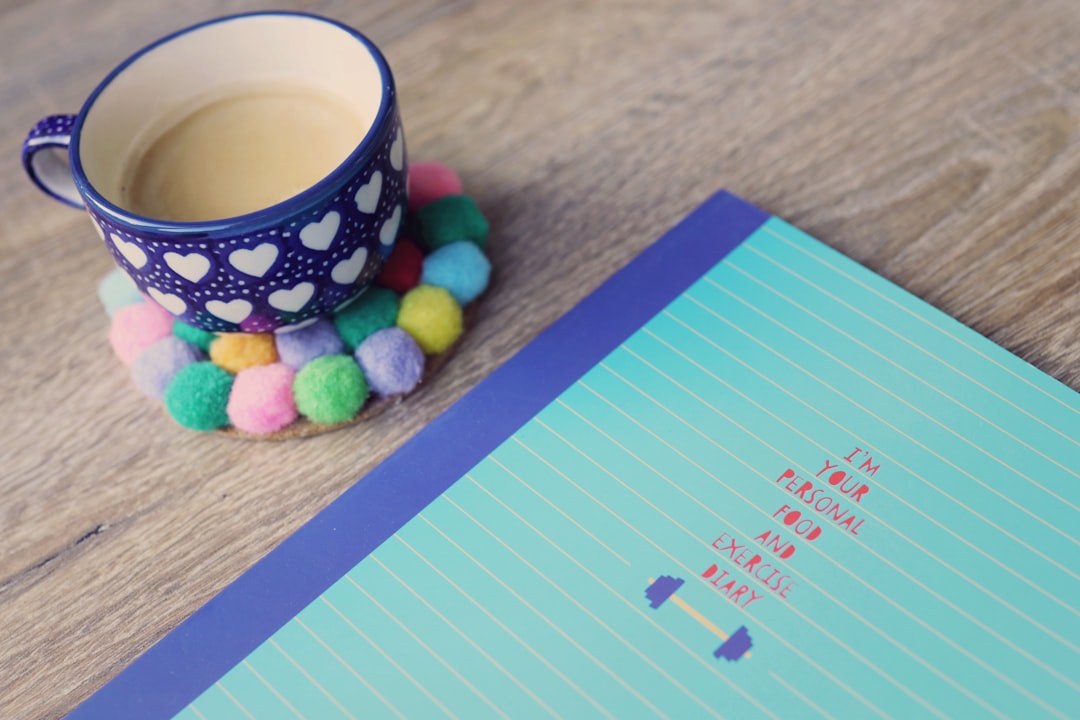
Recovery and motivation are as much mental as physical. This definitive guide explains how artistic practices—sketching, textiles, music curation, ritualized making and creative community—can be used as evidence-informed tools to accelerate fitness recovery, sharpen motivation techniques, and strengthen long-term mental fitness. If you're a busy athlete, exerciser, or coach who wants practical, repeatable strategies, you'll find step-by-step plans, a comparison table, real-case examples and tools to adopt today.
Why the Art World Matters to Recovery
Mindset: creativity trains psychological flexibility
Artists routinely practice psychological flexibility—shifting perspective, tolerating ambiguity, and iterating work—skills that are central to resilience. For athletes, mental flexibility reduces fear of re-injury and improves adherence to rehab plans. Sports psychology studies align with this: deliberate reframing and creative problem solving boost outcomes in training and return-to-play. See how quarterbacks negotiate setbacks in our piece on Quarterback Comebacks: The Importance of Mental Resilience for parallels between elite sport and creative recovery.
Evidence: art activates parasympathetic recovery pathways
Engaging in low-arousal creative acts—drawing, tactile crafts, or listening to a curated playlist—has measurable effects on heart rate variability and perceived stress. Creative tasks act like behavioral cool-downs: they downregulate sympathetic drive and prime tissues for repair. For an accessible primer on modalities that influence the nervous system during recovery, check our breakdown of Understanding the Benefits and Risks of Different Massage Modalities.
Practical payoff: better adherence and reduced time off
When rehab includes meaningful, enjoyable elements workers actually do, adherence improves. Recovery programs that fold in artist-level concentration and flow can shorten subjective recovery time and maintain motivation between sessions. This is similar to how creative professionals maintain momentum; learn lessons from creators in Independent Cinema and You: Lessons from Sundance for Aspiring Streamers on sustaining creative practice under pressure.
Core Artistic Practices That Enhance Recovery
Sketching and slow drawing for body awareness
Sketching forces focused observation. A 10–15 minute daily sketch of the injured joint or movement pattern (drawn while watching a slow-motion video of your set) trains proprioception and attentional control. Artists use the same observational drills to master detail; you can adapt those drills to track progress and spot compensation patterns. If you need ideas to set up a compact creative station, see tips on Making the Most of Your Small Space: Innovative Storage Solutions.
Textile work and tactile meditations
Knitting, weaving or handling textured prints engages fine motor control and sensory mapping—useful after immobilization. The benefits of applied craft meet technology in surprising ways; read how craft and innovation blend in Artisan Meets Tech: Bridging Craft and Innovation in Daily Use. For inspiration on texture-focused processes, explore The Intersection of Art and Craft: Exploring Textured Prints.
Music curation and rhythm for pacing
Artists and composers shape rhythm to alter emotional arcs. Use personalized playlists as micro-interventions: tempo-matched tracks for pacing mobility drills, and low-tempo ambient music for cool-downs. Our guide on Personalized Playlists: A Creative Tool for Content Inspiration has practical tips to craft playlists that maintain focus. For advanced musical strategies, the role of AI in music design is covered in The Next Wave of Creative Experience Design: AI in Music.
Mindfulness Methods Borrowed from Artists
Ritualized making: structured micro-practices
Artists repeat small rituals before creating—preparing tools, stretching, setting lighting. Athletes can mirror this: pre-therapy rituals signal the brain that it's time to engage the recovery network. A simple ritual might be 2 minutes of breathwork, 5 minutes of mobility, and 10 minutes of drawing. Anchoring recovery in ritual increases the probability it happens consistently.
Process over product: embracing imperfect progress
Artists emphasize process; rehab must do the same. Weight-based metrics are important, but days of small wins—10 more degrees of dorsiflexion, a pain-free step—compound into major returns. For an exploration of motivation arcs and celebrity impacts on personal drive, see Overcoming the Nadir: Celebrity Endorsements and Their Impact on Personal Motivation.
Attention-focusing exercises used in studios
Try the artist's minute: choose one sensory element (line, texture, or sound) and focus for 60 seconds. Use it during rest intervals in therapy to keep your mind engaged and avoid catastrophizing. This kind of micro-mindfulness also improves retention of technique in skill re-learning.
Creative Mobility: Exercises That Double as Art Practice
Mobility sketches (dynamic drawing for movement)
Combine slow movement with drawing: stand or sit and perform slow, controlled joint movements while making corresponding lines on paper—think of tracing the hip's arc with your pen. This couples kinesthetic feedback with visual output and forces deliberate range-of-motion exploration. For program ideas that shake up routine, check Countdown to the T20 World Cup: Shake Up Your Fitness Routine.
Rhythmic mobilizations with music cues
Use tempo to guide sets: 60–80 bpm for controlled eccentric work, 90–110 bpm for dynamic activation. Combining music cues with mobility improves timing and reduces perceived exertion. For ways music technology is changing creative experiences, see The AI Guide to Conscious Partying: Mindful Music Selections.
Creative isometric holds: painting pauses
Hold a posture and imagine painting a large canvas with that position—this makes isometrics mentally engaging and helps override boredom. Isometric strategies are low-cost, high-return tools for early-stage strength rebuilding.
Motivation Techniques from Artistic Practice
Visual journaling for progress and identity
Maintain a visual recovery journal: photos, sketches, short voice memos, and micro-goals. Visual records reinforce identity as an active participant in recovery. Creativity creates ownership—community builders use similar tactics; see community engagement lessons in Empowering Community Ownership: Engaging Your Neighborhood in Your Launch.
Story arcs: reframing rehab as a narrative
Artists tell stories with arcs—setup, conflict, transformation. Reframe rehab as a compelling personal narrative: small daily beats that build toward a triumphant return. This narrative technique mirrors strategies used in content creation—learn more in Leveraging Journalism Insights to Grow Your Creator Audience.
Community critique and accountability
Artists thrive on critique and community feedback. Create a tiny accountability circle: one training partner, one rehab clinician, and one creative peer. Building trust in public forums and events teaches how communities support individuals; see lessons from event responses in Building Trust in Live Events: What We Can Learn from Community Responses.
Practical 4-Week "Artful Recovery" Program
Week 1: Sensory mapping and low-load activation
Goals: decrease fear, rebuild proprioception, and create ritual. Daily: 10 minutes of sketching movement, 10 minutes of tactile craft, 10 minutes of mobility. Add 15 minutes of guided relaxation with a diffuser or calming scent to lower arousal; explore options in Tech Meets Aromatherapy: Smart Diffusers That Change the Game.
Week 2: Incremental load and rhythmic practice
Goals: add gentle resistance, begin tempo-cued sets. Use playlists to cue tempo changes and progress mobility sketches into dynamic drawing (draw the movement path while moving). For playlist strategies, refer back to Personalized Playlists.
Week 3–4: Strength building and creative challenges
Goals: functional strength, sustained motivation. Integrate 2 weekly creative challenges (a short short story about the rehab journey, a 1-minute film, or textile piece). Creative goals maintain novelty and reward. For examples of athletes translating pressure into creative output, read From Court Pressure to Creative Flow: How Athletes Inspire Writers.
Safety, Evidence, and When to Involve Clinicians
Red flags and clinician collaboration
Creative practices complement but do not replace medical rehab. New or worsening neurological signs, sharp increasing pain, or swelling require clinician review. Integrate creative elements under guidance—coordinate with physiotherapists and sports med teams to ensure exercises match tissue stage. For emotional and social aspects of injury, our human-centered look at setbacks can help: Injury Timeout: Dealing with Love’s Setbacks and Finding Strength.
Evidence hierarchy: what is proven vs promising
Randomized trials on art therapy for physical rehab are emerging; most evidence currently supports reduction in anxiety and improved quality of life. Use artistic practices principally to improve adherence, reduce stress, and sharpen attention—mechanisms with strong theoretical backing. For massage and manual therapies as adjuncts, consult Understanding the Benefits and Risks of Different Massage Modalities.
Measuring outcomes: subjective and objective metrics
Track both objective (range of motion, strength tests, time to milestones) and subjective (pain scales, motivation rating, sleep quality). Visual journaling serves as qualitative data and is particularly powerful when combined with weekly objective tests.
Tools, Space, and Tech to Support Creative Recovery
Low-cost materials that deliver high value
Start with a small supply kit: sketchbook, soft pencils, chunky yarn, a small speaker and a diffuser. If you work in small spaces, maximize multifunctional storage and work surfaces as outlined in Making the Most of Your Small Space. For combining craft with tech, see Artisan Meets Tech.
Playlist curation and music tech
Curate movement playlists by BPM and emotional arc. AI tools can generate mood-specific mixes for warm-ups, work sets, and cool-downs; examples live in AI in Music and playlist practice in Personalized Playlists.
Aromatherapy, lighting, and ambience
Ambient cues anchor ritual. Smart diffusers and dynamic lighting designed for mood shift can prime the nervous system; discover product ideas in Tech Meets Aromatherapy. Use scent carefully if you have allergies.
Pro Tip: Combine a 5-minute sketch, a 3-track tempo-matched mini-playlist, and a scented cue (like citrus for activation, lavender for cool-down). This triad anchors body, brain, and habits—turning short daily rituals into durable recovery behavior.
Comparison: Creative Techniques vs Traditional Recovery Tools
Use this quick comparison to decide which creative tools map best to your rehab goals.
| Artistic Technique | Mental Benefit | Physical Recovery Application | Time/Cost | Evidence/Notes |
|---|---|---|---|---|
| Sketching / Visual Journaling | Improved focus, visual feedback | Proprioception, movement awareness | Low time, minimal cost | Promising; strong anecdotal support |
| Textile/Tactile Craft | Soothing, sensory remapping | Fine motor recovery, desensitization | Low-medium cost (materials) | Mechanistic rationale; growing use |
| Music & Tempo Playlists | Motivation, pacing, mood regulation | Movement tempo control, endurance | Low cost; time to curate | Good evidence for pacing and exertion |
| Aromatherapy & Ambience | Reduces anxiety, primes ritual | Supports relaxation phases | Low-medium cost (diffusers) | Mixed evidence; useful adjunct |
| Structured Creative Challenges | Long-term engagement, identity | Behavioral adherence to rehab | Low time; scalable | Behavioral evidence supports adherence |
Case Studies & Real-World Examples
Athlete turned storyteller
A semi-pro footballer combined visual journaling and short-form filmmaking during ACL rehab. The narrative reframing kept rehab interesting and produced measurable increases in session attendance. Similar creative transitions from pressure to output are documented in From Court Pressure to Creative Flow.
Community-driven recovery
A community program paired weekly craft circles with basic mobility classes; social accountability increased adherence and perceived wellbeing. Lessons on harnessing community for success mirror themes in Building Trust in Live Events.
High-performance mindset adaptation
Elite athletes who use narrative and creative rehearsal show faster psychological readiness. Insights into mental resilience in high-pressure returns are available in Quarterback Comebacks.
Implementation Checklist and Weekly Planner
Daily must-dos (10–30 minutes)
1) 5–10 minutes sketching or visual journaling; 2) 10 minutes mobility with tempo-matched music; 3) 5 minutes breathing or scent cue. Small, consistent inputs beat sporadic overtraining.
Weekly must-dos
Two creative challenges (text, image, or sound), one progress log with objective measures, one community check-in. For research-backed techniques on dealing with setbacks and cravings—useful when motivation wanes—see Hurdles: Overcoming Injuries and Smoking Cravings.
When to scale up or pause
Scale up when pain stays stable and objective measures improve. Pause creative-movement hybrids if pain increases or a clinician advises rest. For mental strategies to navigate slumps, review Overcoming the Nadir.
FAQ — Frequently Asked Questions
Q1: Can art therapy replace physiotherapy?
A1: No. Art-based methods are adjunctive—valuable for motivation, stress reduction and proprioceptive retraining—but should be used alongside evidence-based physical therapy. Coordination with clinicians is essential.
Q2: How long before I see benefits from creative recovery practices?
A2: Psychological benefits (reduced anxiety, improved mood) can appear within days. Objective physical changes typically take weeks; consistent daily practice accelerates measurable progress.
Q3: Are there risks to combining art and movement in rehab?
A3: Minimal if exercises are appropriately dosed. The main risk is overconfidence—don’t exceed recommended ranges or ignore clinician warnings.
Q4: What if I’m not creative?
A4: Creativity is a skill, not a trait. Simple structured tasks—copying lines, following a tempo—are sufficient. The goal is engagement, not product quality.
Q5: How do I maintain long-term motivation?
A5: Use narrative arcs, community accountability, and periodic creative projects. If motivation dips, short-term challenges and shifts in medium (e.g., swap sketching for music curation) help reenergize practice.
Final Thoughts: Integrating an Artist’s Mind into Athletic Recovery
Artistic techniques offer a toolbox for the psychosocial side of recovery: improved focus, reduced anxiety, and higher adherence. They don't replace technical rehab but act as powerful multipliers when combined with evidence-based exercise and clinician oversight. If you want program inspiration or practical product suggestions—craft stations, diffusers, or audio tools—explore how creative spaces and tech converge in Artisan Meets Tech and how ambient devices enhance mood in Tech Meets Aromatherapy.
Finally, remember that recovery is also a cultural practice: artists meet in communities, critique, and celebrate process. You can borrow those structures—small studios, peer critique, and public milestones—to support long-term fitness outcomes. For practical ideas on translating creative communities into local offerings, read Curating Neighborhood Experiences for guides on turning spaces into shared practice hubs.
Related Reading
- Local Route Guides: Planning the Perfect Scenic Drive - Short trips and scenic routes to pair with outdoor recovery walks.
- Curating Neighborhood Experiences: Transforming Listings into Lifestyle Guides - How to build local communities and shared creative spaces.
- Activism Through the Quran: A Guide to Advocacy for Social Issues - Perspectives on cultural engagement and community healing.
- A Study in Flavors: Brighton’s Pizza Scene - Local culture and routine—ideas for social rewards post-rehab.
- Ultimate Futsal Guide: Discovering the Fast-Paced Sport - Conditioning and return-to-play ideas for court athletes.