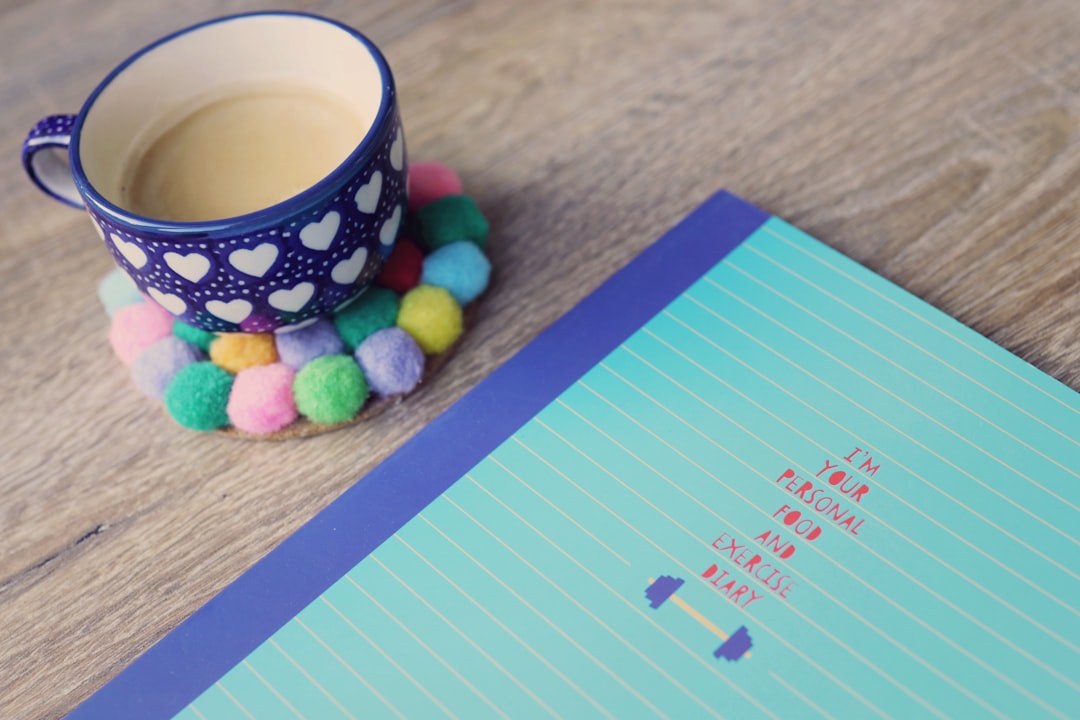
In today’s hectic world, finding time to hit the gym can be a challenge. Luckily, accomplishing fitness goals does not require fancy equipment or a large space. This minimalist guide to fitness explores streamlined, effective workout routines that you can easily do at home with minimal equipment or none at all. Whether your goal is to build strength, lose fat, improve mobility, or simply stay consistent, this definitive guide will boost your confidence, motivation, and results.
1. The Benefits of Working Out at Home
1.1 Convenience and Flexibility
At-home fitness eliminates commute times, gym crowds, and limited class schedules. You can exercise anytime that fits your calendar—from quick morning sessions to late-night stress relief. This flexibility helps sustain consistency, a key factor in long-term fitness success.
1.2 Cost Savings and Minimal Space Needs
Gym memberships and premium equipment add up. By focusing on bodyweight exercises and essential minimal gear like resistance bands or dumbbells, you save money and preserve space. This is perfect for apartment dwellers or busy professionals optimizing their home environment. For actionable gear tips for confined spaces, see our small-space home gym guide.
1.3 Reduced Injury Risk Through Controlled Environment
Exercising in your own space enables you to control flooring, lighting, and distractions, reducing the chance of accidents. Plus, you have time to focus deeply on proper technique with plenty of resources providing clear video demonstrations and form correction advice—for instance, our tutorials on injury prevention and exercise form coaching.
2. Key Principles of Effective Minimalist Workouts
2.1 Prioritize Functional Movements
Functional training emphasizes exercises that mimic real-life movements, improving strength, mobility, and coordination. Movements like squats, lunges, push-ups, and planks engage multiple muscle groups to build balanced fitness with minimal equipment.
2.2 Use Compound Exercises
Compound exercises work several muscle groups at once, maximizing workout efficiency. For example, a push-up targets the chest, shoulders, and triceps simultaneously. This efficiency aligns with busy lifestyles seeking time-effective fitness routines.
2.3 Incorporate Progressive Overload
Progressive overload—gradually increasing exercise difficulty—is essential to continuous progress. At home, you might add repetitions, slow down movement tempo, increase time under tension, or add resistance bands for extra challenge.
3. Essential Bodyweight Exercises for At-Home Fitness
3.1 Upper Body Strength
Push-ups and variations (incline, decline, diamond) develop the chest, shoulders, and triceps. Triceps dips using a sturdy chair add arm focus. For detailed progressions, explore our comprehensive upper body workout series.
3.2 Lower Body Power
Squats, lunges, glute bridges, and step-ups use body weight for strength and endurance. To target balance and mobility, single-leg variations are highly effective. The Winter Wellness guide offers creative ideas to keep lower body work engaging and fun.
3.3 Core Stability
Planks, bird-dogs, mountain climbers, and dead bugs strengthen the core muscles vital for posture and functional movements. Combining stability with dynamic movement ensures durability and injury prevention in everyday activities.
4. Minimal Equipment to Enhance Your Home Workouts
4.1 Resistance Bands
Inexpensive and versatile, bands add progressive resistance to push-ups, squats, and rows. They’re lightweight, portable, and perfect for small spaces. Check out our minimal equipment setup guide for storage and routine ideas.
4.2 Dumbbells or Kettlebells
A pair of adjustable dumbbells or a kettlebell provide weighted options for strength training. Even a single kettlebell allows versatile functional exercises like swings and goblet squats, effectively addressing all fitness components.
4.3 Stability Tools
Tools like a Swiss ball or balance board engage core and stabilizer muscles, deepening your training complexity without bulky machines. Read more about enhancing functional training at home with balance challenges.
5. Structuring Quick At-Home Workouts for Busy Schedules
5.1 High-Intensity Interval Training (HIIT)
HIIT combines short bursts of effort with recovery periods, delivering cardiovascular and strength benefits in as little as 15-20 minutes. Bodyweight exercises such as jumping jacks, burpees, and push-ups form ideal HIIT circuits.
5.2 Circuit Training
Performing a sequence of different exercises with minimal rest blends aerobic and muscular endurance effectively. Circuits may rotate through upper body, lower body, and core moves repeatedly, maximizing calorie burn and strength.
5.3 Stretching and Mobility Integration
Including mobility drills and dynamic stretches before or after workouts aids recovery and injury prevention. The Winter Wellness guide also highlights mobility flows suitable for limited space.
6. Sample Minimalist Workout Routines
Here’s a practical example of a no-equipment, full-body workout you can complete in 20–30 minutes:
>| Exercise | Duration/Reps | Muscle Focus |
|---|---|---|
| Jumping Jacks | 45 seconds | Cardio/Warm-up |
| Push-ups | 3 sets of 12 | Chest, Shoulders, Triceps |
| Bodyweight Squats | 3 sets of 15 | Quadriceps, Glutes |
| Plank | 3 sets of 30 seconds | Core |
| Lunges (Alternating legs) | 3 sets of 12 per leg | Glutes, Hamstrings, Quadriceps |
See our full bodyweight exercise tutorial library for progressions and technique videos to avoid injury and boost results.
7. Overcoming Common At-Home Workout Challenges
7.1 Staying Motivated Without a Gym Environment
Set clear, realistic goals and track progress in a journal or app. Creating a dedicated workout zone—even a small corner with a mat—helps condition your mind to exercise. Virtual classes or challenges can add accountability and social interaction.
7.2 Managing Limited Space and Privacy
Opt for space-saving moves like floor exercises and limit sprawling movements. Use compact equipment like bands that can be stored easily. For tips on organizing your minimal home gym space, visit our small space home gym guide.
7.3 Ensuring Proper Form and Safety
Use mirrors or record yourself to monitor exercise technique. Access expert tutorials online, and progress gradually to prevent overuse or injury—a common issue highlighted in injury impact studies. Focus on quality over quantity, and incorporate recovery days.
8. Tracking Progress and Adjusting Your Workout Plan
8.1 Use of Fitness Apps and Journals
Logging workouts helps visualize improvements in strength, endurance, and consistency. Apps with video demos provide added support for form correction and variation ideas.
8.2 Periodic Reassessment of Goals
Every 4–6 weeks, evaluate your fitness progress and tweak your routine to match evolving needs. This strategy aligns with maintaining motivation and ensuring progressive overload.
8.3 Incorporating New Challenges
To prevent plateaus, introduce advanced variations or resisted movements. For instance, transitioning from standard push-ups to one-arm push-ups or adding resistance bands can provide necessary stimulus.
9. Nutrition and Recovery to Support At-Home Fitness
9.1 Balanced Nutrition for Energy and Repair
Consuming adequate protein, healthy fats, and carbohydrates fuels workouts and recovery. For streamlined meal planning ideas supportive of fitness goals, see our insights on meal planning.
9.2 Importance of Sleep and Rest Days
Recovery is critical to avoid burnout and injuries. Scheduling rest days and prioritizing 7-9 hours of quality sleep optimize muscle repair and energy levels.
9.3 Hydration and Mindfulness Practices
Proper hydration supports metabolic and cognitive function. Incorporating mindfulness through gentle stretching or meditation sessions can complement physical training and improve adherence.
10. Frequently Asked Questions
What is the best minimal equipment for beginners?
Resistance bands and a yoga mat are excellent starter tools. They’re affordable, portable, and versatile, making them ideal for diverse workouts.
How can I stay motivated to exercise at home?
Set specific goals, schedule workouts like appointments, and consider virtual group classes or fitness challenges to create accountability.
Are bodyweight exercises enough to build muscle?
Yes. With proper progression and volume, bodyweight exercises effectively increase strength and muscle tone for most individuals.
How do I prevent injuries during at-home workouts?
Focus on correct form, start moderately, use expert video guidance (such as our injury prevention resources), and incorporate rest days.
Can I lose fat with no-equipment workouts?
Absolutely, especially when combined with a healthy diet. High-intensity bodyweight routines can effectively burn calories and improve metabolism.
Conclusion
Maximizing your at-home workouts with minimalist fitness routines offers an accessible, efficient, and sustainable path to health and strength. By embracing functional, progressive bodyweight exercises and supplementing with minimal equipment where desired, you can transcend the challenges of time and space. Remember to design your workouts thoughtfully, maintain consistency, prioritize safety, and support your efforts with good nutrition and recovery.
For those ready to deepen their knowledge of safe, effective exercise and progressive plans tailored for every level, explore our extensive library of guides and tutorials like injury prevention insights, small-space home gym advice, and meal planning strategies. Start your fitness journey confidently from anywhere today!
Related Reading
- The Impact of Injuries: Athletes Who Shook the Sports World – Understand injury prevention for athlete longevity.
- Small-Space Home Gym: Storage, Cleaning, and Gear Choices for Apartments – Optimize fitness gear and space at home.
- Streamlining Your Meal Planning: Lessons from AI Innovations – Practical tips for nutritious eating to support workouts.
- Winter Wellness: 5 Fun Ways to Stay Active in Piccadilly – Mobility and fitness tips for limited spaces.
- Formatting for Effective Exercise Video Demos – Learn the best approaches to coach exercise form at home.