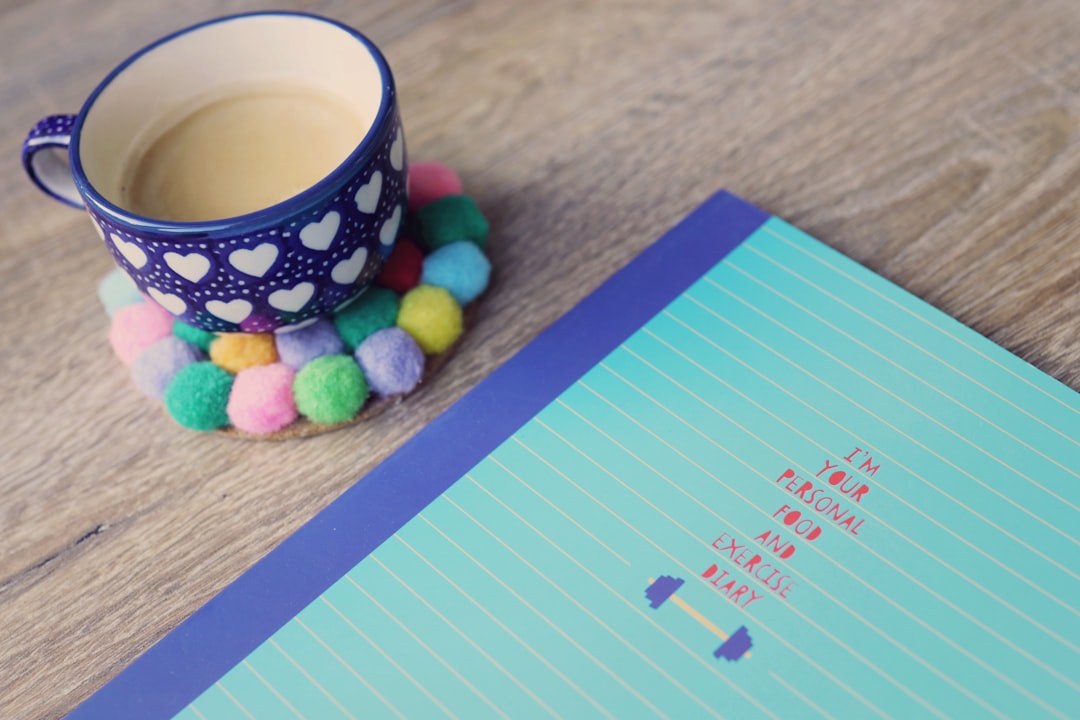
If you want a beginner workout plan that actually survives real life, the goal is not perfection — it’s consistency. A sustainable home fitness program should fit your schedule, your space, your energy, and your current fitness level, while still creating enough challenge to improve. The best plans use simple workout routines, a few reliable exercises, and a clear way to progress without burning out. If you’re looking for a practical starting point, our guide on staying consistent with a long-term plan explains why steady repetition beats constant reinvention.
In this guide, you’ll learn how to set goals, build habits, choose effective bodyweight exercises, apply a basic progressive overload plan, and follow a sample 12-week block you can run at home with minimal equipment. You’ll also learn how to adjust the plan as you get stronger so you don’t plateau. For readers who like to structure improvement step by step, the principles behind sequencing practice for better learning map surprisingly well to fitness: the order of your workouts matters almost as much as the exercises themselves.
Pro Tip: A sustainable home program should feel “easy to start” and “hard enough to matter.” If starting is frictionless, you’re more likely to repeat it; if progress is built in, you’ll keep adapting.
1. Start with the Right Goal: What Are You Actually Training For?
Pick one primary outcome for the next 12 weeks
Most beginners fail because they try to chase everything at once: fat loss, muscle gain, perfect mobility, and peak conditioning in the same week. A sustainable plan works better when you choose one primary goal and let everything else support it. For example, if your main goal is general fitness, your workouts might emphasize full-body strength, walking, and moderate conditioning. If your main goal is body recomposition, your plan should favor resistance-based bodyweight work and enough volume to stimulate adaptation.
To keep your goal realistic, make it outcome-based and behavior-based. “Lose 8 pounds” is an outcome; “complete three 20-minute workouts each week for 12 weeks” is a behavior. The best programs are built around behaviors because you can control them every day. This is the same reason that guides about time management in busy schedules work: consistency comes from designing the process, not just demanding the result.
Use the SMART framework, but keep it simple
You do not need a complicated goal-setting system. Write one primary goal, one secondary goal, and one “maintenance” habit. For instance: primary goal = complete a beginner workout plan three times per week; secondary goal = improve push-up and squat quality; maintenance habit = take a 10-minute walk daily. This keeps the plan focused while still supporting health and recovery. If you want a practical mindset for choosing targets, our article on self-directed improvement systems offers a useful framework: small, repeatable actions drive big changes.
The simplest rule is this: if you can’t imagine yourself doing it in a busy week, it’s too aggressive. The point of a home fitness program is to fit your actual life, not your idealized one. That means short workouts, few equipment demands, and a schedule you can preserve when energy dips. Think of this as building a “minimum viable routine” first, then expanding it as your capacity grows.
Track progress with leading indicators, not only bodyweight
Beginners often fixate on scale changes, but that can hide real progress. Better leading indicators include workout completion rate, reps performed with good form, how difficult the session feels, and recovery between sets. You can also measure how often you choose the stairs, how long you can hold a plank, or how many push-ups you can do from an incline. These are useful because they show adaptation before the mirror does.
For a broader view of consistency, treat your fitness like a system you maintain rather than a challenge you conquer. That idea overlaps with planning from articles like managing breaks without losing momentum: your plan should still function when life gets messy. If you miss a session, the goal is not to restart from zero — it’s to resume at the next available opportunity.
2. Build the Habit First: How to Make Home Workouts Stick
Choose a trigger, a time, and a tiny starting ritual
Habit formation is the difference between a plan on paper and a real home fitness program. Pick a trigger you already do every day, such as making coffee, finishing work, or dropping the kids off. Then attach your workout to that trigger. For example: “After I shut my laptop, I change into workout clothes and start my timer.” That tiny ritual reduces decision fatigue and makes the session easier to begin.
When a habit is new, the first goal is not intensity — it’s repetition. Research on behavior change consistently shows that environment and cues are powerful because they reduce the need for willpower. If you want a useful analogy from another field, the way repeatable content systems create momentum works much like fitness habits: the best results come from a reliable workflow, not one heroic burst.
Use the “two-minute launch” to reduce resistance
The biggest obstacle for beginners is usually getting started. A practical trick is to define a two-minute launch sequence: put on shoes, open your workout mat, and begin your first warm-up movement. Once you’ve started, continuing becomes much easier because inertia has already been broken. This is especially valuable for home training, where there’s no commute or facility entry ritual to create momentum for you.
If you’re short on time, remember that a 20 minute workout can still be effective when it is structured well. A short session with full-body movements, minimal rest, and intentional progression will outperform a random hour that never gets repeated. You can also pair these sessions with exercise videos if visual guidance helps you stay on track and maintain proper form.
Plan for bad weeks before they happen
Sustainable fitness isn’t about perfect weeks; it’s about resilient weeks. Pre-decide your fallback version for low-energy days: a 10-minute mobility flow, one set per exercise, or a brisk walk plus core work. When you have a fallback routine, you avoid the all-or-nothing trap that causes many beginners to quit after one missed session. This is also why a sustainable plan resembles stay-the-course strategy more than a temporary challenge.
A good rule is to keep your fallback session so easy that you can do it even on a rough day, while still being honest enough that it maintains identity and momentum. That identity matters: when you see yourself as “someone who trains at home,” the behavior becomes easier to defend against distractions. The routine becomes part of your life rather than an event you have to negotiate each week.
3. The Core Movement Menu: Simple Exercises That Cover Everything
Use patterns, not random exercises
Beginners don’t need 40 exercises. They need a few movement patterns that train the whole body: squat, hinge, push, pull, lunge, carry, rotate, and brace. At home, you can cover many of these with bodyweight exercises and a few cheap tools like a resistance band or backpack. The aim is not novelty; it’s repeatable exposure to movements that build strength, joint control, and work capacity.
A pattern-based approach also makes progression easier because you can compare similar exercises over time. For example, an incline push-up can later become a floor push-up, then a feet-elevated push-up. That is a clean progression path, and it mirrors the logic behind sequencing skills for better outcomes: start where success is likely, then increase difficulty gradually.
Beginner-friendly exercise options for each pattern
For squatting, start with chair squats, box squats, or tempo air squats. For hinging, use glute bridges, hip hinges with a backpack, or single-leg Romanian deadlift patterns holding onto a wall for balance. For pushing, use wall push-ups, incline push-ups, and knee push-ups before progressing to floor push-ups. For pulling, use towel rows, band rows, or backpack rows; beginners often neglect pulling because it’s harder to set up at home, but it matters for posture and shoulder health.
For lunging, split squats and reverse lunges are usually more forgiving than forward lunges. For core work, dead bugs, bird dogs, and side planks offer excellent stability training without excessive spinal strain. If you prefer visual coaching, combining these drills with home exercise videos can help you see pacing, range of motion, and setup details that written instructions can miss.
How much volume do beginners need?
At first, one to three sets per exercise is enough if the movements are challenging and performed with control. The reps should leave you with about two to four reps in reserve, meaning you could do a few more if you had to. That level is challenging enough to create a training signal while keeping fatigue manageable. In practical terms, most beginners do best with whole-body workouts three times per week.
Keep rest periods moderate, usually 45 to 90 seconds depending on the exercise and your conditioning. Longer rests are fine for harder sets, while shorter rests can make a 20 minute workout feel more athletic and time-efficient. The exact amount matters less than whether you can recover enough to keep form clean on the next set.
4. A Simple Progressive Overload Plan for Home Training
What progressive overload really means
Progressive overload simply means making the workout slightly harder over time so your body has a reason to adapt. Beginners often assume this means adding huge amounts of weight, but at home you can progress in many ways: more reps, more sets, slower tempo, better range of motion, shorter rest, or a harder variation. This is why a progressive overload plan is so effective with no equipment workout routines. You’re not limited by the absence of barbells if you know how to progress intelligently.
This approach is also safer for new trainees because it lets you build skill before chasing maximal effort. A sensible progression strategy is similar to how deal hunters look for incremental savings rather than one risky purchase: small advantages accumulate. Fitness works the same way; repeated tiny improvements compound into visible change.
Use one progression variable at a time
Trying to increase reps, sets, tempo, and difficulty all at once often causes stalls or soreness that is too disruptive. Instead, pick one main progression target per block. For example, weeks 1-4 might focus on adding reps, weeks 5-8 might introduce a harder variation, and weeks 9-12 might increase total sets. This simple method keeps the plan easy to follow and easier to recover from.
Here’s the key: if a movement becomes too easy for two workouts in a row, progress it. If form breaks down, regress it. Progression should be earned, not forced. A plan that respects your current ability is much more sustainable than one that tries to impress you with complexity.
Know when to regress
Regression is not failure; it is smart training management. If your knees cave in during squats, return to a box squat or reduce range of motion. If push-ups become sloppy, elevate your hands or reduce reps. If your lower back feels excessive strain during hinges, switch to glute bridges or shorten the movement arc. These adjustments preserve the training effect while protecting your joints and confidence.
A useful mindset here is borrowed from risk management in other industries: you want the plan to be robust under stress. The same practical thinking used in future-proof equipment choices applies to fitness programming. Build something that still works as your circumstances change.
5. Your First 12-Week Home Fitness Block
Program structure at a glance
This 12-week block is designed for a beginner who wants a structured but flexible home fitness program. You’ll train three days per week, with workouts lasting about 20 to 30 minutes. Each session uses a full-body format so every major muscle group gets frequent practice. The plan is simple enough to start immediately and structured enough to progress for three months without needing a total redesign.
Below is a sample schedule. You can swap exercises as needed, but keep the movement patterns consistent so progress is easy to measure.
| Phase | Weeks | Focus | Workout Frequency | Progression Method |
|---|---|---|---|---|
| Foundation | 1-4 | Technique, consistency, movement familiarity | 3x/week | Add reps within a range |
| Build | 5-8 | Volume increase and exercise confidence | 3x/week | Add a set or harder variation |
| Intensify | 9-12 | Efficiency, challenge, and measurable progress | 3x/week | Reduce rest or increase difficulty |
| Fallback | Any week | Low-energy maintenance | 1-2x/week | Use shortened circuit |
| Deload option | Week 4 or 8 | Recovery if fatigue rises | 2x/week | Cut volume by 30-40% |
Weeks 1-4: Learn the movements
During the first month, focus on skill and consistency. Your workouts might include chair squats, incline push-ups, glute bridges, towel rows, dead bugs, and reverse lunges. Perform two sets of 8-12 reps for most exercises, leaving several reps in reserve. The goal is to establish good positions, understand the pace, and reduce soreness that might sabotage adherence.
For a beginner, this phase is often the most important because it creates confidence. You’re proving that you can show up, complete the session, and recover well enough to come back. That repeatability matters more than how “hard” the workout feels.
Weeks 5-8: Add volume or difficulty
In the second phase, start making the work a bit more demanding. You can move from chair squats to slow air squats, from incline push-ups to lower-incline push-ups, or from two sets to three sets. Keep the structure recognizable so your brain doesn’t feel like it is learning a brand-new routine every week. Consistency in exercise selection makes it easier to track progress and maintain motivation.
This is a good time to test a longer warm-up, a slightly tighter rest interval, or a more challenging core variation. If you like guided movement, supplementing sessions with exercise videos can help refine the details. The right video demonstrations can save you from weeks of practicing a flawed pattern.
Weeks 9-12: Refine performance and reassess
The final phase is where the plan becomes more individualized. You may keep the same exercises but increase repetitions, reduce rest times, or move to a more difficult version. At this stage, you should notice clear improvements in control, stamina, and confidence. You may also find that some movements are ready for a reset while others can keep advancing.
At the end of week 12, reassess your goal, energy, and schedule. Decide whether to repeat the block, increase difficulty, or shift emphasis toward fat loss, strength, or mobility. A sustainable plan never ends; it evolves based on the results you’ve earned.
6. Sample Weekly Workouts You Can Repeat at Home
Workout A
Workout A should be simple and full-body: 1) squat pattern, 2) push pattern, 3) hinge pattern, 4) core pattern. One example is chair squats for 2-3 sets of 10, incline push-ups for 2-3 sets of 8, glute bridges for 2-3 sets of 12, and dead bugs for 2-3 sets of 6 per side. Move methodically and keep your form clean. If you finish with energy to spare, add a short finisher like marching in place or a brisk stair climb.
Workout B
Workout B can emphasize unilateral work and pulling: reverse lunges, towel rows or band rows, single-leg glute bridges, side planks, and a light conditioning finisher. These exercises help balance out the body and reduce the risk of overusing the same movement patterns. A home workout program becomes more sustainable when it includes enough variety to train the body comprehensively without feeling random.
Workout C
Workout C can be your density or conditioning day, designed to feel efficient. Use a circuit with squats, push-ups, rows, and core work for 15 to 20 minutes, cycling through the movements at a steady pace. This is where a 20 minute workout can shine because the format is compact, repeatable, and easy to schedule. If you need visual pacing cues or exercise demonstrations, pairing the day with instructional exercise videos can make the session more beginner-friendly.
7. How to Modify the Plan as You Get Fitter
Progress by changing leverage, range, or tempo
One of the best things about bodyweight training is that the same exercise can have many levels. You can make a movement easier by raising the hands, shortening the range, or slowing the pace; you can make it harder by lowering the support, deepening the range, or using a slower eccentric phase. This gives you a built-in progression ladder without needing a gym. It also makes the plan adaptable for different days and different energy levels.
When the body adapts, the exercise should evolve. If you can do 12 comfortable incline push-ups, move the hands lower. If air squats feel simple, pause at the bottom or use a backpack. This kind of progression keeps the program aligned with your current ability instead of your starting point.
When to add load
Once you’re consistently completing the plan and the bodyweight variations no longer feel challenging, add external load. A backpack filled with books, water bottles, or household items can significantly increase the stimulus for squats, hinges, and rows. The principle is the same as upgrading a tool only when the current one no longer fits the job: do not complicate the process before it earns the upgrade. That philosophy aligns well with practical guides such as budget-minded upgrade planning.
External load should increase gradually. Small increases are often enough because beginners respond quickly to training. The objective is not to find your limit every week, but to create enough challenge to keep adaptation moving while preserving form and recovery.
How to know if it’s time to change the split
If three full-body days start feeling too easy or your sessions are getting too long, consider a different structure. You might shift to upper/lower split days, add a fourth light conditioning day, or increase the exercise complexity within the same framework. But don’t change the split just because you’re bored; change it because the current structure no longer serves your goal. Boredom alone is not a programming flaw.
Think of it like maintaining a stable content strategy: if the foundation is working, you refine it instead of rebuilding from scratch. That same logic appears in retention-focused planning, and it works equally well in training.
8. Safety, Recovery, and the Common Mistakes Beginners Make
Warm up to improve movement quality
A proper warm-up does not need to be complicated. Begin with 3 to 5 minutes of light movement like marching, hip circles, arm swings, or easy squats. Then do a few rehearsal sets of your first exercise before working sets begin. This increases body temperature, gets the joints moving, and improves confidence under load.
Warm-ups are especially helpful for people who sit a lot or train first thing in the morning. Your body often needs a ramp before it can produce quality movement. A few minutes of prep can make the entire workout feel smoother and reduce the odds of discomfort.
Respect recovery so the routine lasts
You don’t grow stronger during the workout itself; you adapt after it. That means sleep, protein intake, hydration, and daily movement all matter. If you train hard but never recover, the plan stops being sustainable. Beginners often underestimate how much easier progress becomes when the basics are handled well.
A realistic target is to aim for enough recovery that your next session feels doable, not dreaded. That may mean walking on off-days, eating regular meals, and scaling back if soreness affects form. Sustainable fitness is built on repeatable stress, not constant strain.
Avoid the most common beginner traps
The biggest mistakes are doing too much too soon, changing plans weekly, skipping the warm-up, and comparing yourself to advanced trainees. Another trap is using soreness as the only sign of success. Soreness can happen, but it is not the goal and it does not reliably predict improvement. Better signs are improved movement quality, better stamina, and consistent completion.
If motivation fluctuates, remember that motivation is not the foundation of a habit — structure is. That’s why dependable systems outperform inspiration. The same principle is echoed in workflow optimization: when the environment and process are aligned, execution becomes much easier.
9. How to Stay Motivated Long-Term Without Burning Out
Use visible wins to keep momentum
Track a few indicators you can actually see: workout count, push-up variation, plank time, or the number of days you hit your steps. Visible progress is motivating because it proves the plan is working. It also helps during the phase when the mirror changes slowly but the body is already adapting. Many beginners quit too early because they only look for dramatic transformations.
One useful tactic is to keep a simple training log on your phone or notebook. After each session, record the exercises, reps, and one short note about how it felt. Over time, that log becomes evidence that you’re improving, even on weeks when subjective energy is low.
Refresh the routine without breaking it
Long-term adherence improves when you keep the core structure but rotate small details. You might change squat stance, swap incline push-ups for knee push-ups, or alternate core exercises every 4 to 6 weeks. This gives just enough novelty to prevent boredom while preserving the foundation that makes progress measurable. It’s the fitness version of keeping a proven framework while updating the execution.
For inspiration on how systems stay effective over time, the idea of maintaining a long-term base while adapting the surface details is similar to staying invested in a good process. In other words, you can change tactics without abandoning the plan.
Know when to push and when to back off
Not every week should feel like a test. If your sleep is poor, stress is high, or joints feel irritated, reduce volume and keep the pattern alive. This is one of the most important skills in any sustainable home fitness program because it prevents small issues from becoming full stoppages. Progress over months matters far more than “winning” any single workout.
Once you understand that fitness is cyclical, you can train more intelligently. Some weeks are for growth, some are for maintenance, and some are for recovery. That flexibility is what makes a plan sustainable enough to become a lifestyle.
10. Putting It All Together: Your Action Plan for the Next 7 Days
Day 1: Set your goal and choose your schedule
Write down your primary goal, your workout days, and your fallback routine. Pick a start time that fits your routine, then mark it in your calendar. Decide where you will train and what equipment, if any, you will use. The fewer decisions you leave for later, the more likely you are to begin.
Day 2: Prepare the space and exercise menu
Set up your workout area with a mat, chair, towel, resistance band, or backpack if needed. Choose your four or five core exercises and keep them consistent for the first block. If you want visuals, queue up a few exercise videos that demonstrate form clearly. Preparation lowers friction and increases follow-through.
Day 3 onward: Execute, log, and adjust
Start with the first workout and keep it intentionally manageable. Log what you did, note how hard it felt, and repeat the session later in the week. At the end of seven days, review what worked and what felt difficult. Then make one small adjustment only — not a full rebuild. That measured approach is what turns a beginner workout plan into a true home fitness program.
If you want a program that lasts, build it like a system rather than a sprint. Use simple exercises, clear progression, honest recovery, and just enough structure to remove guesswork. That combination gives beginners the best chance to stay consistent, get stronger, and keep training at home for the long haul.
Key Takeaway: The best home fitness program is the one you can repeat on good weeks, bad weeks, and everything in between. Simplicity is not a compromise — it’s a strategy.
Frequently Asked Questions
How many days per week should a beginner train at home?
Most beginners do best with three full-body sessions per week. That frequency gives you enough practice to improve while leaving room for recovery and real-life disruptions. If three days feels like too much at first, start with two and build up.
Can I get results with no equipment?
Yes. A no equipment workout can build strength, improve conditioning, and support fat loss, especially for beginners. The key is to use progressive overload through reps, tempo, leverage, or range of motion. Eventually, adding a backpack or band can expand your options.
What’s the best workout length for beginners?
A 20- to 30-minute session is often ideal because it is easier to repeat consistently. A 20 minute workout can be very effective if it includes full-body movement, sensible rest, and clear progression. The best workout length is the one you can actually sustain.
How do I know if I’m progressing?
Look for more reps with the same form, easier recovery, better control, or the ability to move to a harder variation. Progress is not always dramatic. In beginner training, small improvements often show up first in confidence and consistency before they show up in appearance.
What if I miss workouts or fall off the plan?
That’s normal. Don’t restart the whole program; simply resume with the next scheduled session or your fallback version. Sustainable fitness depends on recovery from interruptions, not perfection. The goal is to return quickly and keep the long-term trend moving forward.
Should I follow exercise videos or written plans?
Both can help. Written plans are excellent for tracking sets, reps, and progression, while exercise videos are useful for learning technique and pacing. Many beginners do best by combining a structured written plan with a few trusted video demonstrations.
Related Reading
- Don’t Miss the Best Days: Using Buffett’s ‘Stay Put’ Lesson to Plan Evergreen Content - A useful lens for sticking with long-term plans when motivation dips.
- The Science of Sequencing: How Personalized Problem Ordering Boosts Learning Gains - Learn why exercise order can improve results and retention.
- Streamlining Your Day: Techniques for Time Management in Leadership - Practical scheduling ideas that translate well to workout consistency.
- Managing Breaks Without Losing Followers: Content Formats That Keep Your Channel Alive - A smart framework for staying engaged even when you need a reset.
- Stretch Your Upgrade Budget: How to Lock in RAM and Storage Deals When Prices Climb - A helpful analogy for when and how to upgrade your home training tools.